
15 Best Things to Do in Meknes, Morocco (2026 Travel Guide)
Discover the best things to do in Meknes, Morocco, including Bab Mansour, the historic medina, royal granaries, nearby Volubilis, and practical travel advice.
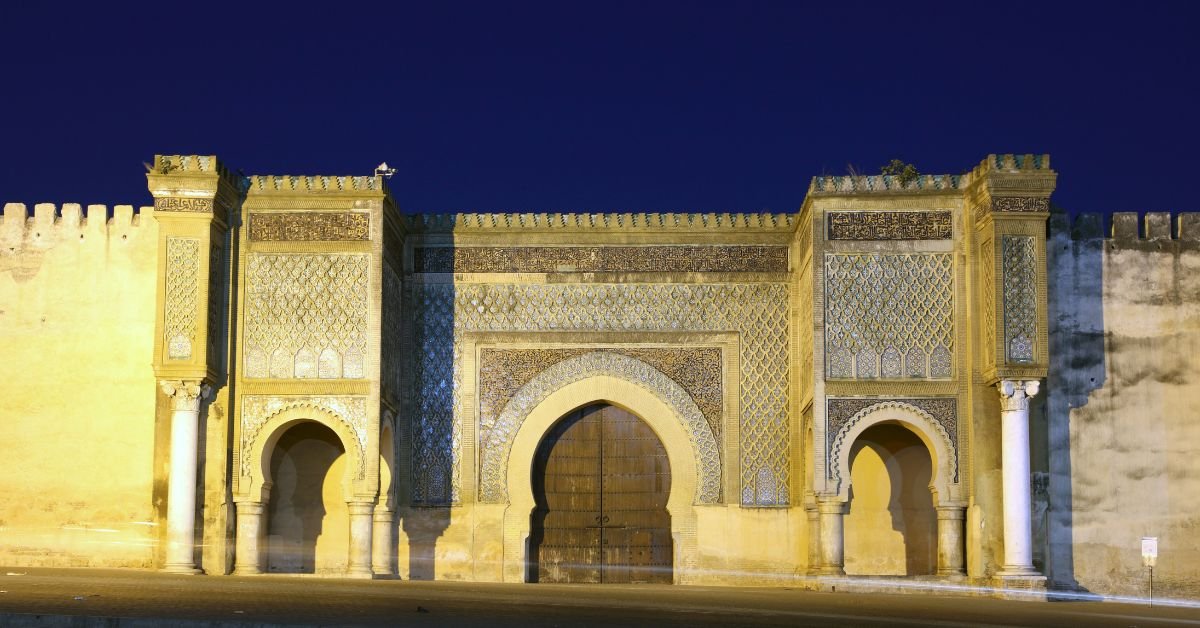
Imagine walking through magnificent ancient gates decorated with colorful mosaics, discovering peaceful courtyards hidden behind historic walls, and exploring traditional markets filled with the aromas of spices and freshly baked bread. As the afternoon sunlight illuminates the city’s ochre-colored architecture, you begin to understand why Meknes remains one of Morocco’s most fascinating historical destinations.
Located in northern Morocco, Meknes is an imperial city where centuries of history, remarkable architecture, and traditional Moroccan culture come together. Often overshadowed by Marrakech and Fes, this beautiful city offers an opportunity to discover the country’s royal heritage at a more relaxed pace.
If you are searching for the best travel destinations for your next adventure, Meknes deserves a place on your list. You can admire the monumental Bab Mansour gate, explore the former royal complex of Sultan Moulay Ismail, wander through the historic medina, and discover extraordinary Roman ruins just outside the city.
Whether you love history, architecture, traditional food, or cultural adventures, this guide will help you discover the best things to do in Meknes, the most beautiful places to visit, the ideal time to travel, and practical tips for planning an unforgettable trip.
Meknes pairs naturally with nearby Fes and the Roman site of Volubilis. For broader planning, see our Morocco travel guide for first-time visitors.
Why Meknes Is One of the Best Travel Destinations
Meknes is one of Morocco’s four historic imperial cities and a destination rich in cultural and architectural heritage.
Founded by the Almoravids in the 11th century, Meknes became the capital under Sultan Moulay Ismail, who ruled from 1672 to 1727. During his reign, the city developed monumental gates, extensive defensive walls, palaces, and large royal complexes that reflected its importance as an imperial capital.
The Historic City of Meknes was added to the UNESCO World Heritage List in 1996. Its architecture demonstrates a distinctive combination of Islamic and European influences from the 17th-century Maghreb. Explore the official UNESCO heritage listing.
Here are some reasons to visit Meknes:
- Bab Mansour and the monumental gates of the imperial city
- The historic medina and its traditional markets
- Heri es-Souani and the royal granaries
- Mausoleum of Moulay Ismail and the city’s imperial heritage
- Nearby Volubilis for a wider look at Morocco’s history
Meknes is particularly appealing if you want to experience Morocco’s history and traditional architecture while discovering a city that can feel less hectic than some of the country’s busiest tourist destinations.
15 Best Things to Do in Meknes, Morocco
1. Admire the Magnificent Bab Mansour Gate
Bab Mansour is one of Meknes’s most recognizable landmarks and an essential stop for first-time visitors.
This monumental gate stands beside Place El Hedim and provides a striking entrance to the historic imperial area. Its impressive arch, decorative tilework, carved details, and monumental proportions make it one of the most remarkable examples of traditional Moroccan architecture.
Take time to appreciate the intricate patterns and craftsmanship that decorate the structure. The gate also makes an excellent subject for photography, especially when the warm afternoon light illuminates its detailed surfaces.
Because Bab Mansour is one of the city’s best-known landmarks, the surrounding square can become lively throughout the day.
Before visiting, check whether any restoration work or access restrictions affect the area.
Best for: Architecture enthusiasts, history lovers, photographers, and first-time visitors to Meknes.
2. Explore the Lively Place El Hedim
Place El Hedim is the historic square immediately in front of Bab Mansour.
The square offers an excellent introduction to the atmosphere of Meknes, combining historic architecture with everyday city life.
You can stroll around the open space, browse nearby shops, stop at a café, and watch residents and visitors moving between the square and the medina.
It is also a convenient starting point for exploring Bab Mansour, the historic markets, and other attractions nearby.
Visit at different times of day to experience the changing atmosphere. The square often becomes livelier in the afternoon and evening.
If you enjoy photography, take time to capture the contrast between the monumental gate and the activity of the surrounding streets.
3. Wander Through the Historic Medina of Meknes
The medina is the heart of traditional Meknes and one of the best places to discover its cultural character.
Its narrow streets contain traditional houses, small businesses, historic buildings, workshops, and markets selling everyday products and handmade crafts.
Walking through the medina allows you to experience a different pace of life while discovering architectural details that are easily missed from the main streets.
You may find colorful textiles, leather products, pottery, metalwork, and traditional Moroccan household items.
Rather than following a strict itinerary, take time to explore at a relaxed pace. A small café, a traditional bakery, or a hidden courtyard can become an unexpected highlight.
Wear comfortable shoes, keep your accommodation’s location saved on your phone, and consider hiring a knowledgeable local guide if you want to learn more about the city’s history.
4. Visit the Mausoleum of Sultan Moulay Ismail
The Mausoleum of Sultan Moulay Ismail is one of Meknes’s most important historical and religious landmarks.
Sultan Moulay Ismail played a major role in shaping the city’s identity during the late 17th and early 18th centuries. The mausoleum is associated with his legacy and provides an opportunity to appreciate traditional Moroccan decorative craftsmanship.
Its courtyards, intricate tilework, carved details, and carefully designed architectural elements offer a striking example of the artistic traditions associated with imperial Morocco.
When visiting, dress respectfully and follow any rules concerning photography, access, and behavior. Check current opening arrangements before making a special trip, as access to religious areas may be restricted.
For travelers interested in Moroccan history, the mausoleum helps bring the story of Meknes’s imperial period to life.
5. Discover Heri es-Souani: The Famous Royal Granaries and Stables
Heri es-Souani is one of Meknes’s most impressive historic complexes.
Traditionally associated with the royal granaries and stables of Sultan Moulay Ismail, the site is known for its enormous vaulted spaces, massive walls, and extensive architectural layout.
Walking through its surviving structures gives you a sense of the scale and ambition of the imperial city.
The complex is especially interesting for visitors who want to understand how royal infrastructure supported the administration and daily operations of an imperial capital.
Take time to admire the arches, corridors, and substantial masonry. The architecture also provides excellent opportunities for photography.
Because parts of the complex may be affected by preservation work or visitor restrictions, check current access arrangements before visiting.
6. Admire the Vast Agdal Basin
The Agdal Basin is a large historic reservoir associated with the water-management system of the royal city.
Its impressive size reflects the importance of water storage and supply in an environment where managing water resources was essential.
The basin was historically connected with the gardens and palace complex of Sultan Moulay Ismail.
Today, the surrounding area can offer a different perspective on Meknes’s imperial design, allowing visitors to appreciate the scale of the historic landscape beyond the city center.
It is particularly interesting for travelers who enjoy historical engineering and architecture.
Combine the visit with nearby royal-city attractions and check local access conditions before planning your route.
7. Discover the Traditional Bou Inania Madrasa
Bou Inania Madrasa is a notable historic religious and educational building in Meknes.
The madrasa is associated with traditional Moroccan architecture and provides an opportunity to appreciate the decorative details found in historic Islamic buildings.
Depending on access arrangements, visitors may be able to admire elements such as decorative tilework, carved plaster, wooden details, and traditional courtyard design.
The experience can be especially rewarding if you enjoy architecture and want to understand how historic learning institutions contributed to Moroccan religious and cultural life.
Check current opening hours and access rules before visiting, particularly if the building is undergoing maintenance.
When exploring religious or cultural sites, dress respectfully and follow local instructions.
8. Explore the Impressive Bab Berdaine Gate
Bab Berdaine is another historic gate worth discovering while exploring Meknes.
Located in the northern part of the historic city, the gate reflects the importance of monumental entrances in the defensive architecture of the imperial capital.
Its structure and surrounding walls offer opportunities to appreciate the city’s historic urban design beyond its most famous landmark.
Visiting Bab Berdaine can also introduce you to nearby streets and areas that receive less attention than Place El Hedim.
You can include it in a walking itinerary through the medina and surrounding historic districts.
As with other heritage structures, be mindful of local traffic and any restoration activity in the surrounding area.
9. Visit Bab El Khemis and Discover the Historic City Gates
Bab El Khemis is another historic entrance associated with Meknes’s extensive defensive walls.
The city’s monumental gates were essential features of its urban design, helping control access and connecting different areas of the historic city.
Exploring these gateways provides a wider understanding of Meknes’s imperial scale and architectural identity.
You can appreciate the difference between the gates, observe their decorative details, and explore the surrounding neighborhoods.
This is particularly interesting for travelers who enjoy urban history and want to see more than the city’s best-known monuments.
Consider including the gate as part of a broader walking or driving route around the historic walls.
10. Relax in the Peaceful Lahboul Gardens
If you want a break from historical sightseeing, Lahboul Gardens offer a greener setting in Meknes.
The gardens provide an opportunity to enjoy open spaces and a quieter atmosphere away from the busiest parts of the medina.
You can take a leisurely walk, sit in the shade, or enjoy a short break between visits to the city’s architectural landmarks.
Gardens can also provide a different perspective on the relationship between historic cities and their green spaces.
Conditions and facilities can vary, so check local information before visiting if you are planning a specific activity.
For families and travelers who prefer a balanced itinerary, a garden stop can be a pleasant addition to a day of sightseeing.
11. Discover Traditional Moroccan Crafts and Souks
Meknes has a long tradition of craftsmanship, and its markets offer a chance to discover handmade products and everyday local commerce.
As you explore the medina, you may encounter shops selling textiles, pottery, leather goods, metalwork, decorative objects, and traditional household products.
Browsing the souks is not only an opportunity to buy souvenirs but also a way to learn more about the materials and skills associated with Moroccan artisan traditions.
Ask questions about the products, compare quality and prices, and consider supporting local artisans when purchasing handmade items.
If you are interested in a particular craft, ask your accommodation host whether there are workshops or independent makers that welcome visitors.
Shopping can become a more rewarding part of your trip when you understand the story behind the items you discover.
12. Taste Delicious Moroccan Food in Meknes
Food is one of the most enjoyable ways to experience Meknes’s culture.
The city offers opportunities to discover traditional Moroccan dishes in local restaurants, cafés, and market areas.
During your visit, consider trying:
- Moroccan tagine prepared with seasonal ingredients
- Couscous and traditional vegetable dishes
- Pastilla or other savory pastries where available
- Grilled meats, fresh salads, and local bread
- Mint tea and Moroccan sweets
Explore different restaurants rather than choosing every meal in the busiest tourist areas.
If you want to experience local food culture more deeply, ask about regional specialties and consider visiting a traditional market before lunch.
13. Take a Day Trip to the Roman Ruins of Volubilis
Volubilis is one of the most important archaeological sites in Morocco and a rewarding excursion from Meknes.
The ancient city preserves remarkable Roman-era remains, including monumental arches, columns, historic streets, and mosaics.
Its ruins provide a fascinating glimpse into urban life in Roman North Africa and the historical connections between the region and the wider Mediterranean world.
Volubilis is recognized as a UNESCO World Heritage Site and is especially appealing to travelers interested in archaeology, history, and ancient architecture.
The site is largely outdoors, so bring water, comfortable walking shoes, and sun protection.
Allow enough time to explore rather than rushing from one monument to another. Combining Volubilis with Moulay Idriss Zerhoun can create a particularly rewarding day trip.
14. Discover the Hilltop Town of Moulay Idriss Zerhoun
Moulay Idriss Zerhoun is a distinctive hilltop town near Volubilis and Meknes.
The town is known for its spiritual significance, historic buildings, winding streets, and elevated position overlooking the surrounding countryside.
Its hillside setting creates beautiful views and a different atmosphere from the broad squares and monumental gates of Meknes.
You can walk through accessible streets, discover traditional architecture, and enjoy panoramic views over the surrounding landscape.
Because the town contains important religious sites, follow local customs and any access restrictions. Some sacred areas may not be open to all visitors.
For the best experience, allow time to explore respectfully rather than treating the town simply as a quick photography stop.
15. Enjoy a Scenic Day Trip Through the Meknes Countryside
The area around Meknes offers a different perspective on the region’s history and landscape.
Beyond the imperial monuments, the surrounding countryside includes agricultural land, vineyards, olive-growing areas, and settlements linked to the historic city.
A scenic drive can provide a relaxing contrast to a busy day exploring the medina.
Depending on your interests, you can combine rural viewpoints with visits to nearby historic destinations or local food producers.
Arrange transportation according to your itinerary and check opening arrangements before visiting private properties or agricultural businesses.
The countryside is particularly appealing to travelers who enjoy discovering the landscapes and local traditions that support life beyond a major city.
Best Time to Visit Meknes
Meknes has a climate with hot, dry summers and cooler, wetter periods during winter. Choosing the right season can make walking tours and outdoor sightseeing more comfortable.
Spring (March to May): Spring is often an attractive time to explore the medina, historic gates, gardens, and nearby archaeological sites.
Summer (June to August): Summer can be very hot, especially during the afternoon. Start sightseeing early, carry water, and take breaks in shaded areas.
Autumn (September to November): Autumn can offer pleasant conditions for exploring the historic city and taking day trips into the countryside.
Winter (December to February): Winter days can be suitable for sightseeing, although cooler temperatures and rain are possible. Bring a light jacket and check the forecast before planning outdoor activities.
For many travelers, spring and autumn provide a comfortable balance for exploring Meknes on foot.
How Many Days Do You Need in Meknes?
The ideal length of your stay depends on whether you want to explore the city alone or visit the surrounding region.
- 1 day: Visit Bab Mansour, the medina, and the main imperial landmarks
- 2 days: Add museums, gardens, and a relaxed food-focused afternoon
- 3 days: Include a day trip to Volubilis and explore more of the surrounding region
If you are visiting from Fes, Meknes can also be included in a wider northern Morocco itinerary. Allow enough time to enjoy the historic center instead of treating the city as simply a brief stop.
Practical Travel Tips for Visiting Meknes
A little preparation can make your journey more comfortable.
- Wear comfortable shoes for uneven streets and long walks
- Check current opening hours for museums and historic sites
- Dress respectfully when visiting religious or cultural sites
- Carry some cash for small purchases and local cafés
- Arrange transport in advance if visiting Volubilis
If you are planning an extensive sightseeing day, group attractions that are close together to reduce unnecessary travel.
Is Meknes Worth Visiting in 2026?
Meknes is absolutely worth considering if you want to discover Morocco’s imperial heritage and experience a city with a rich historical identity.
Its monumental gates, historic medina, royal buildings, and traditional markets offer a fascinating glimpse into the country’s past. The surrounding region adds even more variety, from the Roman ruins of Volubilis to the hillside town of Moulay Idriss Zerhoun.
Meknes can be particularly appealing if you prefer exploring historic places at a more relaxed pace rather than spending your entire trip in the busiest tourist centers.
It also works well as part of a broader itinerary through northern Morocco, allowing you to combine different cities and historical periods within one journey.
For travelers who appreciate architecture, archaeology, culture, and traditional cuisine, Meknes deserves a place on a Moroccan travel itinerary.
Frequently Asked Questions About Meknes
Is Meknes one of the best travel destinations in Morocco?
Meknes is an excellent choice for travelers interested in imperial history, traditional architecture, historic markets, and archaeological excursions. Its UNESCO-listed heritage makes it especially appealing to culture and history enthusiasts.
What is Meknes famous for?
Meknes is famous for Bab Mansour, Place El Hedim, the Mausoleum of Moulay Ismail, Heri es-Souani, its historic ramparts, and its UNESCO World Heritage status.
How many days should you spend in Meknes?
One to three days is a useful starting point. One day can cover the main city attractions, while additional time allows you to explore the royal complex and take excursions to Volubilis and Moulay Idriss Zerhoun.
Can you visit Volubilis from Meknes?
Yes. Volubilis is a popular day trip from Meknes. You can arrange transportation independently or join a guided excursion, and many visitors combine it with Moulay Idriss Zerhoun.
What is the best time to visit Meknes?
Spring and autumn are often comfortable seasons for walking and sightseeing. Summer afternoons can be very hot, while winter may bring cooler weather and rain.
Is Meknes worth visiting from Fes?
Yes. Meknes makes a worthwhile addition to a Fes itinerary, particularly if you enjoy historic architecture and cultural heritage. The two cities can be combined in a wider northern Morocco trip.
What should you buy in Meknes?
You can browse traditional textiles, leather goods, pottery, metalwork, decorative objects, and Moroccan food products. Compare quality and prices before making a purchase.
Final Thoughts: Add Meknes to Your Travel List
Meknes is a city that invites you to discover Morocco through its remarkable architecture, fascinating history, and traditional everyday life.
You can spend your morning admiring the magnificent Bab Mansour gate, your afternoon exploring the medina, and another day discovering ancient Roman ruins and the spiritual heritage of nearby Moulay Idriss Zerhoun.
The city’s appeal lies not only in its monuments but also in the stories they reveal about Morocco’s past and the cultural traditions that continue today.
If you are searching for the best travel destinations, consider adding Meknes to your Morocco itinerary. Plan enough time to explore beyond the most famous landmarks, enjoy the local cuisine, and leave room for unexpected discoveries along the way.
With its extraordinary imperial heritage and relaxed atmosphere, Meknes offers a memorable journey into one of Morocco’s most fascinating historical cities.