
Fes, Morocco: One of the Best Travel Destinations for Culture and History
Imagine walking through narrow streets where traditional workshops have operated…
Imagine walking through narrow streets where traditional workshops have operated for generations, discovering magnificent historic buildings, and following the aroma of freshly baked bread through a bustling Moroccan market. This is Fes, a city where history is not simply preserved behind museum walls but remains part of everyday life.
If you are searching for the best travel destinations for your next adventure, Fes deserves a place on your list. Located in northern Morocco, this historic imperial city is known for its ancient medina, traditional craftsmanship, beautiful architecture, and distinctive Moroccan cuisine.
Unlike destinations famous mainly for beaches or modern attractions, Fes offers a deeper cultural experience. From exploring centuries-old streets to learning about traditional leather production, every visit can reveal something new.
Whether you love history, architecture, photography, or authentic local experiences, Fes is a destination that can change how you see Morocco.
Why Fes Is One of the Best Travel Destinations
Fes stands out because of its remarkable history and living cultural traditions. According to UNESCO, the Medina of Fez was founded in the ninth century and preserves an exceptional historic urban landscape. It was added to the World Heritage List in 1981. Learn more from UNESCO.
The city offers several reasons to visit:
- Historic architecture: Explore traditional madrasas, monumental gates, mosques, and historic courtyards.
- Traditional craftsmanship: Discover leatherwork, pottery, metalwork, textiles, and other artisan traditions.
- Authentic Moroccan cuisine: Taste local specialties and experience the city’s food culture.
- Cultural heritage: Learn about the history and traditions that helped shape Morocco.
- Traditional accommodation: Stay in a riad with a courtyard, decorative tilework, and classic Moroccan design.
- Nearby attractions: Visit surrounding cities, mountain landscapes, and historic sites during longer trips.
Fes is particularly appealing if you want to understand Moroccan history while experiencing a city that still has a strong connection to its traditions.
Best Places to Visit in Fes
1. Fes el-Bali: Explore the Historic Medina
Fes el-Bali is the historic heart of the city and one of its most fascinating places to explore.
Its narrow streets form a maze of small shops, workshops, traditional houses, markets, and historic monuments. Walking through the medina gives you a glimpse of how local commerce and craftsmanship continue to shape daily life.
You can browse colorful textiles, watch artisans at work, discover traditional bakeries, and stop at small cafés along the way.
The medina is extensive, so comfortable walking shoes are essential. Save your accommodation’s location on your phone, and consider hiring a knowledgeable local guide if you want to learn more about the buildings and neighborhoods.
2. Chouara Tanneries: Discover Traditional Leather Production
The Chouara Tanneries are among the most recognizable attractions in Fes.
From nearby viewing terraces, visitors can observe traditional dyeing and leather-processing areas, where stone vats form distinctive patterns of different colors.
Leather production is an important part of the city’s artisan heritage. A visit offers insight into the skills and processes involved in transforming hides into materials used for bags, shoes, and other products.
The smell around the tanneries can be strong, especially in warm weather. Visiting earlier in the day may be more comfortable, and you should confirm access arrangements before going.
If you plan to buy leather goods, compare craftsmanship, materials, and prices before making a purchase.
3. Bou Inania Madrasa: Admire Moroccan Architecture
Bou Inania Madrasa is a remarkable example of historic Moroccan architecture.
The building is known for its intricate geometric tilework, carved plaster, decorative woodwork, and elegant courtyard. These details demonstrate the level of craftsmanship that has made traditional Moroccan design famous around the world.
For architecture lovers, the madrasa offers an opportunity to appreciate the relationship between decoration, geometry, and traditional building techniques.
Take your time when visiting. Looking closely at the tile patterns and carved details often reveals more than simply taking photographs.
Check current opening hours and admission requirements before your visit.
4. Al Quaraouiyine: Discover Fes’s Intellectual Heritage
Al Quaraouiyine is one of the most historically significant institutions associated with Fes.
Founded in 859, it became an important center of religious scholarship and learning. Its history reflects the city’s long-standing role in Moroccan intellectual and cultural life.
The institution is particularly interesting for travelers who want to understand why Fes is regarded as one of Morocco’s major historical and spiritual centers.
Access to the mosque and university areas is restricted, so visitors should respect local rules. You can also appreciate the surrounding historic streets and architecture while exploring the medina.
5. Bab Boujloud: Enter the Old City
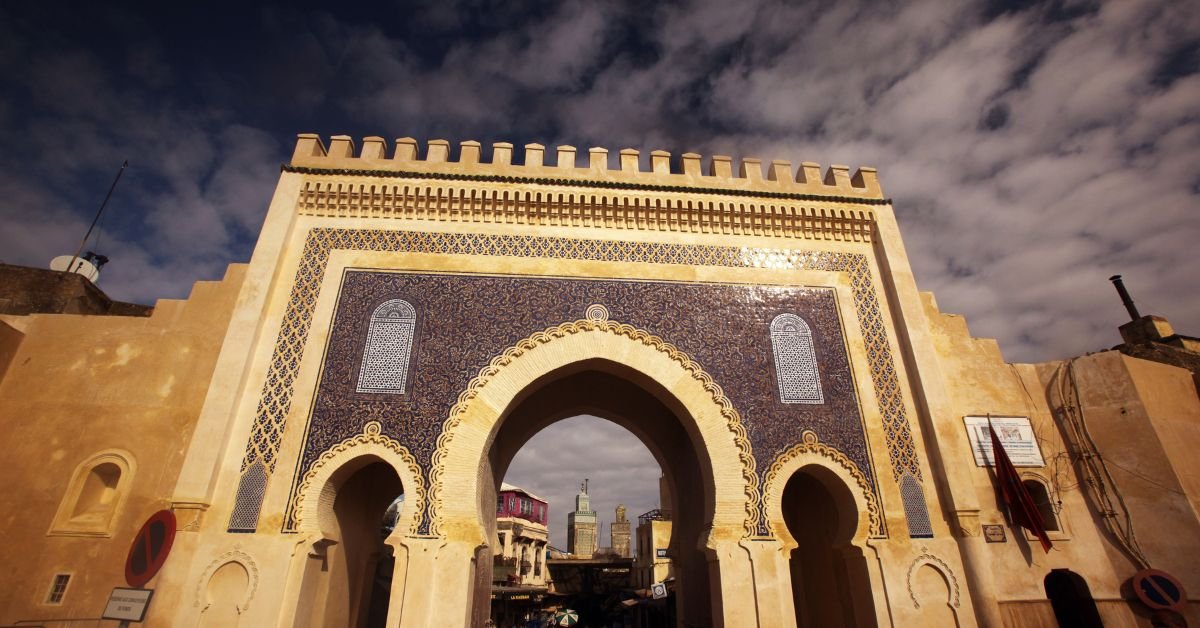
Bab Boujloud, often called the Blue Gate, is one of the most recognizable entrances to the historic medina.
Its colorful tilework and distinctive architecture make it a popular place for photographs. The gate also provides a convenient starting point for exploring nearby streets, cafés, and historic attractions.
Visit in the morning for a calmer atmosphere or later in the day to experience the energy of the surrounding neighborhood.
From here, you can begin exploring the medina at your own pace or meet a local guide for a walking tour.
6. Nejjarine Museum of Wooden Arts and Crafts
If you are interested in Moroccan craftsmanship, the Nejjarine Museum of Wooden Arts and Crafts is worth considering.
The museum celebrates woodworking traditions through decorative objects, carved architectural elements, and examples of traditional craftsmanship.
Its historic setting also adds to the experience. It offers a quieter alternative to the busier market streets and helps visitors understand the skill involved in creating many of Morocco’s traditional decorative objects.
Include this stop in your itinerary if you enjoy design, architecture, or handmade crafts.
7. Jnan Sbil Gardens: Enjoy a Peaceful Escape
After spending several hours walking through the medina, Jnan Sbil Gardens offer a pleasant place to relax.
The gardens provide greenery, shaded paths, and a quieter atmosphere away from the busiest shopping streets. They can be especially enjoyable if you want a break from sightseeing.
You can take a leisurely walk, enjoy the surroundings, or simply slow down before continuing your exploration of the city.
Combining the gardens with nearby historic neighborhoods can create a balanced day that includes both cultural attractions and time to unwind.
Experience Authentic Moroccan Culture in Fes
Visiting famous landmarks is only one part of discovering Fes. Some of the most memorable moments happen when you take time to experience the city’s food, traditional accommodation, and artisan communities.
Stay in a Traditional Moroccan Riad
A riad is a traditional Moroccan house organized around an interior courtyard. Many feature decorative tiles, carved wooden details, fountains, and rooftop terraces.
Staying in a riad can make your visit feel more connected to the city’s architectural heritage.
Before booking, consider the property’s location, recent reviews, available amenities, and distance from accessible roads. Some accommodations are tucked deep inside pedestrian streets, which can make arrival with heavy luggage difficult.
A good riad can also provide a peaceful place to relax after a day exploring the busy medina.
Taste the Traditional Food of Fes
Food is an important part of the Fes experience. The city is known for Moroccan culinary traditions that bring together aromatic spices, slow-cooked dishes, fresh ingredients, and carefully prepared pastries.
Consider trying:
- Chicken pastilla: A delicate pastry traditionally combining chicken, spices, almonds, and sweet-savory flavors.
- Moroccan tagine: A slow-cooked dish prepared with ingredients such as chicken, vegetables, lamb, or seasonal produce.
- Couscous: A traditional dish often served with vegetables and meat.
- Harira: A comforting soup made with ingredients such as tomatoes, lentils, chickpeas, and herbs.
- Bissara: A traditional fava bean soup or purée often enjoyed as a simple, hearty meal.
- Moroccan mint tea: A familiar symbol of hospitality served in homes, cafés, and restaurants.
Try different types of establishments rather than eating every meal in the busiest tourist areas. Asking your accommodation host for recommendations can help you discover food that suits your preferences.
Discover Traditional Artisan Workshops
Fes has a long reputation for craftsmanship, and its medina remains a place to discover traditional skills.
Depending on where you explore, you may encounter artisans working with leather, wood, metal, ceramics, and textiles.
Watching an artisan at work can help you appreciate the time and knowledge involved in producing handmade objects.
If you wish to shop, ask questions about the materials and production process, compare prices, and purchase items you genuinely value. This makes shopping more meaningful than simply collecting souvenirs.
Best Time to Visit Fes
Fes can be visited throughout the year, but the season can influence how comfortable your sightseeing experience will be.
Spring (March to May): Spring is often a pleasant period for walking through the medina and exploring outdoor attractions.
Autumn (September to November): Autumn can also provide comfortable conditions for sightseeing, photography, and discovering the city’s historic neighborhoods.
Summer (June to August): Summer temperatures can become very high. Plan longer walks for the morning or evening, carry water, and take breaks in shaded places.
Winter (December to February): Winter can bring cooler temperatures and rainy periods. Days may still be suitable for sightseeing, but evenings can feel cold, particularly in traditional buildings without modern heating.
Before booking, check the weather forecast and any local events that might affect accommodation availability.
Things to Do Near Fes
If you have additional time, consider exploring some of the destinations around the city.
Visit Meknes
Meknes is another of Morocco’s imperial cities and is a rewarding option for travelers interested in historic architecture and cultural heritage.
You can explore its historic gates, squares, and old neighborhoods. It also works well as part of a longer itinerary through northern Morocco.
Discover Volubilis
Volubilis is an archaeological site known for its Roman-era ruins, ancient streets, and mosaic decorations.
It offers a different perspective on the region’s history and makes an interesting excursion for travelers who enjoy archaeology.
Consider combining Volubilis with Meknes if you have sufficient time and transportation arranged.
Explore Ifrane and the Middle Atlas
Ifrane offers a different atmosphere from the traditional streets of Fes, with distinctive architecture, green spaces, and access to the surrounding Middle Atlas region.
Depending on the season, the area can be an appealing destination for scenic drives, outdoor activities, and mountain landscapes.
Weather conditions may differ significantly from those in Fes, so check the forecast before planning your excursion.
How Many Days Do You Need in Fes?
For many first-time visitors, two to three days is a good starting point.
- One day: Explore Bab Boujloud, walk through the medina, visit a major historic attraction, and enjoy traditional Moroccan food.
- Two days: Add the tanneries, Bou Inania Madrasa, Nejjarine Museum, and time to explore the markets.
- Three days: Enjoy a more relaxed schedule, visit the gardens, and explore additional neighborhoods.
- Four days or more: Consider day trips to Meknes, Volubilis, or the Middle Atlas region.
Your ideal itinerary depends on how quickly you like to travel and whether you prefer focusing on the city or exploring the surrounding region.
Practical Travel Tips for Visiting Fes
A little preparation can help you enjoy your trip more comfortably.
- Wear comfortable walking shoes: The historic medina has narrow streets, uneven surfaces, and many pedestrian areas.
- Consider a local guide: A knowledgeable guide can help you navigate the medina and understand its history and traditions.
- Carry some cash: Small shops and local establishments may not accept cards.
- Confirm prices beforehand: Ask about the cost of transportation, guided tours, and purchases before agreeing.
- Dress respectfully: Lightweight clothing that covers the shoulders and knees is a practical choice for visiting traditional neighborhoods and cultural sites.
- Protect yourself from the sun: Bring water, sunscreen, and a hat when exploring during warmer weather.
- Respect local customs: Ask permission before photographing people and follow the rules at religious or cultural sites.
- Plan your accommodation carefully: Check whether your riad is accessible by vehicle or requires walking through the medina.
If you are traveling internationally, check the latest entry requirements and travel advice before departure.
Is Fes Worth Visiting in 2026?
Fes is worth considering if you want a travel experience centered on history, architecture, traditional craftsmanship, and Moroccan culture.
The city’s historic medina offers something different from destinations built primarily around modern attractions. You can observe artisan traditions, explore centuries-old streets, sample regional food, and learn about the historical influences that shaped Morocco.
Fes may require a little more patience than a straightforward city break. The medina can be confusing for first-time visitors, and some streets become crowded. Planning your route and allowing enough time to explore can make the experience more rewarding.
For travelers who enjoy cultural discovery, Fes is an excellent candidate among the best travel destinations for a memorable Moroccan journey.
Frequently Asked Questions About Fes
Is Fes one of the best travel destinations?
Fes is a strong choice for travelers interested in history, Moroccan architecture, traditional crafts, food, and cultural experiences. It is particularly appealing if you prefer historic cities to conventional beach holidays.
What is Fes famous for?
Fes is famous for its historic medina, traditional leather tanneries, Bou Inania Madrasa, Al Quaraouiyine, artisan workshops, and distinctive Moroccan cuisine.
How many days should you spend in Fes?
Two to three days is a reasonable starting point for a first visit. Additional time allows you to explore the city at a slower pace or take excursions to nearby historic sites.
Is Fes suitable for first-time visitors to Morocco?
Yes. Fes can be a rewarding introduction to Moroccan history and culture. However, the medina’s narrow streets may be confusing, so a local guide and carefully chosen accommodation can make your first visit easier.
What is the best time to visit Fes?
Spring and autumn are often comfortable seasons for exploring the city on foot. Summer can be very hot, while winter brings cooler temperatures and the possibility of rain.
What should you buy in Fes?
Popular purchases include handmade leather goods, ceramics, textiles, embroidered products, and wooden crafts. Compare quality and prices before buying, particularly in busy tourist markets.
Final Thoughts: Add Fes to Your Travel List
Fes is a city that rewards curiosity. Its historic streets, remarkable architecture, artisan workshops, and traditional cuisine offer an opportunity to experience a different side of Morocco.
From exploring the ancient medina to discovering the craftsmanship behind traditional leather goods, each part of your visit can reveal another layer of the city’s identity.
If you are researching the best travel destinations, consider Fes for your next trip. With a little preparation, enough time to explore, and an interest in local culture, you can discover a historic city that offers much more than sightseeing.