
Zagora, Morocco: 15 Unforgettable Things to Do in the Gateway to the Sahara
Imagine standing beneath an endless desert sky as the last…
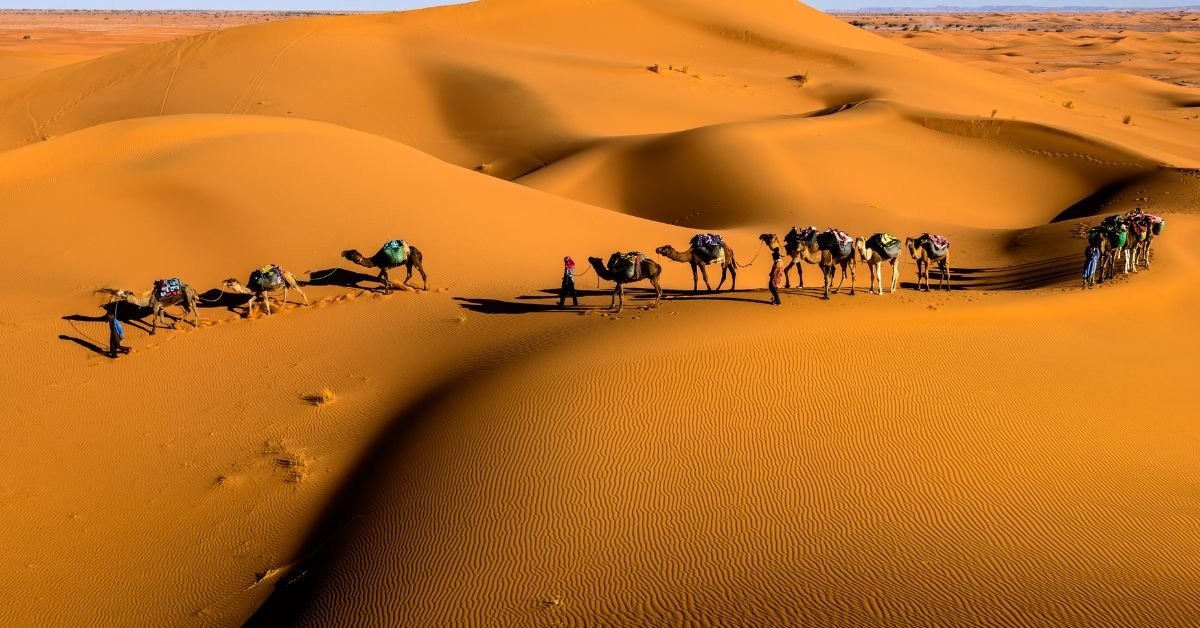
Imagine standing beneath an endless desert sky as the last rays of sunlight turn the sand golden. Palm trees sway gently in a distant oasis, traditional earthen villages blend into the surrounding landscape, and the silence of the desert invites you to forget the rush of everyday life. This is the unforgettable atmosphere of Zagora, one of southern Morocco’s most fascinating destinations.
Located in the Draa Valley, Zagora is widely known as a gateway to the Sahara Desert. Its surroundings reveal a beautiful contrast between green palm groves, ancient kasbahs, rocky mountains, and breathtaking desert landscapes. Unlike Morocco’s busy imperial cities, Zagora offers a slower rhythm of life and opportunities to discover traditional southern Moroccan culture.
If you are searching for the best travel destinations for your next adventure, Zagora deserves a place on your list. You can explore historic villages, discover traditional pottery, ride a camel across desert dunes, enjoy delicious Moroccan food, and spend an unforgettable night beneath a sky filled with stars.
Whether you dream of a peaceful escape or a thrilling desert adventure, this guide will help you discover the best things to do in Zagora, the most beautiful places to visit, the ideal time to travel, and practical tips for planning your journey.
Why Zagora Is One of the Best Travel Destinations
Zagora offers a different kind of Moroccan adventure. Instead of focusing only on historic city centers or coastal attractions, visitors can explore an extraordinary landscape shaped by desert conditions, oasis agriculture, historic caravan routes, and traditional communities.
The surrounding Draa Valley is particularly striking. Its palm groves and earthen settlements create a green corridor through an otherwise dry landscape. Farther south, places such as M’Hamid El Ghizlane provide access to more remote desert areas. The Moroccan National Tourist Office highlights the region’s dunes, oases, kasbahs, and outdoor adventures among its principal attractions. <Cite refs={[“turn120393search1″,”turn120393search4″,”turn120393search5”]}/>
Here are some reasons to visit Zagora:
- Breathtaking desert landscapes: Explore sand dunes, rocky plains, and expansive horizons.
- Historic caravan heritage: Discover stories connected with historic trans-Saharan trade routes.
- Beautiful palm groves: Enjoy the remarkable contrast between green oases and arid surroundings.
- Traditional craftsmanship: Discover Tamegroute’s distinctive green pottery and other local crafts.
- Unforgettable desert nights: Experience traditional camping, sunset views, and stargazing.
- Authentic local culture: Learn about regional food, architecture, and community traditions.
Zagora is particularly rewarding for travelers who want to experience Morocco beyond its most famous cities.
15 Best Things to Do in Zagora, Morocco
1. Discover Zagora Town and the Famous Timbuktu Sign
One of the most recognizable sights associated with Zagora is the historic sign pointing toward Timbuktu, traditionally marked as 52 days away by caravan.
The sign reflects Zagora’s connection with the historic trade routes that once linked southern Morocco with communities across the Sahara and West Africa. It has become an iconic photo stop for visitors exploring the town.
Beyond the sign, take time to discover Zagora itself. Walk through local streets, visit cafés, browse small shops, and observe everyday life in this important gateway to the desert.
Zagora is not a large tourist city, and that is part of its appeal. It provides a more relaxed atmosphere and a useful base for exploring the surrounding valley.
Travel tip: Treat the Timbuktu sign as a historic reference to caravan travel rather than a modern journey-time estimate.
2. Explore the Beautiful Draa Valley
The Draa Valley is one of the most rewarding places to explore near Zagora.
The landscape is known for its extensive date-palm groves, traditional villages, earthen kasbahs, and agricultural settlements. The green vegetation stands out dramatically against the surrounding mountains and dry terrain.
You can discover the valley on a scenic drive, take a guided walk, or visit local villages to learn more about traditional life in southern Morocco.
The region is especially attractive to photographers because the landscape changes throughout the day. Warm sunlight brings out the earthy colors of the buildings, while the palm groves provide striking contrasts with the surrounding desert.
Allow enough time to stop at viewpoints and explore smaller communities rather than treating the valley as a road you simply pass through.
Best for: Nature lovers, photography enthusiasts, cultural discovery, and scenic road trips.
3. Visit Tamegroute and Discover Its Historic Heritage
<AsyncImageGroup query={[“Tamegroute Morocco traditional green pottery ceramics workshop”,”Tamegroute historic earthen village southern Morocco”]} aspectRatio=”5:4″ layout=”carousel” numPerQuery={1}/>
Tamegroute is one of the most interesting cultural destinations near Zagora.
The village is known for its distinctive green pottery, traditional earthen architecture, and long history of religious scholarship. Its historic library is particularly significant because it preserves a collection of old manuscripts associated with the region’s intellectual heritage. <Cite refs={[“turn120393search6”]}/>
A visit gives you an opportunity to experience a different side of southern Morocco beyond desert scenery.
You can discover local workshops, observe how artisans shape and decorate pottery, and learn about the skills passed down through generations.
The green pottery is especially distinctive because of its characteristic glaze and traditional production techniques.
If you want to purchase a piece, ask about the materials, craftsmanship, and packaging options, especially if you need to transport fragile items home.
Access to historic buildings or collections may vary, so check local arrangements before visiting.
4. Experience the Golden Sands of Tinfou Dunes
<AsyncImageGroup query={[“Tinfou dunes Zagora Morocco golden sand hills”,”Tinfou sand dunes near Zagora desert landscape camel”]} aspectRatio=”5:4″ layout=”carousel” numPerQuery={1}/>
If you want to experience the beauty of desert sand without immediately committing to a long expedition, Tinfou is worth considering.
Located south of Zagora, the Tinfou dunes offer an introduction to the sandy landscapes associated with the region.
The dunes are smaller than the most extensive dune fields found elsewhere in the Sahara, but they can still provide beautiful scenery, particularly when the sunlight creates dramatic shapes across the sand.
You can walk across the dunes, take photographs, or arrange an organized camel excursion where available.
For the most comfortable experience, consider visiting early in the morning or later in the afternoon, when the temperatures may be more manageable.
Wear suitable footwear, carry water, and avoid prolonged walks during extreme heat.
5. Take a Desert Excursion to M’Hamid El Ghizlane
M’Hamid El Ghizlane is a settlement farther south that serves as an important gateway to more remote Saharan landscapes.
The journey from Zagora introduces you to changing terrain, oasis settlements, and the increasingly open desert environment.
M’Hamid is a useful starting point for organized expeditions into areas such as Erg Chigaga, particularly if you want to venture beyond the more accessible desert attractions.
Depending on your itinerary, you may arrange a 4×4 journey, camel trekking, or an overnight desert camp.
Because distances are substantial and some routes cross remote terrain, arrange transportation with an experienced local operator rather than attempting an unfamiliar desert route without preparation.
If you are looking for a more adventurous Moroccan experience, M’Hamid can be an excellent addition to your itinerary.
6. Discover the Remote Beauty of Erg Chigaga
Erg Chigaga offers a more remote desert experience for travelers who want to explore beyond the immediate surroundings of Zagora.
This expansive dune area is generally reached through organized off-road excursions, often from the M’Hamid region.
The journey itself is part of the adventure. You travel through broad desert landscapes before reaching the dunes, where the scenery can feel wonderfully isolated and peaceful.
Depending on your tour, you may experience camel trekking, sunset views, overnight camping, and stargazing.
Erg Chigaga requires more planning than a short excursion to nearby Tinfou. Confirm the duration of the journey, the type of vehicle, camp facilities, food arrangements, and safety provisions before booking.
For travelers seeking dramatic desert scenery and a greater sense of remoteness, Erg Chigaga can be a memorable highlight of southern Morocco.
7. Spend an Unforgettable Night in a Desert Camp
<AsyncImageGroup query={[“Zagora Morocco desert camp traditional tents sunset”,”Morocco Sahara desert camp lanterns dinner evening stars”]} aspectRatio=”5:4″ layout=”carousel” numPerQuery={1}/>
Spending a night in the desert can become one of the most memorable parts of your trip.
After the heat of the day begins to fade, the dunes take on softer colors, the horizon glows with sunset light, and the atmosphere becomes quieter.
Many organized desert camps provide tents, meals, and opportunities to enjoy traditional music or spend time outdoors. Facilities vary, from simple camps to more comfortable options with private amenities.
Choose accommodation according to your preferences and budget, and check what the package includes before paying.
Bring warm clothing for the evening, because desert temperatures can drop significantly after sunset, particularly during winter.
8. Ride a Camel Across the Desert Dunes
A camel trek is one of the classic experiences associated with the Moroccan desert.
With an experienced local guide, you can travel across the dunes and enjoy the scenery from a different perspective.
A short camel ride may be suitable for visitors with limited time, while longer excursions can form part of a desert-camping itinerary.
The experience is especially appealing near sunset, when the warm light creates beautiful contrasts across the sand.
Before booking, ask about the duration of the ride, the route, and the treatment and condition of the animals. Choose a responsible operator and ask about walking alternatives if you prefer not to ride.
You should also bring water, sun protection, and suitable clothing.
9. Watch a Spectacular Desert Sunset
Sunset is one of the simplest and most rewarding experiences you can enjoy around Zagora.
As the sun lowers, the changing light transforms the desert landscape. Sandy areas become golden, distant hills grow darker, and long shadows reveal the shapes of the dunes.
Choose a safe viewpoint or arrange a guided excursion to an appropriate location.
If you are staying at a desert camp, ask the staff where to watch the sunset and how much walking is required.
Take your time, enjoy the stillness, and avoid rushing back before you have fully appreciated the scenery.
10. Enjoy Stargazing Beneath the Saharan Night Sky
<AsyncImageGroup query={[“Moroccan Sahara desert camp starry night sky tents”,”Zagora desert Morocco night sky stars sand dunes”]} aspectRatio=”5:4″ layout=”carousel” numPerQuery={1}/>
One of the most magical experiences in southern Morocco begins after dark.
Away from strong city lighting, some desert locations offer excellent opportunities to observe the night sky when the weather is clear.
You may be able to see numerous stars, identify familiar constellations, and appreciate the extraordinary sense of space created by the open horizon.
The quality of the experience depends on cloud cover, moonlight, and artificial lighting around your camp.
If stargazing is important to you, ask your accommodation about the location of the camp and the surrounding light conditions.
You do not need professional photography equipment to enjoy the sky. Sometimes, simply spending a quiet moment outdoors is enough to create a lasting memory.
11. Explore the Amzrou Quarter and Local Silver Craftsmanship
Amzrou, near Zagora, is associated with traditional settlement patterns and artisan activity.
Exploring the area can introduce you to a quieter part of the region, away from the main sightseeing stops.
Depending on local access and availability, you may find craftspeople and shops selling handmade products associated with southern Moroccan traditions.
If you are interested in jewelry or other crafts, ask about the techniques and materials used, compare different items, and purchase directly from local makers where possible.
As in any residential neighborhood, be respectful of private homes and ask permission before photographing people.
12. Visit Traditional Kasbahs and Earthen Villages
<AsyncImageGroup query={[“Draa Valley Morocco traditional mud brick kasbah palm grove”,”Tamnougalt Kasbah Agdz Morocco historic earthen architecture”]} aspectRatio=”5:4″ layout=”carousel” numPerQuery={1}/>
Southern Morocco is known for its striking earthen architecture, including traditional kasbahs and fortified settlements built using materials suited to the local environment.
These buildings reflect the region’s history, trade connections, and adaptation to a dry climate.
Depending on your route, you can explore historic settlements along the Draa Valley and consider an excursion toward Tamnougalt near Agdz.
Walking around these villages offers an opportunity to appreciate traditional construction techniques, decorated facades, and the relationship between settlements and nearby palm groves.
Some buildings are privately occupied or require permission to enter, so follow local guidance and visit accessible sites respectfully.
For travelers who love architecture and history, these places offer a fascinating contrast to Morocco’s imperial cities.
13. Taste Authentic Food from Southern Morocco
Food is an essential part of discovering Zagora and the surrounding Draa Valley.
Regional meals reflect Moroccan culinary traditions, local ingredients, and the hospitality that many visitors experience in family-run guesthouses.
Consider trying:
- Moroccan tagine: A slow-cooked dish prepared with meat, vegetables, and aromatic spices.
- Couscous: A traditional dish often served with vegetables and meat.
- Freshly baked bread: A staple commonly served with meals and other local foods.
- Dates: The Draa Valley is known for its palm groves, making dates a natural regional specialty.
- Mint tea: A familiar symbol of Moroccan hospitality.
- Amlou: A rich spread often prepared with almonds, argan oil, and honey.
Availability varies by season and establishment, so ask your host about local specialties and regional products.
Enjoying a meal at a local guesthouse can also provide a more personal experience than eating every meal at a large tourist-oriented restaurant.
14. Discover the Prehistoric Rock Art Around Tazzarine
If you enjoy archaeology and ancient history, consider exploring the wider area around Tazzarine.
The region is associated with prehistoric rock engravings and archaeological traces that reveal how people lived in the landscape long before modern settlements developed.
Visiting such sites can help you appreciate the extraordinary depth of southern Morocco’s human history.
Because individual sites may be remote, difficult to locate, or vulnerable to damage, arrange a knowledgeable local guide and check access conditions before travelling.
Do not touch, mark, or otherwise disturb rock art. These traces of the past are fragile cultural resources that deserve careful protection.
A visit can add a fascinating historical dimension to an itinerary focused mainly on desert landscapes.
15. Take a Scenic Road Trip Through the Draa Valley
One of the best ways to appreciate the region is to travel slowly through the Draa Valley.
The route offers changing scenery, from palm-filled oases and traditional villages to dry mountains and wide-open desert terrain.
Depending on your itinerary, you can combine stops at Zagora, Tamegroute, and other settlements along the valley.
A road trip allows you to appreciate the dramatic contrast between green vegetation and arid landscapes, while also creating opportunities to stop at local markets, historic buildings, and scenic viewpoints.
Plan your route in advance, allow enough time for the distance, and avoid trying to include too many remote attractions in one day.
For many travelers, the journey between destinations becomes just as memorable as the places themselves.
Best Time to Visit Zagora, Morocco
Zagora has a desert climate, so seasonal temperatures can have a major impact on your travel experience.
Spring (March to May): Spring is often an attractive period for desert excursions, valley exploration, and outdoor activities. Daytime temperatures can be more manageable than during midsummer, although conditions vary.
Summer (June to August): Summer can bring intense heat, particularly during the middle of the day. Plan outdoor activities for early morning or late afternoon, drink enough water, and follow local advice.
Autumn (September to November): Autumn can provide suitable conditions for exploring the Draa Valley and planning desert excursions. Check local weather forecasts before departure.
Winter (December to February): Winter days can be pleasant for exploring, but temperatures may drop sharply after sunset. Pack warm clothing if you plan to stay overnight in the desert.
For many visitors, spring and autumn offer an appealing balance for outdoor activities. However, the best dates depend on your preferred experiences and the weather at the time of travel.
How to Get to Zagora
Zagora is located in southeastern Morocco, and reaching it requires more planning than visiting major cities connected by frequent trains.
From Marrakech
Marrakech is a common starting point for road trips toward Zagora.
The journey typically crosses the High Atlas region and passes through southern Moroccan landscapes before reaching the Draa Valley. Depending on the route, you may be able to include scenic stops along the way.
Because the drive is long and mountain roads require attention, many travelers choose a multi-day itinerary rather than attempting the return journey in a single day.
From Ouarzazate
Ouarzazate is another useful starting point for exploring the southern region.
A road journey toward Zagora introduces you to changing landscapes, oasis areas, and historic settlements along the wider Draa corridor.
Allow enough time for driving and sightseeing, and confirm current road conditions before departure.
From Fes
Traveling from Fes generally requires more time and careful planning than starting from Marrakech or Ouarzazate.
Compare available transport connections and consider breaking the journey into manageable stages if necessary.
For the most convenient desert experience, arrange transportation and accommodation in advance, especially if your itinerary includes remote camps or 4×4 excursions.
How Many Days Do You Need in Zagora?
The ideal length of your stay depends on whether you want to explore the town and valley or venture farther into the desert.
- One day: Explore Zagora town and enjoy a nearby excursion if time permits.
- Two days: Visit the valley, discover local attractions, and consider the Tinfou dunes.
- Three days: Add Tamegroute and a more relaxed desert-camping experience.
- Four to five days: Explore farther toward M’Hamid and consider an organized excursion to Erg Chigaga.
- A week or more: Take a slower road trip through southern Morocco, allowing additional time for valleys, villages, and desert landscapes.
If you are travelling from Marrakech, remember to account for the return journey. A longer itinerary generally allows you to spend more time exploring rather than sitting in a vehicle.
Practical Travel Tips for Visiting Zagora
A little preparation can make your desert adventure more comfortable.
- Carry enough water: Hydration is particularly important during warm weather and outdoor activities.
- Pack warm layers: Desert evenings and winter nights can be cold.
- Use sun protection: Bring sunscreen, sunglasses, and a hat or head covering.
- Wear suitable footwear: Walking across sand and rocky terrain requires comfortable shoes.
- Choose reliable local operators: Confirm the route, transportation, accommodation, and meals included in desert packages.
- Check road conditions: Long desert routes and mountain roads require careful planning.
- Respect local communities: Ask permission before photographing people or private homes.
- Protect the environment: Take your rubbish with you and follow guidance around fragile landscapes.
- Carry some cash: Smaller shops and local establishments may not accept cards.
- Check travel insurance: Make sure your policy covers the activities you intend to undertake.
If you plan to travel into remote desert areas, follow your guide’s instructions and do not wander far from camp without informing someone.
Is Zagora Worth Visiting in 2026?
Zagora is well worth considering if you want to discover a quieter, more adventurous side of Morocco.
Its appeal goes beyond the desert itself. You can experience the green palm groves of the Draa Valley, discover traditional pottery and earthen architecture, learn about historic trade routes, and spend a night beneath a spectacular desert sky.
Zagora is not the same as standing among the enormous dune fields around Merzouga or Erg Chigaga. Some sandy landscapes are closer to town, while other desert experiences require additional travel and organized transport. Understanding these differences will help you choose the trip that suits you best.
For travelers who appreciate natural beauty, cultural discovery, and a slower rhythm of life, Zagora can be an unforgettable destination in southern Morocco.
Frequently Asked Questions About Zagora
Is Zagora one of the best travel destinations in Morocco?
Zagora is an excellent choice for travelers interested in desert landscapes, palm groves, traditional villages, cultural experiences, and access to Saharan excursions.
What is Zagora famous for?
Zagora is known for its historic connection with trans-Saharan caravan routes, its position in the Draa Valley, nearby desert dunes, palm groves, and access to destinations such as Tamegroute and M’Hamid.
Can you visit the Sahara Desert from Zagora?
Yes. Zagora is a gateway to desert excursions, including trips toward Tinfou and farther south toward M’Hamid and Erg Chigaga. The type of landscape and travel time depend on your destination.
How many days should you spend in Zagora?
Two to four days can provide a useful introduction to the town, surrounding valley, and desert experiences. Longer stays are helpful if you want to explore more remote areas at a relaxed pace.
What is the best time to visit Zagora?
Spring and autumn are often appealing for outdoor activities. Summer can be extremely hot, while winter nights may be cold.
Is Zagora better than Merzouga for a desert trip?
The best choice depends on your preferences and itinerary. Zagora provides access to the Draa Valley, Tinfou, M’Hamid, and more remote excursions toward Erg Chigaga. Merzouga is widely associated with the extensive Erg Chebbi dunes. Compare scenery, journey length, camp options, and activities before deciding.
What should you pack for a trip to Zagora?
Bring lightweight clothing for warm days, warm layers for evenings, comfortable shoes, sun protection, water, and any personal essentials you need for overnight desert stays.
Final Thoughts: Add Zagora to Your Travel List
Zagora is a destination that invites you to slow down and experience the beauty of southern Morocco.
From the green palm groves of the Draa Valley to the sandy landscapes beyond town, from traditional pottery workshops to quiet desert nights, every part of the journey offers an opportunity to discover something different.
You may arrive looking for a desert adventure and leave with memories of warm hospitality, remarkable scenery, fascinating traditions, and moments of peaceful escape.
If you are searching for the best travel destinations, consider adding Zagora to your Morocco itinerary. Plan your route carefully, choose experiences that match your interests, and give yourself enough time to appreciate the extraordinary landscapes and culture of this remarkable region.