✈︎ Unlock New experience

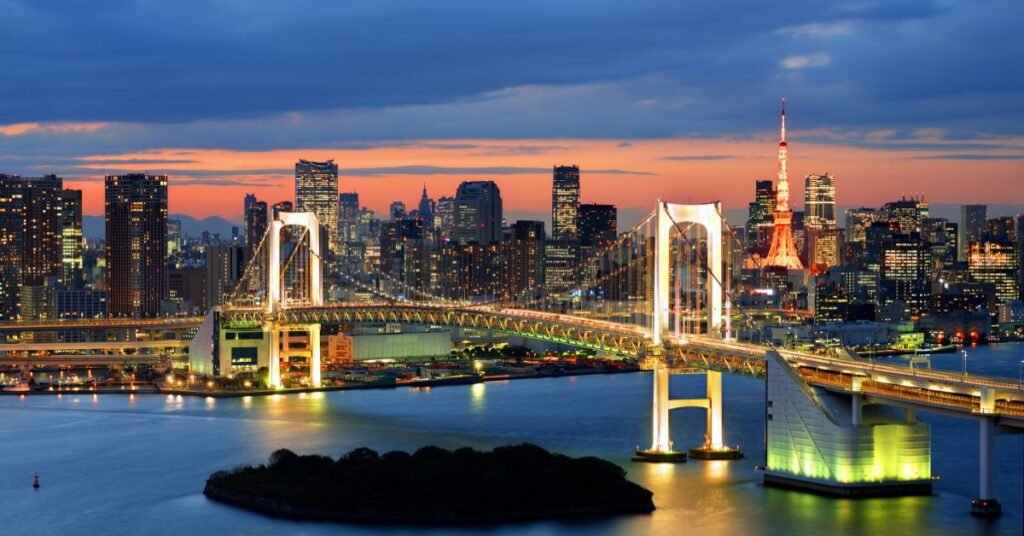
Imagine standing beneath a canopy of delicate cherry blossoms, walking through ancient temples surrounded by peaceful gardens, and watching futuristic skyscrapers illuminate the night sky. The aroma of freshly prepared ramen fills the air, traditional wooden houses line quiet streets, and high-speed trains carry you toward breathtaking landscapes. Welcome to Japan, a country where ancient traditions and extraordinary modern experiences come together.
From the dazzling streets of Tokyo to the historic charm of Kyoto and the majestic beauty of Mount Fuji, Japan offers an incredible variety of experiences. You can discover centuries-old traditions, taste world-famous cuisine, relax in natural hot springs, and explore landscapes that change dramatically with the seasons.
If you are searching for the best travel destinations for your next adventure, Japan deserves a place at the top of your list. Whether you dream of discovering Japanese culture, exploring vibrant cities, hiking through spectacular scenery, or enjoying peaceful moments in traditional villages, this extraordinary country offers something unforgettable.
In this guide, you will discover 15 of the best things to do in Japan, the most beautiful places to visit, the best time to travel, and practical tips to help you plan an incredible journey.

Japan stands out because it combines remarkable cultural heritage, modern innovation, delicious food, and diverse natural landscapes within one destination.
You can explore a historic shrine in the morning, enjoy an exceptional meal at lunchtime, and experience the bright lights of a modern entertainment district in the evening.
The country’s geography also offers extraordinary variety. Northern Japan is known for snowy winters and expansive natural landscapes, while southern regions such as Okinawa offer subtropical islands and beautiful beaches.
According to the Japan National Tourism Organization, visitors can discover historic temples, traditional festivals, natural wonders, hot springs, outdoor adventures, and modern cultural attractions throughout the country.
Here are some reasons to visit Japan:
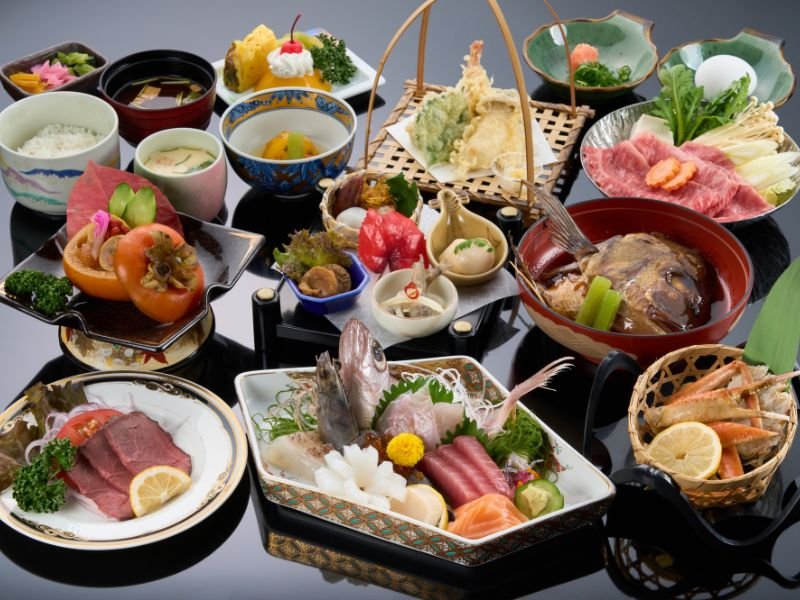
Extraordinary cuisine: Enjoy sushi, ramen, tempura, regional specialties, and traditional sweets.

Modern city experiences: Explore Tokyo’s neon-lit streets, Osaka’s entertainment districts, and contemporary architecture.
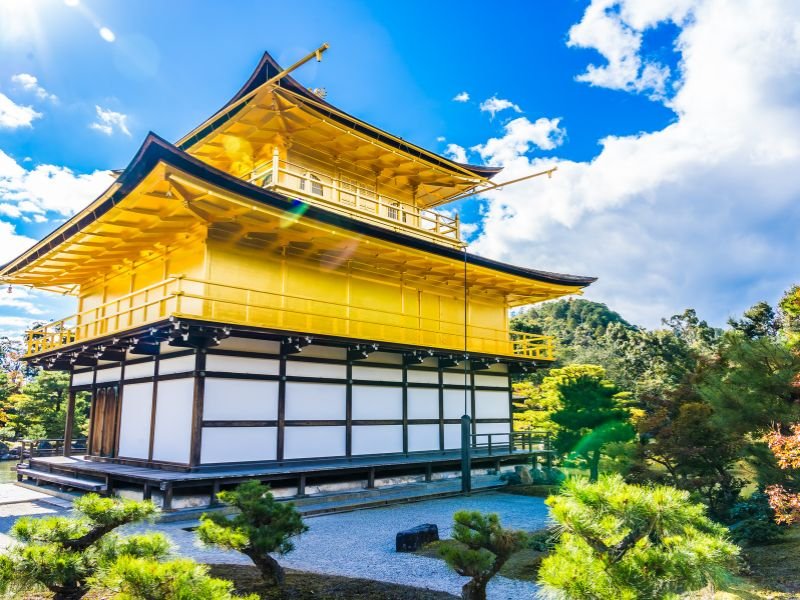
Peaceful cultural escapes: Experience Japanese gardens, traditional inns, and natural hot springs.
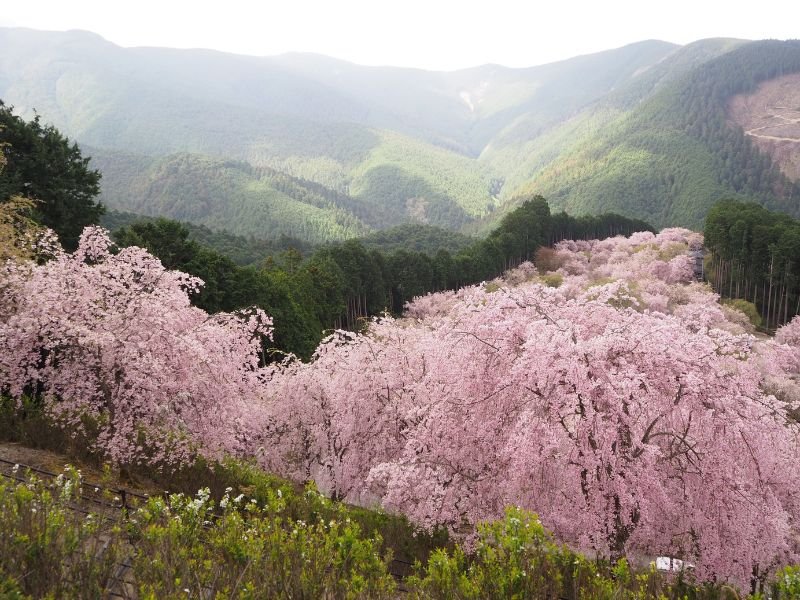
Seasonal beauty: Discover cherry blossoms in spring, colorful foliage in autumn, and snowy landscapes in winter.
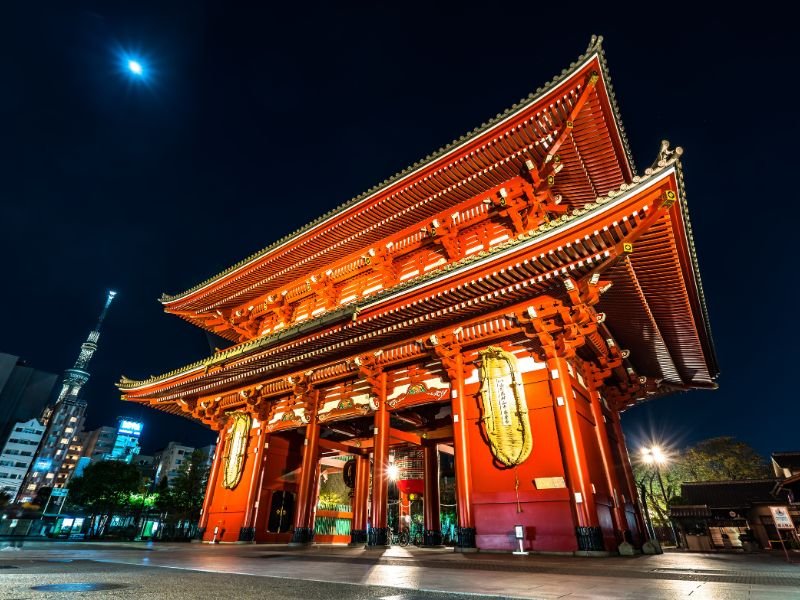
Rich cultural heritage: Discover historic temples, shrines, castles, and traditional neighborhoods.
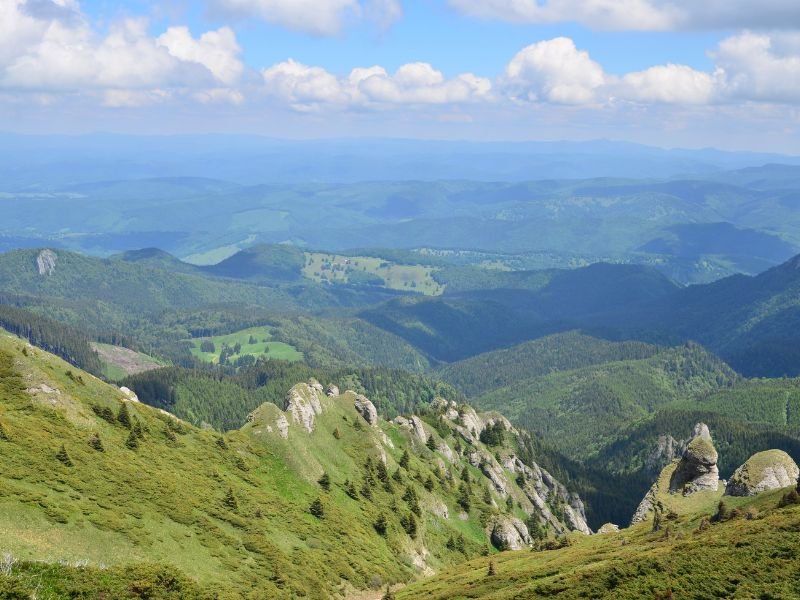
Breathtaking scenery: Explore Mount Fuji, mountain valleys, colorful gardens, and coastal landscapes.
Tokyo is one of the most exciting cities in the world, offering a fascinating mixture of modern technology, traditional culture, shopping, and entertainment.
Start your adventure in Shibuya, where the famous pedestrian crossing captures the city’s energetic atmosphere. Explore Shinjuku for its skyscrapers and restaurants, then visit Asakusa to discover a more traditional side of Tokyo.
Senso-ji Temple is one of the city’s best-known cultural landmarks, while the surrounding shopping streets are perfect for discovering Japanese snacks and souvenirs.
Tokyo is also a paradise for food lovers. You can explore sushi restaurants, ramen shops, Japanese bakeries, and lively food markets.
Best for: First-time visitors, food lovers, shopping enthusiasts, and travelers who enjoy vibrant cities.

The former imperial capital is famous for historic temples, elegant gardens, wooden townhouses, and beautiful traditional streets.
Visit Kiyomizu-dera to admire its historic architecture, explore the Gion district, and discover Arashiyama’s celebrated bamboo grove.
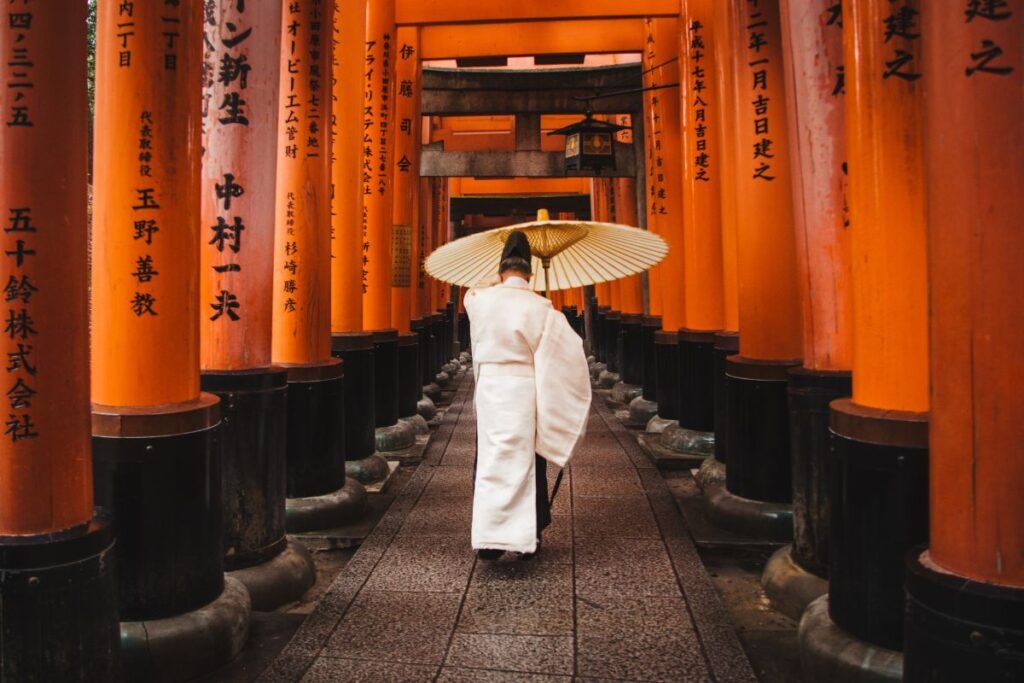
Fushimi Inari Taisha is another unforgettable attraction, known for its pathways lined with thousands of vivid vermilion torii gates leading into the forested hills.
Spring cherry blossoms and autumn foliage make Kyoto particularly beautiful, although popular attractions can become crowded. Visiting early in the morning can provide a more peaceful experience.
The city is famous for its lively dining culture, welcoming atmosphere, and energetic entertainment districts.
Dotonbori is an excellent place to begin. Colorful signs, bustling streets, and countless food establishments create an exciting environment for an evening walk.
Try local favorites such as takoyaki, savory octopus-filled balls, and okonomiyaki, a savory pancake prepared with varying ingredients.
You can also visit Osaka Castle and explore the city’s shopping and entertainment districts.
Osaka offers an enjoyable contrast to Kyoto’s historic atmosphere, combining delicious food with a lively modern city experience.
Mount Fuji is one of Japan’s most recognizable natural landmarks.
Rising approximately 3,776 meters above sea level, this magnificent volcano is celebrated for its distinctive shape and cultural significance.
One of the best ways to admire the mountain is to visit the Fuji Five Lakes area, where you can discover scenic viewpoints, lakeside walks, and opportunities for unforgettable photographs when visibility is favorable.
The landscape changes beautifully with the seasons. Cherry blossoms, autumn colors, and winter scenery can create spectacular views, although clouds sometimes hide the summit.
If you plan to climb Mount Fuji, research the official climbing season, route requirements, and current safety regulations before departure.
You do not need to reach the summit to appreciate its beauty. Simply watching Mount Fuji rise above a lake can become one of the highlights of your trip.
Nara is an excellent destination for travelers who want to combine history, culture, and a memorable wildlife experience.
Nara Park is famous for its free-roaming deer, which have become one of the area’s most recognizable attractions.
Walking through the park gives you a chance to encounter the deer among green spaces, historic buildings, and pathways leading toward important cultural landmarks.
Visit Todai-ji Temple to see its enormous bronze Buddha statue inside an impressive wooden hall.
If you want to feed the deer, purchase designated deer crackers and follow posted guidance. The deer are still wild animals, so maintain a respectful distance and avoid teasing or cornering them.
Nara is a convenient day trip from Kyoto or Osaka.
Hiroshima offers one of the most meaningful cultural and historical experiences in Japan.
The Hiroshima Peace Memorial Park commemorates the victims of the atomic bombing of August 6, 1945, and promotes a message of peace.
Visiting the park and its memorial sites provides an opportunity to learn about the human consequences of nuclear warfare and reflect on the importance of peace.
The Atomic Bomb Dome is one of the most recognizable structures associated with this history and forms part of a UNESCO World Heritage Site.
Allow enough time to explore the memorials and museum, and approach the experience with respect for its historical and personal significance.
Beyond its peace heritage, Hiroshima also offers distinctive regional food and beautiful surrounding landscapes.
Miyajima is a beautiful island near Hiroshima, known for its wooded hills, traditional architecture, and spectacular coastal scenery.
Itsukushima Shrine is the island’s best-known landmark, particularly its famous red torii gate, which appears to stand in the water at certain tides.
You can explore the shrine area, discover traditional shops, sample local specialties, and take a cable car or hiking route toward Mount Misen.
Miyajima is particularly appealing to photographers because the landscape changes with the tides, weather, and light.
Check ferry schedules before travelling and allow plenty of time to enjoy the island without rushing back to the mainland.
Hakone is an excellent destination if you want to slow down after exploring Japan’s busy cities.
Located in a mountainous area near Tokyo, Hakone is known for its hot springs, scenic landscapes, Lake Ashi, and opportunities to admire Mount Fuji when the weather is clear.
A stay in a traditional Japanese inn, known as a ryokan, can make your visit especially memorable. Many ryokan offer Japanese-style rooms, carefully prepared meals, and access to onsen, or natural hot spring baths.
You can also take a scenic boat ride, visit museums, and explore parts of the surrounding national park.
Before using an onsen, check the establishment’s bathing rules and policies concerning tattoos.
Hokkaido, Japan’s northernmost main island, offers a completely different experience from Tokyo and Kyoto.
The region is known for its expansive landscapes, national parks, forests, volcanic scenery, and snowy winters.
Nature lovers can explore mountain trails, visit scenic lakes, and discover beautiful countryside. During winter, Hokkaido is especially attractive for skiing and snowboarding where conditions permit.
Sapporo provides an urban base for exploring the island, while Furano and Biei are known for open landscapes and seasonal scenery.
Because Hokkaido is large, choose a specific region and allow enough time to enjoy it rather than attempting to cover the entire island during a short visit.
If you want a warmer, beach-focused experience, Okinawa offers a fascinating contrast to mainland Japan.
The islands are known for clear water, coastal scenery, coral reefs, and a distinctive Ryukyu cultural heritage.
You can enjoy beach walks, snorkeling, diving, boat excursions, and opportunities to discover local food and traditions.
Okinawa also has a rich history connected with the Ryukyu Kingdom, which shaped the islands’ distinctive cultural identity.
Naha is a convenient starting point for exploring Okinawa’s main island, while other islands offer additional opportunities for coastal exploration.
Weather varies throughout the year, and tropical storms can affect travel plans during parts of the season. Check forecasts before booking water activities.
Kanazawa is an excellent destination for travelers interested in Japanese craftsmanship, gardens, and historic neighborhoods.
One of its best-known attractions is Kenrokuen Garden, celebrated for its carefully designed landscapes, ponds, bridges, and seasonal beauty.
You can also explore historic districts, traditional teahouse areas, local markets, and museums.
Kanazawa offers rich cultural experiences without requiring you to spend your entire trip in Japan’s largest cities.
Food is another highlight, particularly seafood and regional specialties associated with the surrounding coastal area.
Consider staying overnight if you want to explore at a relaxed pace and enjoy the atmosphere beyond the busiest sightseeing hours.
Takayama is a picturesque mountain town known for its historic streets, traditional wooden buildings, and regional culture.
Walking through the old town offers a glimpse of an earlier period in Japanese history. You can explore preserved merchant houses, small shops, sake breweries, and traditional dining establishments.
The surrounding Hida region provides beautiful mountain scenery and opportunities for scenic excursions.
Takayama is also a useful base for visiting Shirakawa-go, a nearby historic village famous for its distinctive steep thatched roofs.
Depending on the season, the region can offer atmospheric autumn colors, fresh spring scenery, or beautiful winter landscapes.
If you appreciate traditional architecture and slower travel experiences, Takayama is well worth considering.
Japanese cuisine is one of the country’s greatest attractions, and exploring it can become a memorable part of your journey.
Although sushi is internationally famous, Japan offers an extraordinary variety of regional dishes, cooking styles, ingredients, and dining experiences.
Make time to try:
Ramen: Noodles served in flavorful broth, with different regional varieties.
Sushi: Prepared with rice and ingredients such as fish or seafood.
Tempura: Seafood or vegetables coated in a light batter and fried.
Okonomiyaki: A savory pancake associated with places including Osaka and Hiroshima.
Udon and soba: Japanese noodles served hot or cold.
Wagyu beef: Highly regarded Japanese beef available at selected restaurants.
Japanese sweets: Traditional treats made with ingredients such as rice, beans, and seasonal fruit.
Explore local markets, small restaurants, and regional food establishments to discover dishes beyond the most familiar options.
Japan’s Shinkansen, or bullet train, is more than transportation. It can be one of the memorable experiences of your trip.
The high-speed rail network connects major destinations and makes it practical to explore multiple regions in one itinerary.
Depending on your route, you may travel between Tokyo, Kyoto, Osaka, and Hiroshima while enjoying views of cities, countryside, and mountains along the way.
Before booking, compare ticket options, check whether seat reservations are appropriate for your journey, and research local transit connections.
For practical information, consult the Japan National Tourism Organization’s train and bus guide.
A stay in a traditional ryokan can add a memorable cultural dimension to your Japanese holiday.
Unlike a conventional hotel, a ryokan often emphasizes traditional hospitality, carefully prepared meals, Japanese-style rooms, and a peaceful atmosphere.
You may sleep on a futon laid out on tatami flooring, wear a provided yukata robe, or enjoy a multi-course dinner featuring seasonal ingredients.
Some ryokan also offer onsen facilities, allowing you to combine traditional accommodation with a relaxing hot spring experience.
Customs vary between properties, so follow the staff’s guidance about shoes, bathing, meals, and shared facilities.
For travelers interested in Japanese traditions, a ryokan stay can become one of the most rewarding memories of the entire trip.
Japan offers beautiful experiences throughout the year, but the best time to visit depends on the regions you plan to explore.
Spring (March to May): Famous for cherry blossoms, seasonal flowers, and pleasant conditions in many regions. Blossom dates vary each year.
Summer (June to August): A season for festivals, mountain adventures, and lush landscapes. Many cities can become hot and humid.
Autumn (September to November): Known for colorful foliage, comfortable sightseeing conditions in many areas, and beautiful scenery.
Winter (December to February): Ideal for snow-covered landscapes, winter sports, hot springs, and seasonal experiences in regions such as Hokkaido.
Japan stretches a considerable distance from north to south, so weather differs significantly between regions. Check the official Japan National Tourism Organization website before choosing your travel dates.
5–7 days: Focus on Tokyo and Kyoto, perhaps adding Mount Fuji or Nara.
10 days: Combine Tokyo, Kyoto, Osaka, and one or two additional destinations.
14 days: Explore the major cities while adding Hiroshima, Miyajima, or Hakone.
Three weeks or more: Consider a broader journey incorporating Hokkaido, Kanazawa, Takayama, or Okinawa.
Rather than trying to see everything, choose destinations that match your interests and allow enough time to appreciate each place.
Plan transportation ahead: Research train routes, tickets, and local transit.
Carry a payment alternative: Some small businesses still prefer cash.
Respect local etiquette: Follow signs and observe local customs.
Keep public transportation quiet: Avoid loud conversations and phone calls on trains.
Remove shoes when required: Some traditional accommodations and establishments have shoe-removal rules.
Book popular accommodation early: Seasonal periods can increase demand.
Check attraction rules: Opening hours, entry arrangements, and climbing regulations can change.
Learn a few Japanese phrases: Simple greetings and polite expressions can make everyday interactions easier.
Check entry requirements: Confirm visa and entry conditions for your nationality before booking.
For more guidance, consult the official Japan travel etiquette guide.
Absolutely. Japan is an outstanding choice if you want a destination that combines cultural discovery, remarkable scenery, innovative cities, and unforgettable food.
You can explore centuries-old temples in Kyoto, enjoy the energetic streets of Tokyo, admire Mount Fuji, learn about history in Hiroshima, or relax in a natural hot spring.
The country also rewards travelers who explore beyond the most famous landmarks. Smaller towns, regional food traditions, rural landscapes, and traditional inns can create experiences that feel more personal and memorable.
For travelers seeking variety, beauty, and meaningful experiences, Japan deserves a place among the world’s most compelling travel destinations.
Japan is an excellent choice for travelers interested in culture, food, history, nature, modern cities, and traditional experiences.
Tokyo, Kyoto, and Osaka provide a strong introduction to Japan. With extra time, consider Mount Fuji, Nara, Hakone, Hiroshima, or Miyajima.
Ten to fourteen days provides a useful starting point for exploring several major destinations without rushing too much. Shorter trips can still be rewarding if you focus on a smaller area.
Spring and autumn are popular because of seasonal flowers, colorful foliage, and comfortable conditions in many regions. Winter and summer can also be excellent depending on your destination and interests.
Japan offers a wide range of accommodation, food, and transportation options. Total costs depend on the season, travel style, distance covered, and type of accommodation you choose.
Yes. The Fuji Five Lakes area and other locations around Mount Fuji are popular excursions from Tokyo, although travel time depends on your chosen destination.
Respect personal space, keep noise low on public transportation, follow local instructions, and remove shoes when required. Customs can differ between settings, so observe local signs and ask when unsure.
Japan is a destination that can change how you see the world.
Its ancient temples, vibrant cities, extraordinary food, peaceful gardens, and dramatic landscapes offer countless opportunities for discovery. You can experience the energy of Tokyo, the timeless beauty of Kyoto, the natural majesty of Mount Fuji, and the warm hospitality of a traditional ryokan.
The most memorable moments may not always be the famous landmarks. They might be a quiet walk through a historic neighborhood, a delicious bowl of ramen discovered by chance, or a beautiful sunrise over a mountain lake.
If you are searching for the best travel destinations, consider adding Japan to your travel plans. Choose experiences that match your interests, respect local traditions, and leave enough time to explore beyond the usual tourist routes.
With thoughtful planning and a spirit of curiosity, Japan can offer a journey filled with breathtaking scenery, unforgettable flavors, and memories that last a lifetime.