
Tétouan Travel Guide: Best Things to Do, Medina & Nearby Beaches
Explore Tétouan, Morocco: discover its UNESCO-listed medina, Andalusian heritage, traditional crafts, local food, nearby Mediterranean beaches and a practical 2-day itinerary.
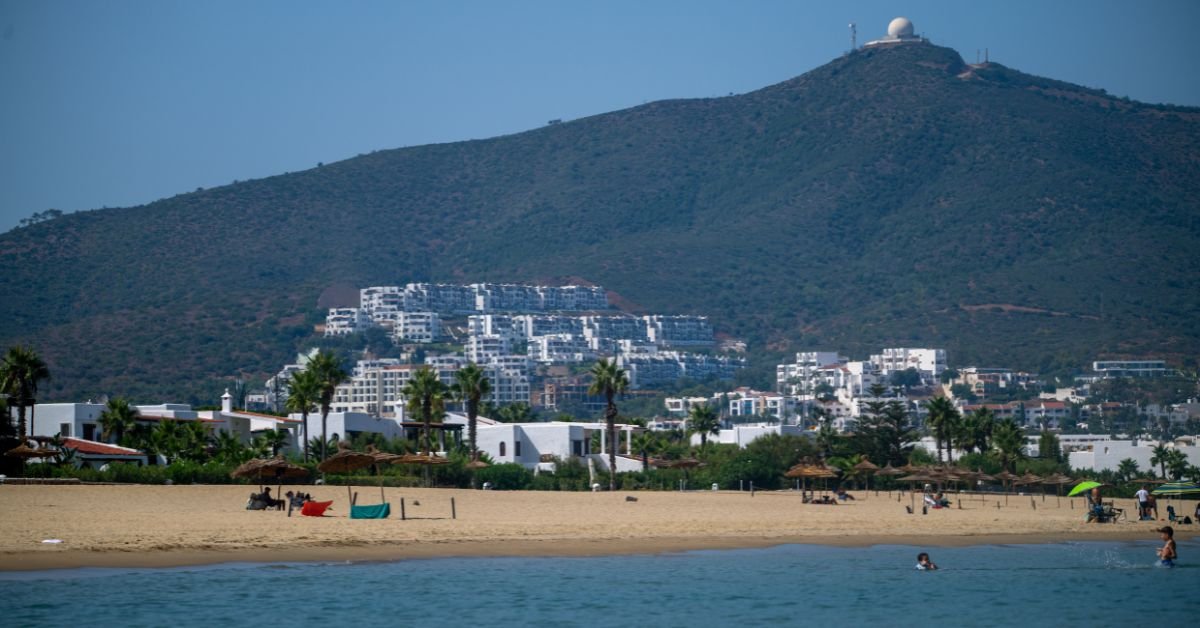
Set between the Rif Mountains and Morocco’s Mediterranean coast, Tétouan is one of northern Morocco’s most rewarding cultural destinations. Its whitewashed medina, Andalusian-influenced architecture, lively craft markets and relaxed café culture give the city a character that feels distinct from Marrakech or Fes. Add nearby beaches and easy day trips, and Tétouan makes an excellent stop on a northern Morocco itinerary.

Why Visit Tétouan, Morocco?
Tétouan is a city of contrasts in the best possible way. Inside the historic walls, narrow lanes lead to small squares, traditional workshops, fountains and homes decorated with Andalusian details. Outside the medina, the Ensanche reveals broad avenues and Spanish-era architecture. The Mediterranean beaches of Martil and M’diq are also close enough for an easy change of scenery.
The city’s historic medina was added to the UNESCO World Heritage List in 1997. UNESCO highlights its role as a meeting point between Morocco and Andalusia and its distinctive blend of Moroccan and Andalusian urban and architectural traditions.
Best Things to Do in Tétouan
1. Explore the UNESCO-Listed Medina
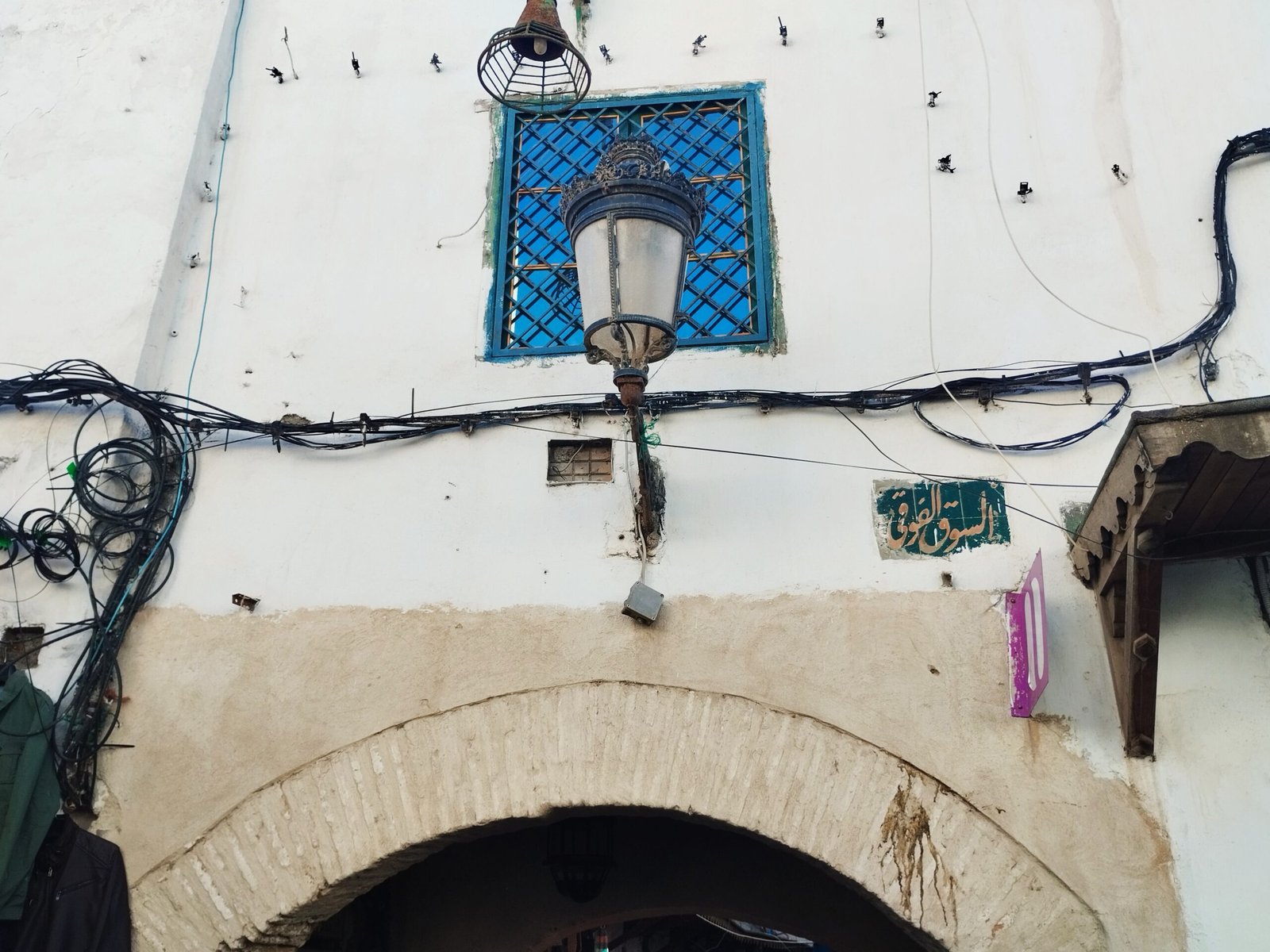
The medina is the heart of Tétouan and the best place to begin. Walk through its historic gates and follow the lanes past whitewashed houses, carved doors, small mosques, neighborhood bakeries and artisan shops. Take your time: the pleasure is in noticing the details, listening to the rhythm of local life and discovering courtyards and workshops along the way.

If this is your first visit, consider hiring an officially licensed local guide for a two- or three-hour walk. A guide can explain the history of the quarters, point out architectural details and help you understand the city’s craft traditions. Ask permission before photographing residents or shopkeepers.
2. Visit Place Hassan II and the Royal Palace Area
Place Hassan II, also known as the Feddan, is one of the city’s most recognizable meeting points. The square sits beside the Royal Palace’s impressive entrance and forms a natural link between the medina and the newer parts of Tétouan. Admire the exterior architecture, watch the movement of the square and use the area as a starting point for exploring the old town. The palace itself is not a regular tourist interior visit, so enjoy the public-facing architecture respectfully.
3. Discover Tétouan’s Arts and Crafts
Tétouan has a long reputation for traditional craftsmanship. Look for embroidered textiles, leatherwork, woodwork, metalwork and decorative tilework in the medina’s artisan quarters. Dar Sanaa, the city’s traditional arts and crafts school, is associated with the preservation of local skills. Check visiting arrangements before making a special trip, as access and opening times can vary.
4. Explore the Museums
For a deeper understanding of the region, add a museum visit to your walk. The Ethnographic Museum near Bab el-Oqla introduces aspects of northern Moroccan domestic life, clothing and traditions. The Archaeological Museum is another worthwhile stop for visitors interested in the area’s older history and finds from nearby archaeological sites. Confirm current opening hours locally, especially around public holidays.
5. Walk Through the Spanish Ensanche
Beyond the medina, the Ensanche offers a different architectural mood. Its wider streets, apartment façades, civic buildings and cafés reflect the city’s Spanish-era urban development. Walk around the central avenues and Place Moulay El Mehdi to see how this district contrasts with the older, more intimate lanes nearby.
6. Taste the Food of Northern Morocco
Make time for a relaxed meal in a local restaurant or café. Look for fresh fish when available, Moroccan salads, tagines, grilled meats, seasonal produce and northern Moroccan specialties. Tétouan is also known for its Andalusian-influenced sweets and pastries. In the markets, you may find local cheeses such as jben, olives, bread and other regional products. Ask what is freshly prepared that day.
Best Day Trips from Tétouan
One of Tétouan’s biggest advantages is its location. You can spend the morning exploring historic streets and the afternoon by the sea, or use the city as a base for discovering more of northern Morocco.
- Martil: A nearby Mediterranean beach town for a seaside walk, swimming in suitable conditions and seafood by the water.
- M’diq: A coastal town known for its marina, restaurants and access to the Tamuda Bay area.
- Cabo Negro: A popular summer area with beaches and resort-style stays. It is livelier during the peak holiday season.
- Chefchaouen: The famous blue-painted mountain town in the Rif, ideal for a full-day excursion or an overnight stop.
- Tangier: A larger coastal city with a historic kasbah, lively waterfront and connections to the Strait of Gibraltar.
- Tamuda: An archaeological site near Tétouan that offers a glimpse into the ancient history of the region. Check access arrangements before visiting.
A Simple 2-Day Tétouan Itinerary
Day 1: The Historic City
- Morning: Start at Place Hassan II, then explore the medina and its main artisan streets.
- Lunch: Try a traditional Moroccan meal in or near the old town.
- Afternoon: Visit a museum or craft space, then walk through the Ensanche.
- Evening: Enjoy tea, pastries or dinner at a local café or restaurant.
Day 2: The Mediterranean Coast
- Morning: Head to Martil or M’diq for a relaxed coastal walk.
- Lunch: Choose a seafood restaurant and ask about the catch of the day.
- Afternoon: Spend time by the water or continue toward Cabo Negro, depending on the season.
- Evening: Return to Tétouan or stay overnight near the coast.
Best Time to Visit Tétouan
For comfortable sightseeing, consider April to June or September to October. These shoulder-season months are generally pleasant for walking around the medina and exploring the surrounding area. July and August are best suited to travelers who want a lively beach atmosphere, but coastal towns can be busy and accommodation may be more expensive. Winter is quieter, though rain and cooler weather can affect outdoor plans.
How to Get to Tétouan
Tétouan has a small airport, but international flight options may be limited. Many international visitors arrive through Tangier Ibn Battouta Airport and continue by road. Buses and shared grand taxis connect Tétouan with other northern Moroccan cities, including Tangier and Chefchaouen. Check current schedules and departure points before travel, as services can change.
Within the city, the medina is best explored on foot. Petit taxis are useful for reaching neighborhoods outside the old town. For day trips to the coast or nearby towns, compare shared taxis, buses and private transfers based on your schedule and group size.
Where to Stay in Tétouan
Choose accommodation based on the kind of trip you want. Staying near the medina or central city makes it easier to explore historic sights, cafés and markets on foot. If your priority is swimming and beach time, look at accommodation in Martil, M’diq or Cabo Negro. During summer and holiday periods, book ahead and check how far your accommodation is from the places you plan to visit.
Practical Travel Tips for Tétouan
- Wear comfortable walking shoes; the medina has uneven paving, steps and narrow lanes.
- Carry some Moroccan dirhams for small purchases, cafés and local transport.
- Dress respectfully, particularly when visiting religious or traditional areas.
- Ask before taking close-up photographs of people, homes or workshops.
- Agree on the price before taking an informal taxi or hiring a private guide.
- Keep Friday and public-holiday schedules in mind, as some shops and attractions may operate reduced hours.
- Save your accommodation location offline in case mobile data is unreliable.
Frequently Asked Questions About Tétouan
Is Tétouan worth visiting?
Yes. Tétouan is especially rewarding if you enjoy historic medinas, architecture, traditional crafts and local food. Its nearby Mediterranean coast makes it easy to combine cultural sightseeing with beach time.
How many days do you need in Tétouan?
One full day is enough for a first look at the medina and central districts. Two days allow time for museums, a slower city visit and a trip to Martil or M’diq. Stay longer if you want to explore the wider region.
Can you visit Tétouan and Chefchaouen on the same trip?
Absolutely. The two destinations work well together on a northern Morocco itinerary. You can travel between them by road, but check transport schedules and allow enough time to enjoy each place rather than rushing both into one day.
Is Tétouan good for a beach holiday?
Tétouan itself is inland from the main beach resorts, but Martil, M’diq and Cabo Negro are nearby. If beach time is your main priority, consider staying on the coast and visiting the medina as a day trip.
What is Tétouan famous for?
Tétouan is known for its UNESCO-listed medina, Andalusian heritage, traditional arts and crafts, Spanish-era architecture and access to the Mediterranean coast.
Final Thoughts: Make Time for Tétouan
Tétouan rewards travelers who slow down. Spend time in the medina, notice the details in its architecture, talk with local artisans and enjoy the flavors of northern Morocco. Then make room for the coast or a journey into the Rif Mountains. Whether you visit for a day or stay for a long weekend, Tétouan offers a memorable side of Morocco that deserves a place on your itinerary.
Planning a wider trip? Explore more destinations in our Morocco travel guides and discover our guide to things to do in Tangier.