Morocco Travel Guide for First-Time Visitors: Everything You Need to Know
Plan your first trip to Morocco with practical advice on the best places to visit, local food, transport, safety, budgets, and a first-time itinerary.
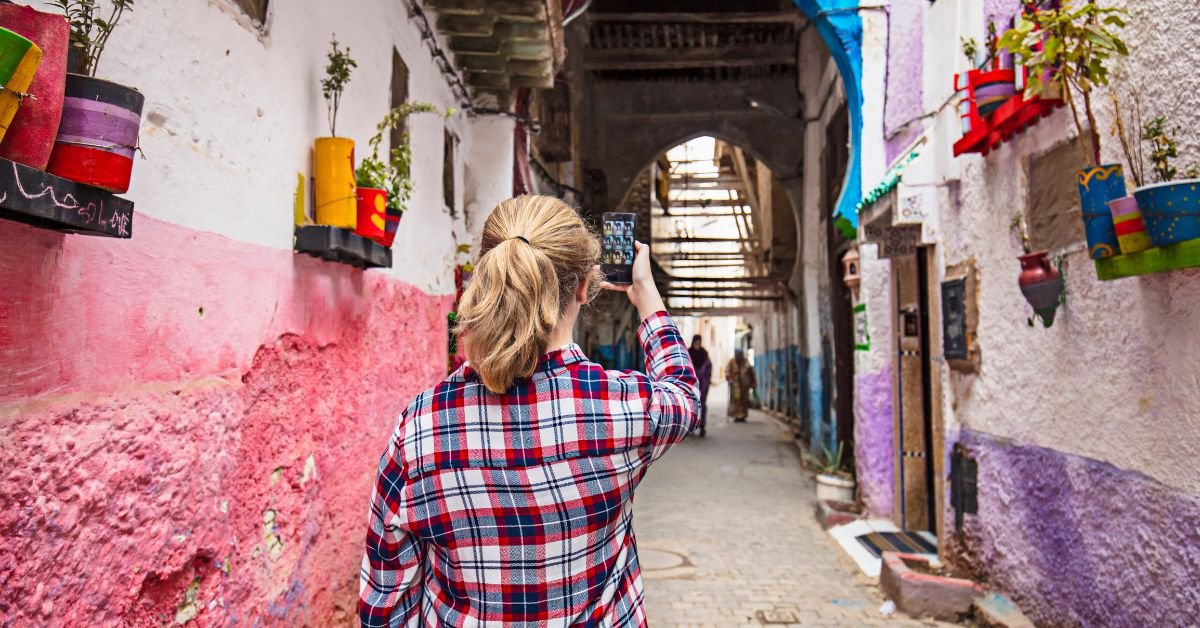
Imagine stepping into a bustling Moroccan souk, smelling freshly baked bread, admiring colorful handmade carpets, and hearing the call to prayer echo across an ancient medina. A little later, you could be walking along an Atlantic beach, exploring mountain villages, or watching the sun set over the Sahara Desert.
Morocco offers an extraordinary mix of culture, history, food, architecture, and landscapes. For first-time visitors, however, planning a trip can raise plenty of questions. Which cities should you visit? How do you get around? What should you wear? How much money will you need? And what should you know before arriving?
This Morocco travel guide for first-time visitors covers the essentials to help you plan a comfortable, memorable, and well-organized journey. Whether you are spending one week exploring the imperial cities or two weeks combining mountains, beaches, and the desert, you will find practical tips to make the most of your time.
Quick Facts Before Visiting Morocco
Here are a few basics to know before you start planning.
| Travel Essential | What You Should Know |
|---|---|
| Capital city | Rabat |
| Currency | Moroccan dirham (MAD) |
| Official languages | Arabic and Amazigh |
| Other widely used languages | French; English in many tourist settings |
| Main international airports | Casablanca, Marrakech, Rabat, Tangier, and Agadir |
| Best seasons for many itineraries | Spring and autumn |
| Common transportation | Trains, intercity buses, taxis, and rental cars |
| Popular experiences | Historic medinas, Moroccan cuisine, mountains, beaches, and desert excursions |
Morocco is a country of regional contrasts. The Atlantic coast, northern mountains, inland cities, and southern desert regions can have very different weather conditions at the same time. Plan around the places you want to visit rather than assuming the climate is the same throughout the country.
1. When Is the Best Time to Visit Morocco?
The best time to visit Morocco depends on your itinerary, budget, and tolerance for heat or cold. Spring and autumn are popular choices because many destinations have comfortable conditions for sightseeing. However, coastal cities, mountain areas, and desert regions each have their own seasonal patterns.
Spring: March to May
Spring is a good time to explore historic cities, visit gardens, and enjoy outdoor activities. Temperatures can be pleasant in Marrakech and Fez, while mountain landscapes may still have cooler conditions at higher elevations.
This season suits travelers who want to combine cities with nature. Accommodation and flights may be more expensive around popular holidays, so compare dates before booking.
Summer: June to August
Summer can be hot in inland cities and desert areas, especially during the afternoon. Coastal destinations such as Essaouira and Agadir may feel more comfortable because of ocean breezes.
If you travel during summer, plan outdoor sightseeing for early morning or late afternoon, drink water regularly, and avoid demanding hikes during the hottest hours.
Autumn: September to November
Autumn can be an excellent time for sightseeing, cultural experiences, and desert excursions. Temperatures often become more comfortable after summer, although conditions vary by location.
If a Sahara trip is on your list, compare tour dates and overnight temperatures. Desert days may be warm while nights can feel surprisingly cold.
Winter: December to February
Winter can work well for city breaks and exploring quieter attractions. Coastal destinations often have milder conditions than inland mountain areas, while the High Atlas can be cold and may experience snow.
Planning tip: Check the forecast for each destination on your route. Morocco’s official tourism website provides useful information about climate and seasons.
2. Best Places to Visit in Morocco for First-Time Visitors
You do not need to visit every major destination on your first trip. Choose a few places that match your interests, then allow enough time to enjoy each one without rushing.
Marrakech: Markets, Gardens, and Historic Architecture
Marrakech is an exciting starting point for many first-time visitors. Its medina, colorful souks, historic buildings, gardens, and food scene provide an immediate introduction to Moroccan city life.
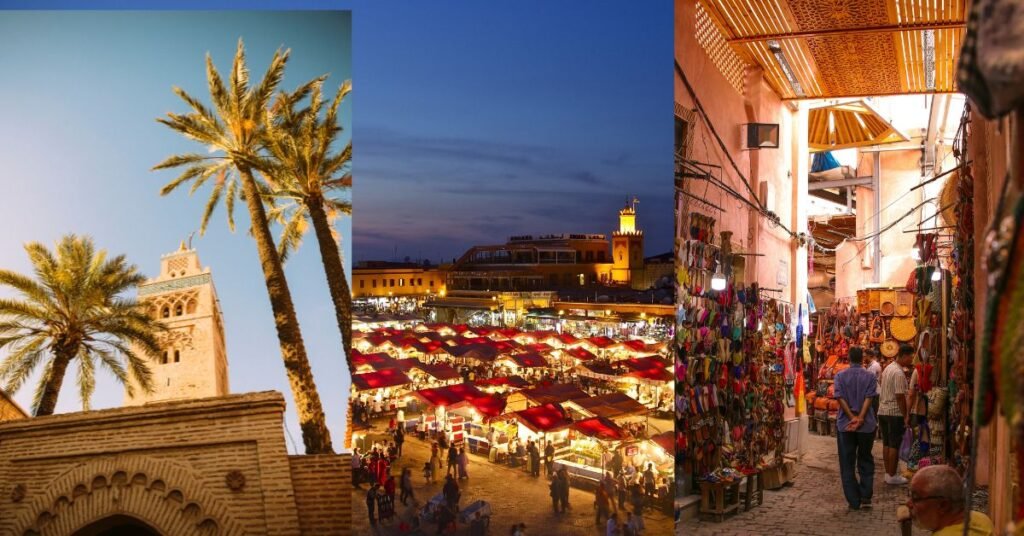
Spend time around Jemaa el-Fnaa, explore the narrow streets of the old medina, and browse traditional crafts. Visit gardens and historic sites that interest you, but remember that opening times and admission fees can vary.
Marrakech can be busy, especially in popular tourist areas. Wear comfortable shoes, carry a little cash, and download an offline map before exploring the medina.
Read more in our Marrakech travel guide.
Fez: A Deeper Look at Moroccan Heritage
Fez is known for its historic medina, traditional craftsmanship, and rich architectural heritage. Its winding streets offer a different experience from the more modern parts of the city.

Consider booking a licensed local guide for your first visit to the medina, especially if you want to understand its history or find particular workshops and landmarks. Agree on the tour details and price before starting.
Fez is a good choice for travelers who enjoy culture, history, traditional markets, and photography.
Chefchaouen: The Famous Blue City
Set in the Rif Mountains, Chefchaouen is known for its blue-painted streets, mountain scenery, and relaxed atmosphere. It is an appealing destination for walking, photography, and exploring small shops.

Allow time to wander beyond the busiest photo spots. The surrounding area also offers nature and hiking opportunities, although weather and trail conditions should be checked before setting out.
Chefchaouen is not directly connected to Morocco’s main rail network, so plan your bus or road transfer in advance.
Sahara Desert: An Unforgettable Landscape
A trip to the Sahara can be one of the highlights of a Moroccan adventure. Areas around Merzouga and Erg Chebbi are popular for sand dunes, desert landscapes, guided excursions, and overnight camp experiences.
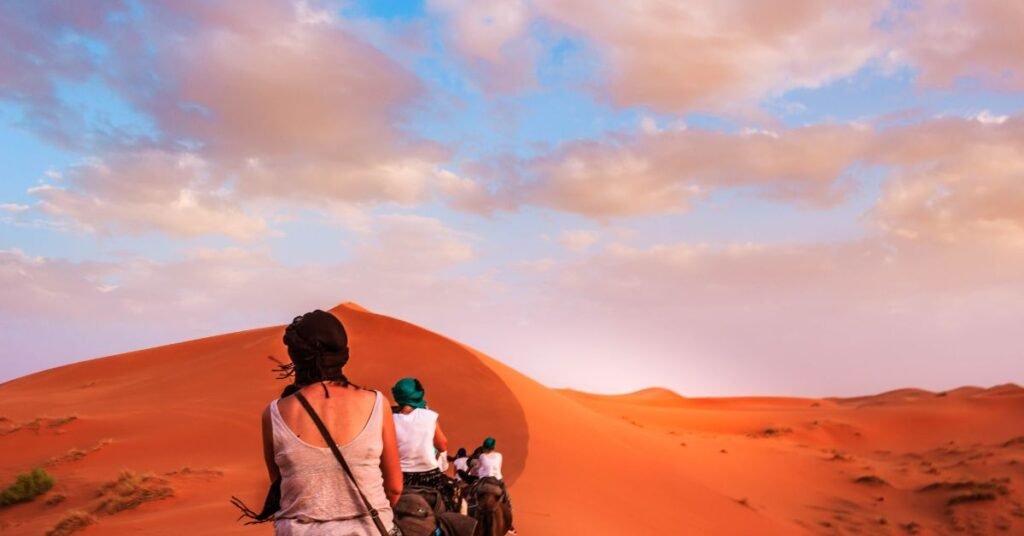
Remember that getting to the desert usually requires a significant amount of travel time. A tour may include transportation, meals, a guide, and accommodation, but the package details differ.
Before booking, check exactly what is included, how long the driving days will be, the camp facilities, and whether activities cost extra. Bring sun protection for the day and warm layers for the evening.
Essaouira: Coastal Charm and Fresh Seafood
Essaouira offers a refreshing change of pace, with its Atlantic coastline, historic ramparts, medina, and fishing harbor. It is a good choice for travelers looking for ocean views and a more relaxed atmosphere.

You can explore the old town, browse craft shops, enjoy seafood, or take a walk near the beach. Winds can be strong, so pack an extra layer even when the weather looks sunny.
Casablanca and Rabat: Modern Morocco and National History
Casablanca is Morocco’s largest city and an important economic center. It is useful for travelers arriving through its international airport and for those interested in contemporary city life and major architectural landmarks.
Rabat, the capital, combines modern districts with historic sites, gardens, museums, and a coastal setting. It can make a comfortable stop on a route between Casablanca and northern Morocco.
If you have limited time, choose the city that best matches your interests rather than trying to visit every destination on a short trip.
The Atlas Mountains: Villages and Scenic Views
The Atlas Mountains offer opportunities for hiking, scenic drives, and visits to rural communities. Conditions vary with elevation and season, and some routes require a knowledgeable guide or suitable equipment.
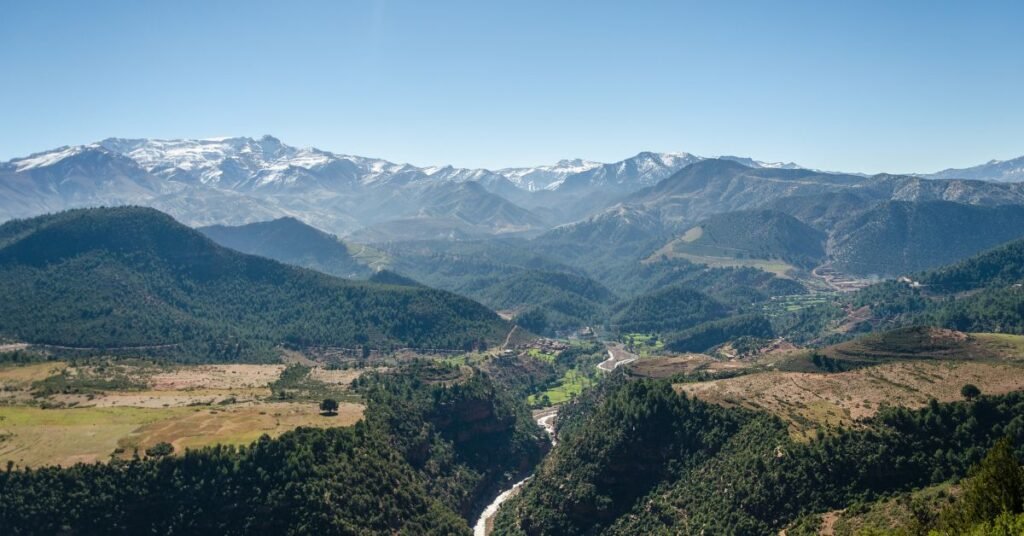 For a short first trip, consider a day excursion from Marrakech. If you want a serious hike or a multi-day mountain journey, research the route, local conditions, guide credentials, and transport arrangements in advance.
3. How Many Days Do You Need in Morocco?
Your ideal trip length depends on how many regions you want to explore.
A 7-Day Morocco Itinerary
For one week, focus on a compact route instead of spending every day traveling.
| Day | Suggested Plan |
|---|---|
| 1 | Arrive in Marrakech and settle into your accommodation |
| 2 | Explore the Marrakech medina and historic sights |
| 3 | Visit gardens, museums, or local neighborhoods |
| 4 | Take a day trip or travel to another nearby destination |
| 5 | Enjoy more time in Marrakech or continue to your next planned stop |
| 6 | Explore at a relaxed pace, with time for food and shopping |
| 7 | Return to your departure airport |
This is a flexible example rather than a fixed route. If you prefer coastal scenery, you could build a week around Marrakech and Essaouira. If historical cities interest you most, you could plan a separate northern itinerary around Fez and Rabat.
A 10- to 14-Day Morocco Itinerary
With more time, you can combine several regions. One possible route is:
- Marrakech: begin with the medina, souks, and historic landmarks
- Aït Ben Haddou and Ouarzazate: explore the kasbahs and southern landscapes
- Merzouga: allow time for the Erg Chebbi dunes and a desert stay
- Fes: discover the historic medina and traditional crafts
- Chefchaouen: enjoy the blue-painted streets and Rif Mountain setting
- Rabat or Casablanca: finish with coastal scenery and onward transport
This itinerary involves considerable travel. Check actual journey times and transportation schedules before reserving accommodation. If you prefer slower travel, remove one or two stops and spend longer in each destination.
4. How to Get Around Morocco
Morocco has several ways to travel between cities and explore local neighborhoods. The best option depends on your route, budget, comfort, and available time.
Trains Between Major Cities
Trains are a convenient choice for many journeys connecting cities such as Casablanca, Rabat, Fez, Tangier, and Marrakech. High-speed services operate on part of the network, including the Tangier–Casablanca route.
Check schedules, fares, and station locations on the official ONCF ticket website. Book ahead when your dates are fixed, particularly during busy travel periods.
Not every destination has a train station, so you may need a bus or taxi for the final part of your journey.
Intercity Buses
Buses connect many towns and regions that are not served directly by trains. They can be useful for reaching destinations such as Chefchaouen or other areas outside the main rail network.
Compare departure stations, luggage allowances, journey times, and ticket conditions. Check CTM and the Moroccan National Tourist Office transportation guide when planning your route.
Taxis and Local Transportation
Small taxis are commonly used for short journeys within cities. Ask about the meter before starting, or agree clearly on the fare where a meter is not being used.
For airport transfers or late arrivals, confirm the pickup arrangements and price in advance. Use recognizable, authorized transport services and avoid getting into an unmarked vehicle simply because someone approaches you at the airport.
Should You Rent a Car?
A rental car can be useful when visiting remote locations, traveling with family, or following a flexible road-trip route. However, parking, fuel, tolls, insurance, and unfamiliar roads can add expense.
For a first trip focused on major cities, trains, buses, and occasional transfers may be easier. If you rent a car, check your driving documents, insurance coverage, road conditions, and local parking rules.
5. What Should You Know About Moroccan Food?
Food is one of the most enjoyable parts of visiting Morocco. Traditional dishes combine spices, fresh ingredients, bread, vegetables, and meats in ways that vary by region and household.
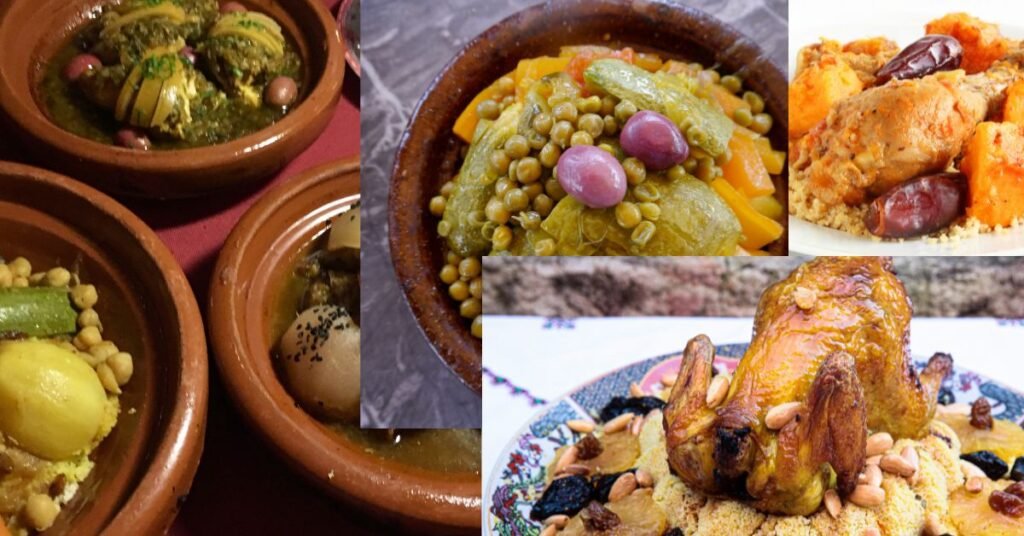
Try tagine, couscous, harira soup, grilled foods, Moroccan salads, fresh bread, and mint tea. If you enjoy sweets, look for local pastries and treats in bakeries and markets.
Tips for Eating Well
- Choose busy restaurants with a steady flow of local customers
- Try freshly prepared tagines, couscous, harira, and grilled dishes
- Check menu prices before ordering, especially in busy tourist areas
- Drink sealed bottled water if you are unsure about local water quality
- Tell staff clearly about allergies or dietary requirements
If you are invited to share a meal, a polite greeting and appreciation for the food go a long way. Moroccan hospitality is an important part of the travel experience.
6. Money and Budget Tips for Morocco
The Moroccan dirham (MAD) is the local currency. ATMs are available in many cities, and some hotels, restaurants, and shops accept international cards. However, smaller establishments and market vendors may prefer cash.
Avoid relying entirely on a bank card. Carry a reasonable amount of cash for small purchases, taxis, snacks, and places that do not accept cards.
Practical Ways to Manage Your Spending
Check bank fees. Find out whether your bank charges foreign transaction fees or ATM withdrawal fees.
Compare exchange options. Use legitimate banks or authorized exchange offices and keep your receipt. Avoid informal money exchanges.
Agree on prices clearly. Confirm the price of taxis, tours, and purchases before committing, particularly when the amount is not displayed.
Budget for transfers and activities. A low room rate may not be the best value if the property is far from the attractions you plan to visit.
Do not exchange more than you need. The dirham is not freely convertible in the same way as many major currencies. Check official guidance on exchanging unused money before departure.
For updated practical information, consult the official Morocco travel formalities and payment guide.
7. What Should You Wear in Morocco?
Morocco has diverse communities and modern cities as well as traditional neighborhoods. You will see different styles of clothing, but choosing comfortable, respectful outfits is a sensible approach, particularly when visiting rural areas or religious and historic sites.
Lightweight shirts, trousers, long skirts, comfortable walking shoes, and breathable layers are useful for many itineraries. Bring sun protection, and include a warmer layer for cool evenings, mountain destinations, and desert nights.
Swimwear is suitable at beaches and designated pools. When exploring towns or entering religious sites that permit visitors, follow local expectations and any posted dress requirements.
You do not need a completely different wardrobe for Morocco. Aim for practical clothing that suits the weather and setting, and pack according to the regions you intend to visit.
8. Cultural Etiquette: Simple Tips for a Better Experience
Understanding a few local customs can help you feel more comfortable and interact respectfully.
Learn a Few Useful Words
Arabic and Amazigh are Morocco’s official languages, and French is widely used in many settings. English is common in some tourist businesses, but not everyone will speak it.
These simple greetings can be useful:
- Salam alaykum: Hello / peace be upon you
- Shukran: Thank you
- Afak: Please
- La, shukran: No, thank you
- Bslama: Goodbye
A friendly greeting is often appreciated, even if your pronunciation is not perfect.
Ask Before Taking Photos
Be considerate when photographing people, market stalls, workshops, or private spaces. Ask permission before taking close-up photos of someone, and respect their answer.
Avoid photographing sensitive government, military, or security-related locations. When in doubt, do not take the picture.
Be Respectful During Ramadan
During Ramadan, many Muslims fast from dawn to sunset. Opening hours and meal schedules can change, particularly in the daytime.
Visitors can still travel and eat, but it is considerate to be discreet when eating or drinking in public around people who are fasting. Confirm restaurant hours before heading out, especially outside major tourist areas.
Bargain Politely
Bargaining is common in some traditional markets, but not every shop uses the same pricing approach. Ask the price, decide what you are comfortable paying, and negotiate politely. If you do not wish to buy something, decline respectfully and move on.
9. Is Morocco Safe for First-Time Visitors?
Many travelers visit Morocco without serious problems, but no destination is risk-free. A little preparation can help you reduce common travel risks.
Before departure, read your government’s latest travel advice. The U.S. Department of State Morocco travel advisory provides current guidance for American travelers.
Protect Your Belongings
Pickpocketing and bag theft can happen in crowded markets, busy tourist areas, and on public transportation. Keep your phone and wallet secure, avoid displaying expensive valuables, and be especially attentive in dense crowds.
Be Careful With Unsolicited Guide Offers
In busy medinas, someone may offer to guide you to a destination or shop. If you want a guide, arrange one through a reputable provider or your accommodation and confirm the price and scope of the service first.
Use a downloaded map or ask your accommodation for clear directions when you want to explore independently.
Plan Your Evenings
Use well-lit routes, keep an eye on your surroundings, and arrange transport if you are unfamiliar with the area. When traveling alone, let someone you trust know your itinerary and expected arrival times.
Choose Reputable Tours
For mountain treks, desert excursions, and other adventure activities, check the provider’s experience, equipment, safety arrangements, and what’s included in the price. Travel insurance should match the activities you plan to undertake.
These are practical precautions, not reasons to avoid experiencing the country. With sensible planning and awareness, you can explore Morocco more confidently.
10. Entry Requirements and Essential Travel Preparation
Entry requirements depend on your nationality, passport, and the purpose and length of your visit. Check official rules before purchasing non-refundable flights.
For U.S. citizens, the U.S. Department of State currently states that a tourist visa is not required for visits of 90 days or less. It also specifies passport validity requirements, including at least six months’ validity at entry and a blank page for each entry stamp. Travelers of other nationalities should verify their own requirements through official channels.
Start with the U.S. Department of State Morocco page or the Moroccan National Tourist Office formalities guide. Check for updates close to departure.
Before leaving home, prepare the following:
- Check passport validity and entry requirements for your nationality
- Arrange suitable travel insurance and keep emergency details accessible
- Save accommodation and transport confirmations offline
- Download offline maps and keep important addresses in writing
- Bring any personal medication in its original packaging
- Carry a small amount of Moroccan dirhams for initial expenses
If you plan to travel into remote mountain or desert areas, review transport options and expected weather conditions in advance.
Frequently Asked Questions About Visiting Morocco
Is Morocco a good destination for first-time international travelers?
Morocco can be an excellent destination for first-time international travelers who plan their route carefully. The main cities offer accommodation, transport, restaurants, and guided activities for a range of budgets. Start with a manageable itinerary and arrange transfers for any remote destinations.
How many days are enough for Morocco?
Seven days can be enough for one region or a few nearby destinations. Ten to fourteen days give you more flexibility to combine several cities and landscapes, including the mountains or desert. If you want to see many regions at a relaxed pace, allow more time.
What is the best city to visit first in Morocco?
Marrakech is a popular first stop because of its historic medina, gardens, food, and range of accommodation. Casablanca may be practical for an international arrival, while Fez or Rabat can be better starting points for a history-focused or northern itinerary. Choose according to your flights and interests.
Can you get around Morocco without renting a car?
Yes. Trains connect several major cities, and intercity buses serve many additional destinations. You can use taxis for local journeys and book organized excursions where needed. A rental car is most useful when your plans include remote places or a flexible road trip.
Do people speak English in Morocco?
English is spoken in many tourist-facing businesses, particularly in popular destinations, but it is not universal. Arabic and Amazigh are the official languages, and French is widely used in many urban and commercial settings. Learning a few greetings can make everyday interactions easier.
What should first-time visitors avoid in Morocco?
Avoid ignoring local customs, carrying all your money in one place, accepting unclear tour or taxi prices, and planning unrealistic travel days. Be cautious with unsolicited guiding offers, protect your valuables in crowded places, and check current travel advice before departure.
Is Morocco expensive to visit?
Morocco can suit different budgets. Your main costs will depend on airfare, accommodation, transport, and paid excursions. Local food, guesthouses, public transport, and a focused itinerary can help you keep spending under control.
Final Thoughts: Plan Your First Morocco Trip With Confidence
Morocco is much more than a collection of famous sights. It is a place to discover lively markets, historic medinas, delicious food, mountain landscapes, coastal towns, and the changing scenery of the south.
The key to a successful first visit is to plan around your interests instead of trying to see everything at once. Choose a few destinations, allow enough time for transportation, learn a little about local customs, and keep your itinerary flexible.
Whether you spend a week discovering Marrakech or two weeks traveling between historic cities, mountains, and the desert, thoughtful preparation can help you make the most of your experience.
Ready to plan your journey? Explore more destination guides and practical travel itineraries on AtlasRound to choose where to go next and build a Morocco trip that fits your interests, schedule, and budget.
 <