
The Ultimate 2-Week Morocco Itinerary: A Complete 14-Day Guide (2026)
Plan the ultimate 2-week Morocco itinerary with a practical 14-day route through Marrakech, Fes, Chefchaouen, the Sahara Desert, and the Atlas Mountains.

Imagine wandering through the colorful souks of Marrakech, exploring the ancient streets of Fes, photographing Chefchaouen’s famous blue buildings, and watching the sunset over the golden dunes of the Sahara Desert. In just two weeks, Morocco can take you from lively historic cities to dramatic mountains, peaceful villages, and unforgettable desert landscapes.
The challenge is deciding where to go without spending your entire vacation on the road.
This 2-week Morocco itinerary helps you discover the country’s highlights in a logical order, with time for cultural experiences, local food, historic landmarks, and beautiful scenery. It is designed for first-time visitors who want to experience several sides of Morocco without trying to visit every destination in a single trip.
The route begins in Casablanca, continues through Rabat, Chefchaouen, and Fes, then crosses the Middle Atlas toward the Sahara before finishing in Marrakech.
Before you book, read our Morocco travel guide for first-time visitors for essential planning advice, and see our budget guide to visiting Morocco from the USA.
For the most convenient flights, consider arriving in Casablanca and departing from Marrakech. This open-jaw arrangement can reduce backtracking, although you should compare ticket prices before booking.
Your 2-Week Morocco Itinerary at a Glance
| Day | Destination | Main Experience |
|---|---|---|
| 1 | Casablanca | Arrival and city introduction |
| 2 | Rabat | Historic landmarks and coastal atmosphere |
| 3 | Travel to Chefchaouen | Scenic journey to the blue city |
| 4 | Chefchaouen | Blue streets and mountain views |
| 5 | Fes | Travel to Morocco’s historic cultural center |
| 6 | Fes | Explore the ancient medina |
| 7 | Midelt | Journey through the Middle Atlas |
| 8 | Merzouga | Reach the Sahara Desert |
| 9 | Merzouga | Dunes, desert experiences, and overnight camp |
| 10 | Dades Valley | Explore the Todra Gorge and southern landscapes |
| 11 | Ouarzazate | Kasbahs and Ait Ben Haddou |
| 12 | Marrakech | Cross the High Atlas Mountains |
| 13 | Marrakech | Souks, gardens, architecture, and food |
| 14 | Departure | Travel home from Marrakech |
This is an ambitious route with several long travel days, particularly between Fes, Merzouga, and the southern valleys. If you prefer a slower vacation, use the alternative itinerary near the end of this guide.
Days 1–2: Discover Casablanca and Rabat
Day 1: Arrive in Casablanca
Your Moroccan adventure begins in Casablanca, the country’s largest city and an important international gateway.
After arriving at Mohammed V International Airport, transfer to your accommodation, settle in, and take time to recover from your flight. Depending on your arrival time, you may have an opportunity to explore part of the city.
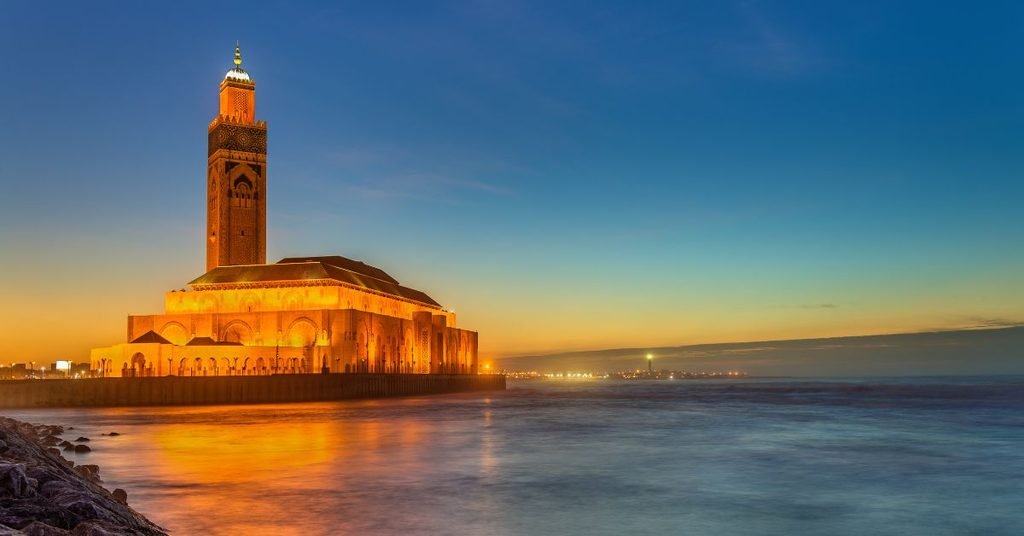
One of Casablanca’s best-known landmarks is the Hassan II Mosque, celebrated for its impressive architecture and location beside the Atlantic Ocean. Check the official visiting arrangements and tour schedule before planning your visit.
You can also explore the Corniche, walk along the waterfront, or enjoy your first Moroccan meal at a local restaurant.
Where to stay: Choose accommodation with convenient access to your arrival transport and the places you plan to visit.
Travel tip: Do not fill your first day with too many activities. Allow time for immigration, luggage collection, transfers, and possible flight delays.
Day 2: Explore Rabat, Morocco’s Capital
Travel from Casablanca to Rabat, a practical next stop on your route. Trains connect the two cities, but check your departure station, arrival station, and current timetable through the official ONCF website.
Rabat offers a more relaxed introduction to Morocco’s historic landmarks and modern urban life.
Start with the Kasbah of the Udayas, known for its narrow streets, distinctive architecture, and views toward the Atlantic. Continue to the Hassan Tower and the Mausoleum of Mohammed V, two important landmarks that help introduce Morocco’s history.
Depending on your schedule, you can explore the old medina or relax at a café before preparing for the journey north.
Where to stay: Spend the night in Rabat so that you can leave early for Chefchaouen the next day.
Days 3–4: Discover Chefchaouen, the Blue City
Day 3: Travel to Chefchaouen
Today is mainly a travel day.
One option is to take a train toward Tangier and arrange onward transportation to Chefchaouen. Another option is a direct road transfer, depending on your budget and departure point.
The journey can take several hours, so compare the complete route rather than choosing transport based only on its advertised departure time.
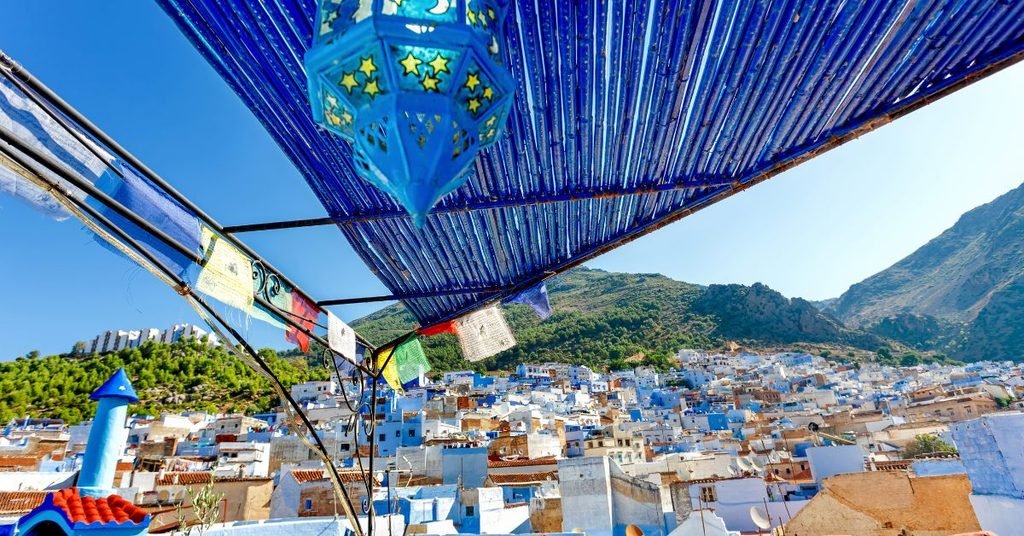
After checking into your accommodation, enjoy a relaxed walk through the town if you arrive early enough. The blue-painted buildings, small squares, craft shops, and mountain setting make Chefchaouen feel different from Morocco’s larger cities.
Day 4: Explore the Blue Streets and Rif Mountains
Chefchaouen is an ideal place to slow down and explore on foot.
Start your morning in the medina, when the streets are often quieter. Walk through narrow alleys, admire painted doorways, and browse small shops selling textiles, pottery, and local crafts.
You do not need a strict sightseeing schedule here. Some of the best moments come from discovering a quiet courtyard, enjoying mint tea, or finding a viewpoint overlooking the town.
In the afternoon, consider visiting a suitable nearby viewpoint or taking a short walk in the surrounding area if the weather and your fitness level allow.
Travel tip: Chefchaouen is built on a hillside, so expect uneven paths and stairs. Comfortable walking shoes will make exploring much easier.
Where to stay: Choose a riad or guesthouse within walking distance of the medina, taking luggage access and stairs into consideration.
Days 5–6: Experience the Historic City of Fes
Day 5: Travel to Fes
Leave Chefchaouen and continue to Fes by bus or arranged road transfer. Confirm the schedule in advance, especially if you are traveling during a busy period.
Once you arrive, check into your accommodation and enjoy a relaxed evening. A local restaurant is a good place to try Moroccan dishes such as tagine, harira soup, or freshly baked bread.
Fes has a rich cultural heritage, and its historic medina is one of the main reasons travelers visit the city. Two nights give you time to explore without having to rush through every landmark.
Day 6: Explore the Fes Medina
Spend a full day discovering Fes el-Bali, the old medina known for its winding lanes, traditional workshops, historic buildings, and busy markets.
A licensed local guide can help you understand the city’s history and navigate its complicated street layout. If you prefer independent exploration, download a map in advance and identify your accommodation so that you can find your way back.
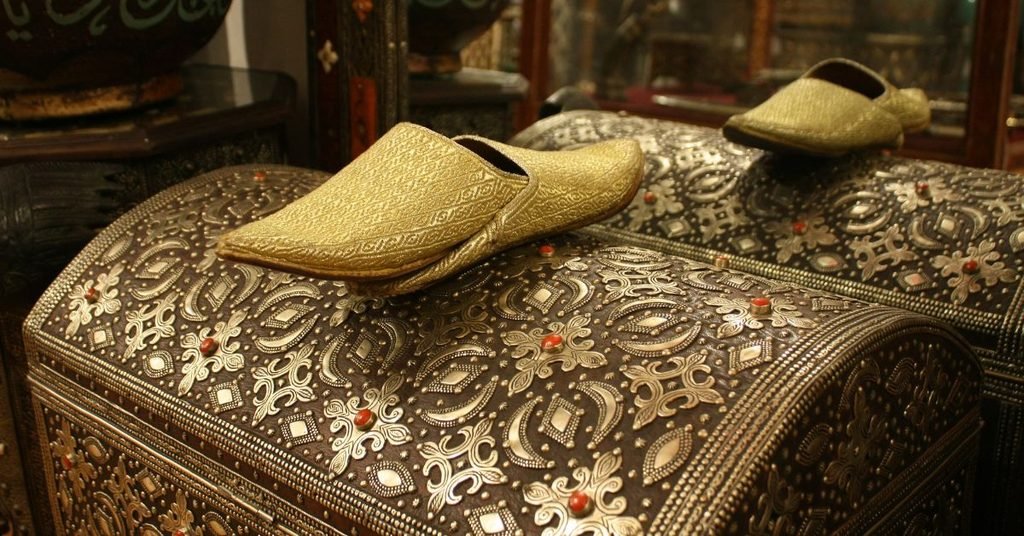
As you walk through the medina, you may discover traditional metalwork, ceramics, leather goods, and other crafts made by local artisans.
You can also visit historic religious or educational buildings where public access is permitted. Check current entrance arrangements rather than assuming every historic site is open to visitors.
In the afternoon, leave time for a leisurely meal or a café stop. Fes rewards travelers who slow down and pay attention to its architecture and everyday life.
Where to stay: A traditional riad in or near the medina can provide an atmospheric experience. If you have large suitcases or prefer easier vehicle access, accommodation outside the narrowest streets may be more practical.
Photo opportunity: Capture the medina’s architecture and bustling streets, but always ask permission before taking close-up photos of people.
Day 7: Cross the Middle Atlas to Midelt
Leave Fes and head toward Midelt, a town situated between the Middle Atlas and High Atlas mountain regions.
This journey is about experiencing Morocco’s changing landscapes. Depending on your route, you may travel through Ifrane and areas known for cedar forests and mountain scenery.
Ifrane has a different architectural style from Morocco’s traditional medinas, while the surrounding mountain region offers a glimpse of a greener side of the country.
Plan stops with your driver or tour operator rather than trying to visit everything along the way. Mountain roads, weather, and road conditions can affect journey times.
After arriving in Midelt, check into your accommodation, enjoy dinner, and rest before continuing toward the desert.
Why stay overnight? Breaking the journey helps reduce the pressure of traveling directly from Fes to Merzouga in a single long day.
Days 8–9: Experience the Sahara Desert in Merzouga
Day 8: Travel to Merzouga
Continue south toward Merzouga, the gateway to the famous Erg Chebbi dunes.
The journey usually includes long stretches of road and may pass through towns and landscapes that become increasingly arid as you approach the Sahara.
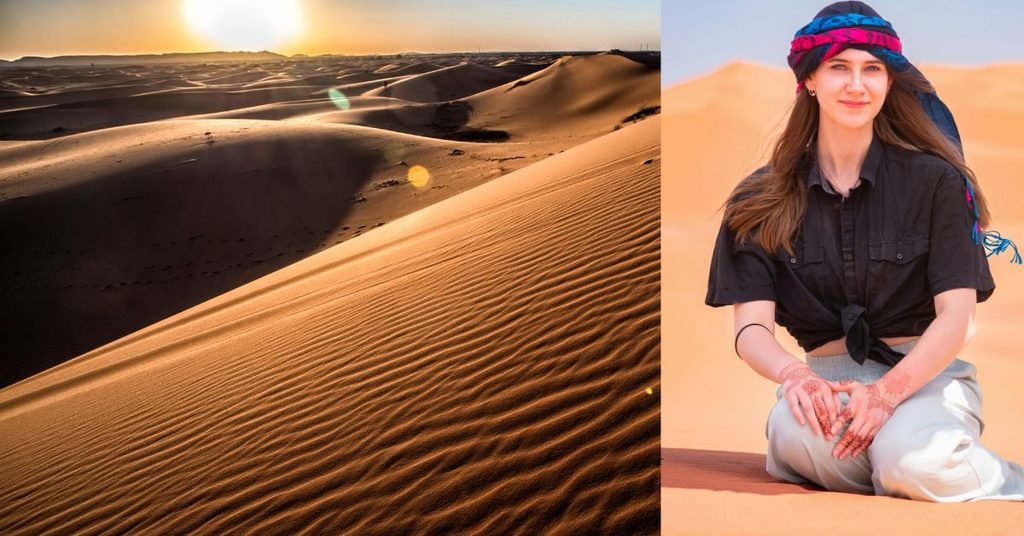
Arrive, check into your accommodation, and prepare for your desert experience. Depending on your arrival time and the arrangement you choose, you may be able to enjoy sunset views near the dunes.
Merzouga is not simply a place to take photographs. It offers an opportunity to experience a very different environment from Morocco’s cities and mountains.
Where to stay: Choose between a guesthouse near the dunes and a desert camp. Confirm the location, facilities, transfer arrangements, and meals before booking.
Day 9: Explore Erg Chebbi and Spend a Night in the Desert
Give yourself a full day to experience the desert rather than treating it as a quick stop.
Depending on local conditions and your preferences, activities may include a guided excursion, a walk on the dunes, or an arranged desert experience at sunset.
An overnight camp can be a memorable part of your itinerary. As evening approaches, enjoy the changing colors of the dunes and the quiet atmosphere after sunset. Some camps offer dinner and music, but the experience varies from one operator to another.
Before booking, check exactly what the package includes:
- Accommodation: confirm the type of camp or hotel and whether private facilities are included
- Meals: check which meals are provided and whether drinking water is available
- Transport: confirm pickup and drop-off locations, vehicle type, and transfer duration
- Activities: ask whether camel rides, 4×4 excursions, and guided visits are included
- Camp facilities: check bathroom arrangements, bedding, heating, and electricity
- Extra costs: confirm entrance fees, tips, and any optional activities before booking
Bring sun protection for the day, comfortable closed shoes for walking on sand, and warm layers for the evening. Desert nights can be much cooler than daytime temperatures, depending on the season.
Responsible travel tip: Follow local guidance, avoid leaving litter behind, and choose operators that treat the desert environment and local communities respectfully.
Day 10: Explore Todra Gorge and the Dades Valley
Leave Merzouga and continue toward the Dades Valley, allowing time for scenic stops along the way.
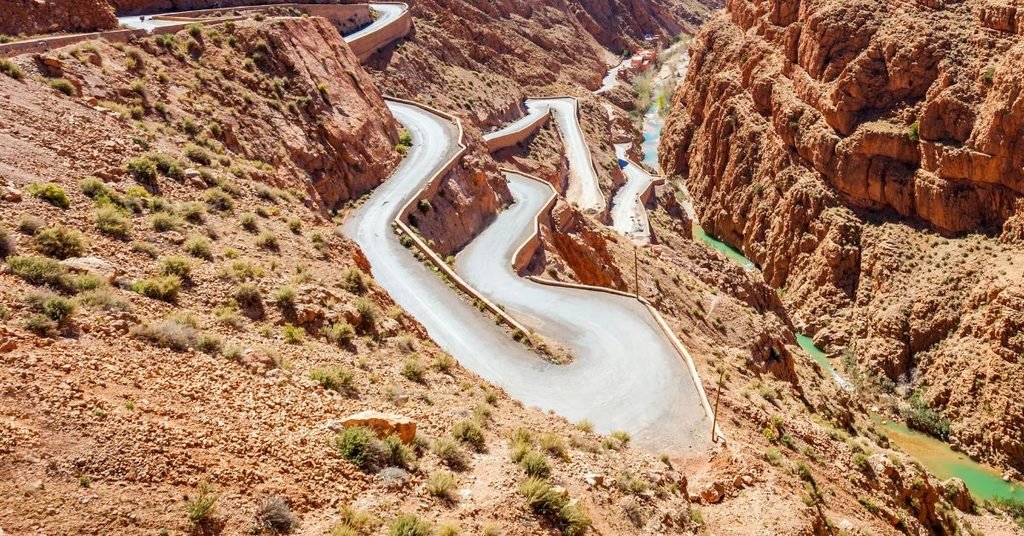
One highlight of this route is the Todra Gorge, where steep rock walls rise above a narrow valley. It is a striking place for photography, a short walk, and a break from the long drive.
Continue toward the Dades Valley, known for its dramatic rock formations, winding roads, and mountain landscapes.
This day involves considerable travel, especially if you want to stop at several viewpoints. Discuss the timing with your driver and avoid scheduling more activities than daylight realistically allows.
After arriving, enjoy a relaxed evening at a guesthouse or small hotel in the valley.
Where to stay: A countryside guesthouse can provide a quieter experience and make an early start the next day easier.
Day 11: Visit Ouarzazate and Ait Ben Haddou
Continue west toward Ouarzazate, a city often associated with southern Morocco’s kasbahs and cinematic landscapes.

The main highlight is Ait Ben Haddou, a historic fortified settlement known for its earthen architecture. Its distinctive buildings and setting make it one of the most recognizable places along this route.
Allow enough time to walk around the site respectfully, take photographs, and understand why traditional earthen construction is so well adapted to its environment.
Depending on your interests and schedule, you can also explore Ouarzazate or visit a local cultural attraction.
Check opening arrangements and any admission fees before you go. If you have hired a driver, agree on the stop duration and any extra charges in advance.
Spend the night in Ouarzazate or nearby, which will make the following journey to Marrakech more manageable.
Day 12: Cross the High Atlas Mountains to Marrakech
Today, travel from Ouarzazate to Marrakech through the High Atlas region.
The road journey is scenic, but it involves mountain roads and can take several hours. The precise duration depends on weather, traffic, road conditions, and the number of stops you make.
If you are driving yourself, check road conditions before departure and avoid rushing through mountain passes. An experienced local driver can make the journey easier if you are unfamiliar with the route.
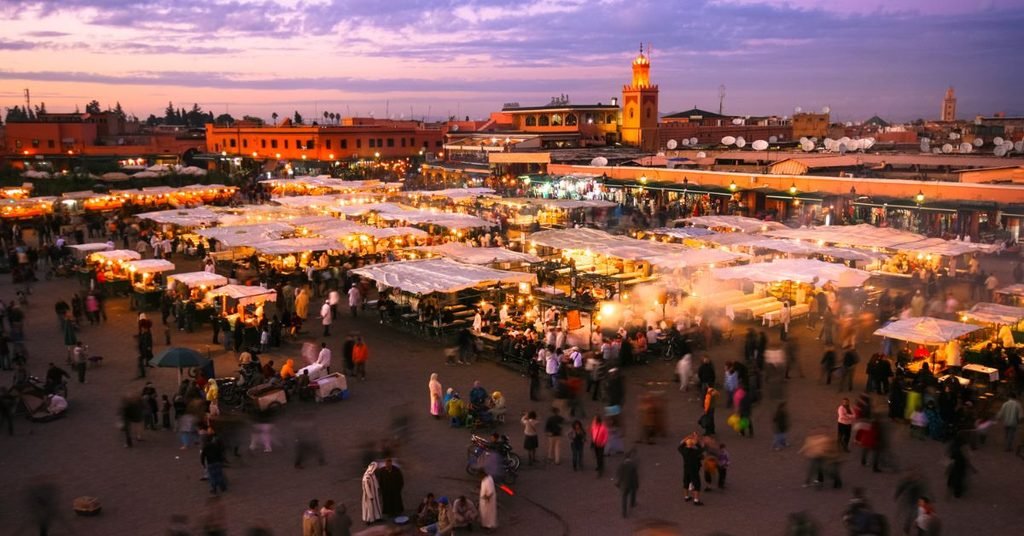
After arriving in Marrakech, check into your accommodation and enjoy a relaxed evening. If you have the energy, visit Jemaa el-Fnaa square and take in the lively atmosphere of the medina.
Where to stay: A riad near the medina is ideal for walking to many major attractions. Travelers who prioritize vehicle access may prefer accommodation on a more accessible street outside the old town.
Day 13: Discover Marrakech
After several days on the road, dedicate a full day to exploring Marrakech.
Morning: Explore the Medina
Begin with the traditional souks and historic streets of the old medina. Browse handmade goods, textiles, lanterns, and ceramics, and take your time observing the activity around you.
If shopping, agree on the price before making a purchase. You can enjoy the atmosphere of the markets without feeling obliged to buy anything.
Afternoon: Visit Gardens or Historic Attractions
Choose one or two attractions based on your interests. Marrakech has historic architecture, museums, gardens, and cultural sites that offer different perspectives on the city.
Confirm opening times and ticket arrangements in advance. Popular attractions may require advance booking during busy periods.
Evening: Enjoy Moroccan Food
Finish your day with a relaxed meal. You could try a traditional tagine, couscous, or a selection of Moroccan salads.
Jemaa el-Fnaa is particularly lively in the evening, when food stalls and performers contribute to the square’s famous atmosphere. Check prices before ordering and choose food vendors with good hygiene practices.
Travel tip: You cannot see everything in one day, so select a few priorities and leave time for wandering.
Day 14: Departure From Marrakech
Use your final morning to enjoy breakfast, buy last-minute souvenirs, or take a short walk if your flight schedule allows.
Leave enough time to reach Marrakech Menara Airport. Confirm your departure terminal, transportation arrangements, and check-in requirements before leaving your accommodation.
If your return flight departs from Casablanca instead, allow sufficient time for the journey from Marrakech and consider traveling the day before. A long transfer on the same day as an international flight can be risky if delays occur.
Your two weeks will have taken you through historic cities, mountain scenery, desert landscapes, and one of Morocco’s most famous cultural centers. You will have seen several sides of the country without having to fit every possible destination into a single visit.
How Much Does a 2-Week Morocco Itinerary Cost?
Your total cost depends on your departure city, season, accommodation choices, transport arrangements, and the activities you select.
Use the following as a planning framework, not a live quotation.
| Expense | What to Budget For |
|---|---|
| International flights | Round-trip or open-jaw airfare |
| Accommodation | 13 nights, with room prices varying by destination and season |
| Food and drinks | Breakfast, lunch, dinner, and refreshments |
| Transport between cities | Trains, buses, private transfers, or a guided tour |
| Sahara experience | Desert transfer, camp accommodation, and meals |
| Entrance fees and activities | Museums, historic sites, gardens, and guided visits |
| Other expenses | Travel insurance, mobile data, tips, shopping, and emergency funds |
Tips for Keeping the Trip Affordable
Compare flights carefully. Check whether arriving in Casablanca and departing from Marrakech costs less overall than a return ticket to one airport.
Use trains where practical. Trains can be convenient between connected cities. Check routes and schedules through the official ONCF booking website.
Compare bus options. For destinations not served directly by train, check routes and ticket conditions on CTM.
Compare complete desert tour packages. A tour that includes transport, accommodation, and meals may offer better value than paying for each service separately. Read the details rather than choosing solely by the advertised price.
Book accommodation according to your route. A convenient location may save money on taxis and transfers, even when the room costs slightly more.
Avoid too many one-night stops. Every change of accommodation takes time, and repeated transfers can add up. If you want a more relaxed trip, remove a destination rather than squeezing everything into the same two weeks.
Practical Tips Before You Visit Morocco
Check Entry Requirements
Entry requirements depend on your nationality, passport, and planned length of stay. Confirm the latest requirements through official government or Moroccan sources before booking non-refundable travel.
Travelers from the United States can consult the U.S. Department of State’s Morocco travel information. The page also provides current safety guidance and practical advice for American visitors.
Pack for Different Climates
Morocco’s climate varies considerably by region and season. A trip that combines the coast, mountains, and desert may involve very different temperatures.
Pack comfortable walking shoes, breathable clothing, sun protection, and a warmer layer for cool evenings. If you are traveling to the mountains or sleeping in the desert, check the forecast and pack accordingly.
Carry Cash and a Payment Card
Morocco uses the Moroccan dirham (MAD). Cards are accepted by many hotels and larger businesses, but small shops, markets, and some taxis may prefer cash.
Check your bank’s foreign transaction and ATM fees, and keep your cash and cards in separate places.
Respect Local Customs
A friendly greeting and respectful approach go a long way. Ask permission before photographing people, confirm prices before accepting services, and choose clothing suitable for the places you visit.
In busy medinas, protect your valuables and be cautious with unsolicited guide offers. If you would like a guided experience, arrange it through a reputable provider and agree on the price and itinerary beforehand.
Check Current Travel Advice
Before departure, review your government’s latest travel advisory and any updates on local conditions. The U.S. Department of State currently lists Morocco at Level 2, advising travelers to exercise increased caution; the advisory includes information about terrorism risks and other safety considerations.
Read the full Morocco Travel Advisory before departure and follow local guidance during your visit.
An Alternative 2-Week Morocco Itinerary for a Slower Trip
The main itinerary covers many different regions, but it includes several long journeys. If you prefer spending more time in each place, consider simplifying the route.
One option is to focus on Marrakech, the Atlas Mountains, the Sahara, the Dades Valley, and Ouarzazate. This allows you to experience southern Morocco without traveling all the way north to Chefchaouen and Fes.
Another option is to focus on Casablanca, Rabat, Chefchaouen, Fes, Meknes, and Tangier. This route emphasizes historic cities, architecture, and northern landscapes while avoiding the long desert transfer.
If coastal scenery is a priority, you could replace Chefchaouen or another northern stop with Essaouira. Allow enough time for the road journey and avoid planning a tight connection between Essaouira and an international departure.
The Moroccan National Tourist Office’s suggested two-week tour offers another reference for travelers who want to combine different landscapes and regions.
Frequently Asked Questions
Is 2 weeks enough to explore Morocco?
Two weeks is enough to visit several major destinations, including historic cities, the Sahara Desert, mountain regions, and Marrakech. However, you will not be able to explore every region in depth. Choosing a logical route and allowing time for long transfers will make the trip more enjoyable.
What is the best 2-week Morocco itinerary for first-time visitors?
A classic route combines Casablanca, Rabat, Chefchaouen, Fes, the Middle Atlas, Merzouga, the Dades Valley, Ouarzazate, and Marrakech. It offers a diverse introduction to Moroccan culture, landscapes, and history.
Should you visit the Sahara Desert during a two-week trip?
The Sahara is worth considering if desert landscapes are a priority. However, traveling to Merzouga involves significant road time. Plan at least one overnight desert experience and allow additional time for the journey rather than treating it as a quick day trip from Marrakech.
Is it better to travel around Morocco independently or with a tour?
Both options can work. Independent travel gives you control over your schedule and is practical on many train and bus routes. An organized tour or private transfer can make remote areas and the desert route easier to coordinate. Compare the complete cost, itinerary, and included services before deciding.
What is the best time for a 14-day trip to Morocco?
Spring and autumn are popular options for a route combining cities, mountains, and desert landscapes. Conditions vary by region, so check forecasts and seasonal information for each destination. Summer can be very hot inland, while mountain nights and desert evenings can be cold during cooler months.
Should I book a Sahara desert camp in advance?
Booking ahead is sensible if you have fixed dates, want a particular camp style, or plan to travel in a busy period. Verify the accommodation facilities, transport, meals, and cancellation terms before paying.
Final Thoughts: Make the Most of Two Weeks in Morocco
A well-planned two-week Morocco itinerary can take you from the Atlantic coast to historic medinas, through mountain landscapes, and into the Sahara Desert. Each destination offers a different experience, from the blue streets of Chefchaouen to the lively souks of Marrakech and the vast dunes near Merzouga.
The secret is not trying to do everything. Choose a route that matches your interests, plan the long travel days carefully, and leave room for the unexpected moments that make travel memorable.
Whether you prefer exploring ancient architecture, sampling Moroccan food, photographing desert landscapes, or discovering mountain villages, two weeks can provide an excellent introduction to the country.
Ready to plan your adventure? Explore more Morocco destination guides on AtlasRound and turn your travel ideas into a route that fits your budget, interests, and schedule.