✈︎ Unlock New experience

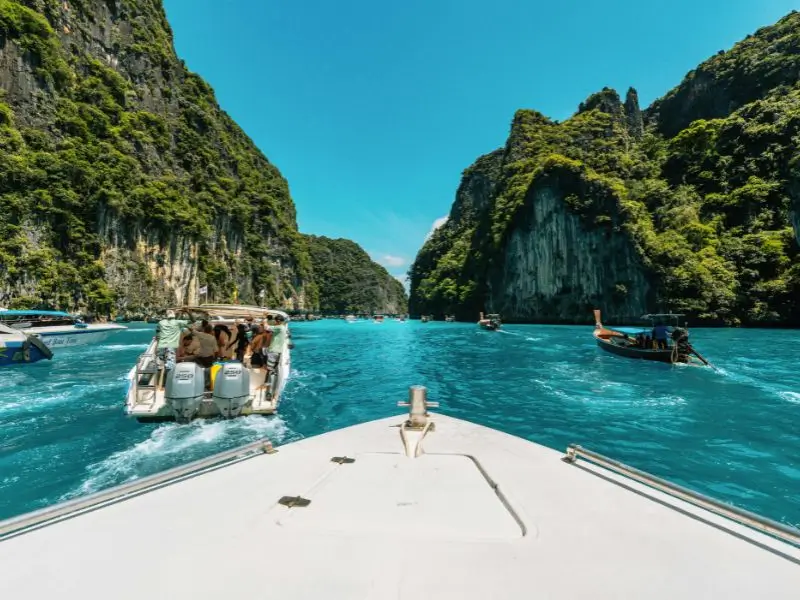
Imagine watching golden temples glow beneath the tropical sun, tasting delicious street food in a lively night market, and sailing across turquoise waters surrounded by dramatic limestone cliffs. In Thailand, every day can bring a completely different adventure.
Known for its beautiful beaches, rich cultural heritage, welcoming atmosphere, flavorful cuisine, and extraordinary landscapes, Thailand is one of Southeast Asia’s most exciting travel destinations. From the energetic streets of Bangkok to the peaceful mountains of Chiang Mai and the spectacular islands of the south, the country offers experiences for almost every type of traveler.
You can explore centuries-old temples, discover ancient capitals, learn the secrets of Thai cooking, observe elephants responsibly, or relax on beaches framed by palm trees and emerald-green hills.
Whether you are planning your first trip to Asia or returning to discover somewhere new, there are countless unforgettable things to do in Thailand. This guide covers 15 experiences worth considering, together with advice on when to visit, how long to stay, and how to plan a memorable journey.
Thailand offers an exceptional variety of experiences within one country. You can spend the morning exploring a historic Buddhist temple, enjoy a bowl of freshly prepared noodles for lunch, and end the day watching the sunset beside the sea.
Its different regions also have distinct personalities. Bangkok combines historic landmarks with modern shopping districts and energetic food markets. Chiang Mai offers northern Thai culture, mountain scenery, and traditional neighborhoods. Ayutthaya and Sukhothai reveal important chapters of the country’s history, while the southern coastline attracts travelers with beaches, islands, and impressive marine landscapes.

Here are some of the reasons Thailand deserves a place on your travel list:
Rich culture: Discover Buddhist temples, traditional crafts, historic sites, and local customs.
Beautiful beaches: Explore tropical coastlines, scenic bays, and islands with clear water when conditions allow.
Exceptional cuisine: Enjoy fragrant curries, noodle dishes, tropical fruits, and delicious street food.
Remarkable nature: Visit rainforests, limestone mountains, waterfalls, and protected national parks.
Memorable adventures: Try snorkeling, kayaking, hiking, cooking classes, and boat trips.
Variety of travel styles: Plan an affordable backpacking journey, a cultural holiday, a family vacation, or a relaxing island escape.
The secret to enjoying Thailand is not trying to see everything at once. Choose a few regions, give yourself time to explore, and allow room for unexpected discoveries.
Your Thailand adventure can begin in Bangkok, the country’s vibrant capital. Among its most famous attractions is the Grand Palace, a remarkable complex of buildings that reflects the country’s royal history and architectural traditions.
Within the palace complex, Wat Phra Kaew, also known as the Temple of the Emerald Buddha, is one of Thailand’s most important sacred sites. Intricate decorative details, colorful roof tiles, golden elements, and carefully designed structures make this a fascinating place to explore.
Take your time as you walk around the complex. Look closely at the elaborate patterns and painted details that might be easy to miss when you are moving too quickly.
Because this is an important religious and cultural site, dress respectfully and follow the official visitor rules. Check opening hours, admission information, and access arrangements before your visit, as conditions may change.
Travel tip: Arrive early to avoid some of the midday heat, and bring water, sun protection, and comfortable walking shoes.
Wat Arun, often called the Temple of Dawn, is one of Bangkok’s most recognizable landmarks. Its impressive central tower, known as a prang, stands beside the Chao Phraya River and is decorated with detailed patterns that reward a closer look.
The temple is especially beautiful when viewed from across the river, where its architecture creates a striking silhouette against the sky. Depending on the time of day and the weather, the surrounding riverfront can provide wonderful opportunities for photography.
You can combine your visit with a river crossing or a wider exploration of Bangkok’s historic districts. The location makes it easy to pair Wat Arun with other major attractions on the same day.
Remember that Wat Arun is an active religious site, so respectful clothing and behavior are important. Check which areas are open to visitors and follow any restrictions.
Best for: Architecture lovers, photographers, couples, and travelers interested in Thai culture.
Another worthwhile Bangkok attraction is Wat Pho, famous for its enormous Reclining Buddha and its longstanding connection with traditional Thai massage.
The reclining statue is an extraordinary sight, with its impressive scale and intricate decorative details. Exploring the temple grounds also gives you a chance to appreciate traditional Thai religious architecture away from the busiest streets.
After sightseeing, you might consider experiencing a traditional Thai massage at a reputable establishment. It can be a relaxing way to rest your legs after a day of walking, although it is worth checking the available treatments and prices before booking.
Allow enough time to enjoy the temple grounds rather than treating the visit as a quick photo stop. As with other temples, remove your shoes where required and respect local rules about clothing and photography.
Travel tip: Combine Wat Pho with the Grand Palace and Wat Arun to make the most of your time in Bangkok’s historic center.
Bangkok can feel intense at street level, but the Chao Phraya River offers a different perspective on the city.
A river journey allows you to see temples, riverside neighborhoods, bridges, hotels, and everyday activities from the water. You may notice how historic landmarks and modern buildings coexist along the riverbanks.
Public river boats can be a practical way to travel between selected waterfront attractions, while organized cruises may provide a more leisurely sightseeing experience.
For a more local perspective, pay attention to the smaller canals and communities that reflect the city’s historical relationship with waterways.
Boat services, routes, and operating schedules vary, so check current information before setting out. Choose a reputable operator and follow safety instructions.
Travel tip: Consider a late-afternoon trip for softer light and attractive river views, but check the weather before booking a longer cruise.
Food is one of the most memorable parts of a trip to Thailand. From bustling Bangkok markets to small restaurants in northern towns, the country’s culinary traditions offer an incredible range of flavors.
Try classic dishes such as Pad Thai, green curry, tom yum soup, papaya salad, mango sticky rice, and regional noodle specialties. Each dish brings its own combination of herbs, spices, textures, and aromas.
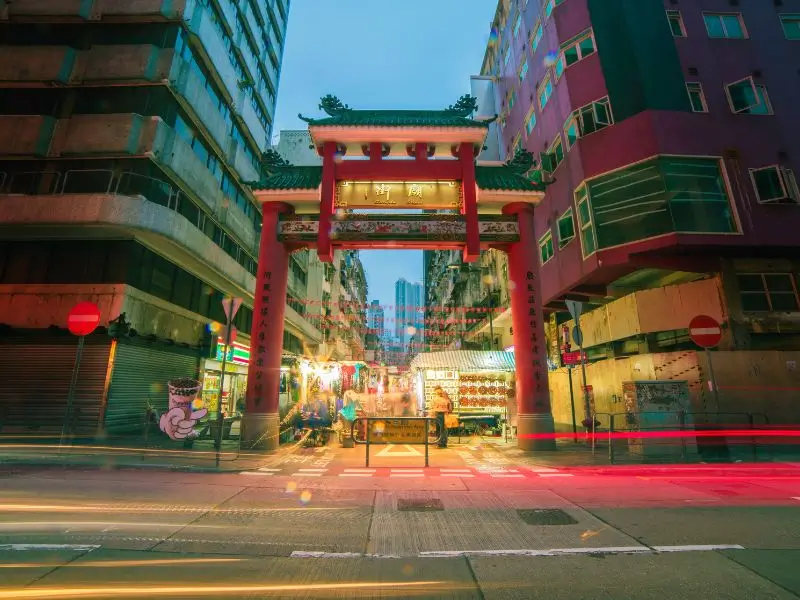
Bangkok’s Chinatown, known as Yaowarat, is a particularly famous area for exploring food stalls and local eateries. Night markets in other destinations offer opportunities to sample snacks, browse handmade products, and experience the atmosphere of an evening in Thailand.
Do not limit yourself to familiar dishes. Ask vendors what is popular locally, and let your curiosity guide you.
If you have allergies or dietary restrictions, communicate them clearly and remember that sauces and cooking oils may contain unexpected ingredients. Choose busy stalls where food is prepared and handled carefully.
Travel tip: Carry some Thai baht for small purchases, and ask about spice levels before ordering if you prefer milder food.
If you are interested in history, visiting Ayutthaya is one of the best things to do in Thailand.
Located north of Bangkok, Ayutthaya was once the capital of the Kingdom of Ayutthaya. Today, its historic remains include temple ruins, monumental structures, and ancient religious sites that offer a glimpse into the city’s former importance.
The Historic City of Ayutthaya is a UNESCO World Heritage Site. According to UNESCO, the city was founded around 1350 and became a major center of regional power, diplomacy, and commerce before it was destroyed in 1767.
Exploring the archaeological area can feel like walking through an open-air history museum. You can admire towering brick structures, weathered Buddha statues, and the remains of magnificent temples.
Many visitors explore the area by bicycle or with local transport between sites. Plan around the heat, carry drinking water, and follow any restrictions designed to protect the ruins.
If you have extra time, sample local specialties in town as well. Ayutthaya is known for dishes and desserts that complement its historical attractions.
Travel tip: A day trip from Bangkok is possible, but staying overnight allows you to explore at a more relaxed pace.
In northern Thailand, Chiang Mai offers a different atmosphere from Bangkok. Its historic center is home to old temples, traditional architecture, cafés, small shops, and quiet streets that invite leisurely exploration.
Spend the day discovering the Old City on foot. You may come across beautifully decorated temple entrances, courtyard gardens, handmade crafts, and local restaurants serving northern Thai cuisine.
In the evening, explore one of Chiang Mai’s night markets or walking streets, depending on the day of the week and the current schedule. These markets are excellent places to discover local products, enjoy snacks, and experience the city’s relaxed yet lively personality.
Chiang Mai is also a useful base for exploring the surrounding countryside, mountains, and smaller communities. If you have enough time, consider adding a guided nature excursion to your itinerary.
Best for: Culture lovers, food enthusiasts, photographers, and travelers who enjoy exploring a city at a slower pace.
One of Chiang Mai’s most famous landmarks is Wat Phra That Doi Suthep, a revered temple located on the mountain overlooking the city.
The temple is known for its golden chedi, religious significance, and elevated position. As you explore, you can admire detailed Buddhist architecture and experience a setting that feels distinct from the busy streets below.
The surrounding mountain landscape offers a refreshing contrast to the urban environment. On clear days, viewpoints in the area may provide impressive views across Chiang Mai.
You can usually plan this as a half-day excursion, depending on transport, weather, and how long you wish to spend at the temple.
Dress respectfully, remove your shoes where required, and follow instructions from temple staff. If you want to walk through surrounding forest trails, verify the route conditions and choose a suitable path.
Travel tip: Bring a light layer if you plan to stay until later in the day, when mountain conditions may feel cooler than in the city.
Seeing elephants can be a memorable experience in Thailand, but choosing the right type of visit matters.
Rather than riding elephants or attending performances, consider a wildlife-focused experience that prioritizes the animals’ well-being and allows them to behave naturally. High-welfare observation-based venues allow visitors to watch from an appropriate distance without forcing direct contact.
Research the venue carefully before booking. The word “sanctuary” alone does not guarantee good animal welfare. Look for credible welfare information, space for elephants to move and socialize, and a clear policy against rides, shows, bathing activities, and forced tourist interactions.
Organizations such as World Animal Protection provide guidance on identifying more responsible elephant experiences.
You may find suitable opportunities around parts of northern Thailand and other regions, but standards vary considerably between venues.
The aim is to appreciate these magnificent animals without making them perform for entertainment. A respectful observation experience can be both meaningful and educational.
Travel tip: Book only after reviewing the venue’s current animal-welfare practices, not just its advertising or visitor photographs.
Chiang Rai, in northern Thailand, offers another distinctive cultural experience. One of its most recognizable attractions is Wat Rong Khun, commonly known as the White Temple.
Unlike many historic temples, Wat Rong Khun is a contemporary artistic creation. Its bright white surfaces, detailed sculptural elements, and unusual visual symbolism give it a distinctive appearance.
The site combines religious references with the artistic vision of its creator, making it especially interesting for visitors who enjoy architecture and contemporary art.
Explore the complex carefully and follow the rules for photography and entry. Some areas may have restrictions, and visitors should not assume that every part of the site is open at all times.
Chiang Rai is farther from Chiang Mai than a quick city excursion, so consider arranging transport and allowing sufficient time for the journey.
If your itinerary includes northern Thailand, the White Temple can provide a fascinating contrast to the older architecture of Chiang Mai and Ayutthaya.
Sukhothai is another rewarding destination for travelers who want to understand Thailand’s history. The historic park contains remains of temples, Buddha images, ponds, and other structures associated with the former Sukhothai Kingdom.
The landscape makes this area particularly appealing. Ancient monuments stand among open green spaces and water features, creating a peaceful atmosphere for sightseeing and photography.
Depending on the conditions and available routes, bicycles can be a convenient way to explore sections of the historic park. Alternatively, you can walk around selected areas and spend more time appreciating individual monuments.
Sukhothai is a good choice if you enjoy historic sites but prefer a setting that feels less like a modern city attraction.
Because it is not as close to Bangkok as Ayutthaya, consider including Sukhothai as part of a longer trip through northern or central Thailand instead of trying to fit it into a rushed day.
Travel tip: Start early to avoid the strongest heat, and check the site’s opening times and access rules before visiting.
Thailand is not only about cities and beaches. Khao Sok National Park offers an opportunity to discover a very different side of the country, with lush forest, limestone formations, and impressive natural scenery.
The nearby Cheow Lan Lake is known for its striking limestone cliffs that rise above green-blue water. Depending on your chosen tour and the conditions, you may explore the lake by boat, stay in floating accommodation, or join guided activities around the surrounding landscape.
Khao Sok can be a highlight for travelers who enjoy photography, nature, and experiences away from crowded urban centers.
Because this is a natural area, weather can affect trails, boat trips, and other activities. Use reputable local guides, follow national park regulations, and avoid leaving rubbish behind.
If you are visiting during the rainy season, you may find lush scenery, but some excursions can be affected by rain or changing water conditions. Confirm your itinerary with your accommodation or tour operator.
Best for: Nature lovers, adventure travelers, photographers, and anyone looking for a rainforest escape.
Phuket is one of Thailand’s best-known island destinations, but it offers more than beach resorts.
Begin in Phuket Old Town, where historic streets, colorful buildings, local cafés, and small shops reflect layers of cultural influence. It is a wonderful area for a leisurely walk, especially if you enjoy photography and architecture.
After exploring the town, spend time on the coast. Phuket has several beaches with different atmospheres, ranging from busy areas with restaurants and water activities to quieter stretches of sand.
Choose your beach according to the experience you want. Some places suit lively evenings, while others are better for relaxation, scenic walks, or watching the waves.
Remember that sea conditions change throughout the year. Strong currents and rough surf can make swimming dangerous at certain times, particularly along exposed coastlines.
Phuket can also serve as a base for organized boat trips to nearby islands and marine landscapes, provided conditions are suitable.
Travel tip: Avoid trying to see every part of Phuket in one day. Traffic and distances can make travel between areas take longer than expected.
Phang Nga Bay is celebrated for its dramatic limestone formations, islands, and sheltered waterways. It is a striking destination for travelers who want to experience Thailand’s coastal scenery beyond a traditional beach holiday.
Organized excursions may include boat journeys through the bay, visits to selected islands, and sea-kayaking experiences through caves or enclosed lagoons where conditions allow.
The limestone cliffs rising from the water create extraordinary photographic opportunities. The scenery can feel almost otherworldly, especially when mist, sunlight, and reflections change the appearance of the landscape.
Choose a reputable operator that follows local environmental rules and does not disturb wildlife. Weather, tides, and sea conditions can affect which routes are available, so flexibility is important.
If you are staying in Phuket or Krabi, check whether a guided day trip fits your location and schedule. Some excursions involve early departures or several hours of transport.
Travel tip: Bring sun protection, drinking water, and a waterproof bag for your belongings. Follow your guide’s safety instructions throughout the trip.
Krabi is a fantastic destination for travelers who dream of beaches, limestone cliffs, and tropical coastal scenery.
Railay Beach is especially well known for its dramatic rock formations and its setting between the sea and towering cliffs. Depending on your interests, you can relax on the beach, explore nearby viewpoints where access is safe, or consider rock-climbing activities with qualified guides.
The wider Krabi area also provides access to organized island-hopping excursions and snorkeling trips. Popular routes may include the Phi Phi Islands or other nearby coastal attractions, but availability depends on season, weather, and local restrictions.
If underwater activities interest you, choose operators who respect marine life and follow responsible snorkeling and diving practices. Avoid touching coral or disturbing wildlife, and never enter the sea when conditions are unsafe.
Thailand also has islands in the Gulf of Thailand, including Koh Samui and Koh Tao, which offer different options for beach holidays, diving, and relaxation. The best island choice depends partly on the time of year because weather patterns differ between coasts.
Travel tip: Research seasonal conditions before choosing your beach destination, and allow flexibility for boat trips that may be cancelled because of rough seas.
Thailand has a tropical climate, but the best time to visit depends on which regions you plan to explore. The country’s seasons are generally described as a cooler, relatively dry period, a hot season, and a rainy season. Conditions vary between northern Thailand, Bangkok, the Andaman coast, and the Gulf islands.
This period is often a good choice for visiting Bangkok, Chiang Mai, and many destinations along the Andaman coast. Temperatures can be more comfortable for sightseeing, and several popular beach destinations often have favorable conditions.
However, no single period guarantees perfect weather everywhere. The Gulf islands can have different rainfall patterns, so check conditions for the specific places you intend to visit.
Temperatures rise in many regions during these months, and April can be particularly hot. Plan sightseeing early in the morning or later in the afternoon, stay hydrated, and allow time for indoor breaks.
This season can still be rewarding for cultural attractions, food experiences, and selected beach destinations. Check local forecasts before planning strenuous hikes or boat trips.
Rain becomes more common in many parts of Thailand during this period. Landscapes may look particularly lush, and waterfalls can be impressive, but rain may affect transport, hiking routes, and boat excursions.
The Andaman coast, including Phuket and Krabi, is often wetter during the southwest monsoon. Parts of the Gulf coast have different seasonal patterns, so compare regional conditions before booking an island holiday.
Overall recommendation: November to February is a useful starting point for a first trip covering Bangkok, northern Thailand, and the Andaman coast. For island holidays, check the specific coast and local weather rather than relying on a countrywide calendar.
For updated planning advice, consult the Tourism Authority of Thailand’s climate and weather guide.
Thailand is too diverse to explore thoroughly in a few days, so the right trip length depends on how many regions you want to visit.
5 days: Focus on Bangkok, including its major temples, river experiences, food markets, and perhaps a day trip to Ayutthaya.
7 days: Combine Bangkok with Chiang Mai, or focus on Bangkok and one southern beach destination. Avoid adding too many long transfers.
10 days: Explore Bangkok, spend several days in Chiang Mai, and finish with a short beach stay if transport connections work for your itinerary.
14 days or longer: Consider a more varied journey combining Bangkok, northern Thailand, historic sites, and a southern island or national park. Allow enough time for travel between regions.
For a first visit, choosing two or three areas will usually provide a more enjoyable experience than trying to cover the entire country.
A little preparation can make your Thailand adventure smoother, safer, and more enjoyable.
Visa rules, entry procedures, and documentation requirements can vary depending on your nationality and may change over time. Check current information from official Thai government or embassy sources before booking or departing.
Ensure that your travel documents meet the applicable requirements and keep digital and physical copies of essential information.
Thailand has a range of transport options, including domestic flights, trains, buses, taxis, local transport, and boats. Your best choice depends on the distance, budget, and region.
Allow extra time for airport transfers and connections, especially when a boat journey follows a flight or a long road trip.
When visiting temples and other religious sites, cover your shoulders and knees, remove your shoes where required, and behave respectfully.
Follow signs about photography and restricted areas. The official Thai government temple travel guide explains important etiquette for visitors.
Thailand’s tropical weather can be hot and humid. Carry water, use sunscreen, wear a hat, and schedule demanding outdoor activities for cooler parts of the day.
Insect repellent can also be useful, particularly when visiting forested areas and places near water.
Choose responsible tour operators and follow the rules of national parks and marine areas. Avoid touching coral, feeding wild animals, or participating in wildlife attractions that force animals into direct contact with tourists.
When visiting elephant facilities, prioritize observation-based experiences with credible animal-welfare practices.
The local currency is the Thai baht (THB). While cards are accepted in many hotels and larger businesses, cash can still be useful for street food, local markets, and smaller purchases.
Check prices before ordering, and keep your belongings secure in crowded areas.
Rain, rough seas, and transport delays can affect plans, particularly during the monsoon seasons. Choose travel insurance suitable for your activities and check local forecasts before excursions.
Avoid making every day dependent on a single boat trip or outdoor activity. Having a backup plan can help you enjoy your trip even when conditions change.
Yes, Thailand remains an excellent destination to consider in 2026 for travelers seeking a combination of culture, food, nature, and coastal scenery.
The country provides a broad range of experiences: you can explore Bangkok’s major temples, learn about Thai history in Ayutthaya, discover the cultural character of Chiang Mai, and relax beside the sea in the south.
Travelers interested in nature can also consider rainforest excursions, guided hikes, and responsible wildlife experiences. Seasonal travel can offer different advantages, from clearer conditions in some regions to greener landscapes during rainy periods.
The key is to match your itinerary to your interests and travel dates. Research local weather, check attraction schedules, verify transport arrangements, and review entry requirements before departure.
Thailand can suit a first-time international traveler as well as someone looking for a deeper cultural or outdoor adventure. With a thoughtful itinerary, you can enjoy the country’s famous highlights while leaving time for the smaller experiences that often become the most meaningful.
Thailand is famous for its Buddhist temples, tropical beaches, islands, flavorful cuisine, vibrant markets, cultural heritage, and natural landscapes. Destinations such as Bangkok, Chiang Mai, Phuket, Krabi, and Ayutthaya offer very different experiences.
For a first visit, consider exploring Bangkok’s temples and street food, visiting Ayutthaya’s historic ruins, discovering Chiang Mai’s Old City, and spending time on a southern beach. Your ideal itinerary depends on how many days you have and whether you prefer culture, nature, or relaxation.
Around 10 to 14 days can give you a good introduction to several regions, although shorter trips can work well if you concentrate on one or two destinations. Longer journeys allow more time for islands, national parks, and smaller towns.
November through February is often a convenient period for visiting Bangkok, northern Thailand, and many areas along the Andaman coast. However, conditions differ by region, so check the weather for your chosen destinations before booking.
Thailand offers a wide range of travel budgets. Travelers can choose local restaurants, public transport, guesthouses, and budget tours, while resorts, private transfers, and luxury experiences generally cost more. Your total budget depends on your accommodation, destinations, activities, and travel season.
Thailand can be an appealing destination for families because it offers beaches, cultural activities, food experiences, nature excursions, and a variety of accommodation options. Choose activities suitable for children’s ages and check safety arrangements for boat trips, swimming, and outdoor excursions.
Yes. Travelers can explore national parks, forests, mountains, caves, and islands, and take part in activities such as hiking, kayaking, snorkeling, and diving. Choose reputable guides, follow local rules, and confirm that weather and conditions are suitable for each activity.
Thailand is a destination that can surprise you in countless ways. One moment you may be standing before a golden temple, and the next you may be sharing a memorable meal at a lively street stall or watching the sun sink behind a dramatic tropical coastline.
From Bangkok’s cultural landmarks and Ayutthaya’s historic ruins to Chiang Mai’s mountain temples and the spectacular landscapes of the south, the country offers an inspiring combination of discovery and relaxation.
The best way to experience Thailand is to create a balanced itinerary. Choose a few destinations, spend enough time in each, respect local customs, and travel responsibly when visiting natural areas and wildlife attractions.
If you are planning a trip in 2026, Thailand deserves serious consideration. Its variety makes it possible to design a journey around your own interests, whether you dream of cultural exploration, extraordinary food, outdoor adventures, or peaceful days by the sea.
Which part of Thailand would you most like to visit? Share your travel plans, favorite experiences, or questions in the comments.
Lorem Ipsum has beenthe industry’s standard dummy text ever since 1966, when designers at Letraset and James Mosley, the librarian at St Bride Printing Library in London, took a 1914 Cicero translation and scrambled it to make dummy text for
Lorem Ipsum has beenthe industry’s standard dummy text ever since 1966, when designers at Letraset and James Mosley, the librarian at St Bride Printing Library in London, took a 1914 Cicero translation and scrambled it to make dummy text for