
Atlas Mountains, Morocco: The Ultimate Guide to Nature, Hiking, and Adventure
Imagine waking up in a traditional mountain village, surrounded by…
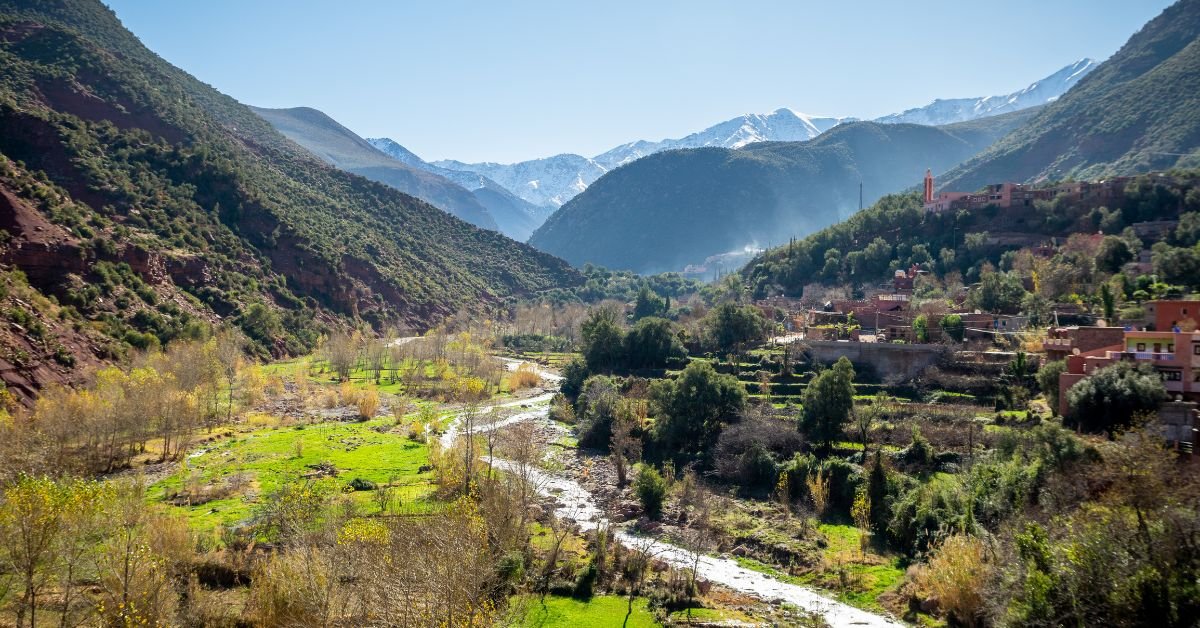
Imagine waking up in a traditional mountain village, surrounded by towering peaks, green valleys, and terraced fields. The morning air is fresh, the sound of a nearby stream fills the valley, and snow may still cover the highest summits in the distance. This is the beauty of Morocco’s Atlas Mountains, a destination that offers a completely different experience from the country’s busy cities and golden desert dunes.
If you are searching for the best travel destinations for your next adventure, the Atlas Mountains deserve a place on your list. Stretching across a large part of Morocco, this mountain region offers spectacular scenery, traditional Amazigh villages, rewarding hiking trails, and opportunities to discover a quieter side of Moroccan life.
Whether you want to climb Mount Toubkal, explore mountain valleys, enjoy local food, or simply escape the city for a few days, the Atlas Mountains offer experiences for different travel styles and fitness levels.
In this guide, you will discover the best places to visit, the most rewarding things to do in the Atlas Mountains, the best time to travel, and practical tips for planning your adventure.
Why the Atlas Mountains Are One of the Best Travel Destinations
Morocco is famous for its historic medinas, Atlantic beaches, and Sahara Desert, but its mountain landscapes offer an entirely different kind of adventure.
The Atlas mountain system includes the High Atlas, Middle Atlas, and Anti-Atlas ranges. Each has its own character, from the high peaks of the High Atlas to the forests and lakes of the Middle Atlas and the drier landscapes of the Anti-Atlas. The High Atlas is home to Mount Toubkal, which the Moroccan National Tourist Office identifies as the highest peak in North Africa, reaching approximately 4,167 meters. Official Morocco tourism guide.
Here are some reasons to explore the region:
- Spectacular mountain scenery: Discover dramatic peaks, deep valleys, rivers, and panoramic viewpoints.
- Hiking and trekking: Choose from gentle village walks to challenging mountain ascents.
- Amazigh culture: Learn about local traditions, food, architecture, and rural life.
- Traditional villages: Visit mountain settlements built into hillsides and valley slopes.
- Outdoor adventures: Enjoy guided hikes, mountain biking, and other activities where available.
- A peaceful atmosphere: Escape busy urban streets and experience a slower pace of life.
The Atlas Mountains are particularly attractive if you want a trip that combines natural beauty, physical activity, and cultural discovery.
Best Places to Visit in the Atlas Mountains, Morocco
1. Imlil: The Gateway to Mount Toubkal
Imlil is one of the best-known starting points for exploring the High Atlas Mountains.
Located south of Marrakech, this mountain village serves as a base for trekking routes and excursions into the surrounding valleys. Its traditional houses, mountain views, and nearby trails make it a popular destination for outdoor enthusiasts.
You can spend a day walking through the surrounding countryside, visit nearby villages, or arrange a longer guided trek.
Imlil is also a convenient place to experience local hospitality. Small guesthouses and traditional accommodations provide opportunities to enjoy Moroccan meals and learn more about mountain life.
If you are planning to climb Mount Toubkal, Imlil is an important starting point for arranging your route, guide, and overnight accommodation. Check current local requirements and mountain conditions before beginning your trek.
2. Mount Toubkal: Climb North Africa’s Highest Peak
Mount Toubkal is the most famous mountain in Morocco and a major attraction for experienced hikers.
Rising approximately 4,167 meters above sea level, it offers spectacular views across the High Atlas. The ascent is physically demanding because of the elevation, uneven terrain, and changing weather conditions.
Many standard itineraries take two or three days, allowing time to reach the mountain huts, continue toward the summit, and return. The exact schedule depends on the route, weather, and your fitness level. The Moroccan National Tourist Office provides information about trekking Mount Toubkal and the wider mountain region.
You do not need to reach the summit to enjoy the area. Lower-altitude hikes offer beautiful scenery and can be more appropriate if you have limited time or less mountain experience.
If you plan to climb, arrange suitable equipment, check current conditions, and consider a qualified local mountain guide. Altitude, snow, ice, and sudden changes in weather can make the ascent considerably more challenging.
3. Ourika Valley: Discover Rivers and Mountain Villages
The Ourika Valley is one of the most accessible mountain areas for visitors staying in Marrakech.
It is known for its river scenery, green landscapes, traditional villages, and views of the surrounding High Atlas.
The valley is especially attractive if you want to experience the mountains without committing to a strenuous multiday trek.
During a visit, you can walk through village areas, enjoy a meal beside the river, and explore local markets or small businesses when available.
Some visitors also arrange guided walks to nearby waterfalls. Trail conditions can vary, so choose a route that matches your ability and follow local guidance.
Ourika Valley is a good option for families, couples, and travelers looking for a scenic day trip from Marrakech.
4. Aït Bouguemez: Explore the Happy Valley
Aït Bouguemez, often called the Happy Valley, is an appealing destination for travelers who want to discover a quieter side of the High Atlas.
The valley is known for its agricultural landscapes, traditional settlements, and dramatic mountain surroundings.
Walking through the area gives you a chance to see terraced fields, orchards, traditional homes, and everyday village life.
Rather than focusing on a single major attraction, Aït Bouguemez rewards travelers who enjoy exploring slowly and appreciating the landscape.
You can arrange guided walks, stay in local guesthouses, and learn about the region’s agricultural traditions and Amazigh heritage.
Because access involves traveling through mountain roads, allow enough time for the journey and check road conditions before departure.
5. Oukaïmeden: Discover the Mountains and Winter Snow
Oukaïmeden is a mountain destination in the High Atlas known for its high-altitude scenery and winter sports opportunities.
During suitable winter conditions, the area can offer a different experience from Morocco’s desert and coastal destinations. Snow may cover parts of the surrounding landscape, and skiing opportunities depend on weather and snow conditions.
Outside winter, the area can also appeal to travelers interested in mountain scenery and excursions at higher elevations.
If you plan to ski or visit during cold weather, check current operating conditions, road access, equipment availability, and local safety advice.
Oukaïmeden is a useful reminder that Morocco’s landscape is more diverse than many visitors expect.
6. Ifrane and the Middle Atlas: Discover Forests and Lakes
The Middle Atlas provides a different mountain experience from the rugged peaks of the High Atlas.
Around Ifrane and the surrounding region, you can discover forests, lakes, cooler mountain air, and landscapes that change considerably with the seasons.
Ifrane is known for its distinctive architecture, green spaces, and access to nearby natural areas.
Travelers can explore local trails, enjoy scenic drives, and visit lakes or forests depending on the chosen route and current conditions.
The wider Middle Atlas is particularly interesting if you want to combine outdoor activities with a road trip through northern or central Morocco.
The official tourism office highlights the region’s forests, lakes, and natural diversity as important attractions.
7. The Anti-Atlas: Experience Rugged Landscapes and Traditional Communities
The Anti-Atlas offers a different atmosphere from the High Atlas.
Its landscapes are generally drier, with rocky mountains, open valleys, and communities adapted to a more arid environment.
This region can appeal to travelers interested in scenic road trips, hiking, traditional architecture, and quieter destinations away from Morocco’s busiest tourist routes.
Depending on your itinerary, you may explore sections of the Anti-Atlas while traveling through southern Morocco.
Plan transportation carefully, especially if you intend to visit remote areas, and arrange local guidance when exploring unfamiliar trails.
Best Things to Do in the Atlas Mountains
1. Go Hiking Through Mountain Trails
Hiking is one of the most rewarding ways to experience the Atlas Mountains.
The region offers routes suited to different levels of experience, from gentle walks through villages and valleys to demanding ascents at high altitude.
A relatively easy walk near Imlil or the Ourika Valley can provide impressive views without requiring specialized mountaineering skills.
More challenging treks may involve steep climbs, rocky terrain, long walking days, and significant changes in weather.
Before choosing a route, consider your fitness, available time, and experience. Wear suitable footwear, carry enough water, and check whether hiring a local guide is advisable.
2. Discover Traditional Amazigh Villages
The Atlas Mountains are home to Amazigh communities with distinctive cultural traditions.
Visiting a village can help you learn about local architecture, farming, regional food, and everyday life in a mountain environment.
Some villages offer guesthouses or guided walks that allow visitors to spend more time in the area.
Approach these experiences respectfully. Ask before photographing people or private homes, follow your host’s guidance, and remember that villages are living communities rather than tourist attractions.
Staying overnight in locally operated accommodation can also give you more time to appreciate the scenery and support businesses within the region.
3. Enjoy Moroccan Food in the Mountains
Food is an important part of discovering mountain culture.
Guesthouses and local restaurants may serve traditional dishes prepared with regional ingredients.
Some dishes and drinks to try include:
- Tagine: A slow-cooked dish made with vegetables, meat, poultry, or other ingredients.
- Couscous: A traditional meal often served with vegetables and meat.
- Amazigh-style bread: Local bread that may be prepared in traditional ways and served with meals.
- Moroccan mint tea: A popular drink associated with hospitality.
- Seasonal produce: Depending on the valley, you may encounter locally grown fruit and vegetables.
Food availability varies between villages and accommodations, so ask your host about local specialties before you arrive.
4. Stay in a Mountain Guesthouse
A mountain guesthouse can make your trip more immersive.
Many accommodations in the Atlas region feature traditional building materials, terraces, and views of the surrounding landscape.
Depending on the location, you may enjoy quiet mornings, traditional meals, and easy access to walking routes.
Before booking, check the property’s accessibility, heating, hot-water facilities, meal arrangements, and recent guest reviews.
Mountain temperatures can drop significantly after sunset, even when the day feels warm. Confirm what bedding and heating are provided, particularly if you travel in winter.
5. Take a Scenic Road Trip
A road trip through the Atlas Mountains provides opportunities to see the changing landscapes from valleys to high mountain passes.
Depending on your route, you may encounter traditional villages, terraced agricultural land, winding mountain roads, and dramatic viewpoints.
Allow time for stops, photographs, and meals instead of trying to cover too much distance in one day.
Mountain roads can be narrow and winding, and conditions may change because of weather or roadworks. Use a reliable vehicle, check local updates, and avoid driving unfamiliar mountain routes after dark when possible.
6. Experience the Mountains in Different Seasons
The Atlas Mountains change significantly throughout the year.
Spring may bring greener valleys and comfortable hiking conditions at lower elevations. Summer can be suitable for many treks, although higher-altitude routes still require preparation. Autumn offers opportunities for walking in cooler weather, while winter may bring snow and additional challenges at higher elevations.
Choosing activities that suit the season can make a substantial difference to your experience.
Best Time to Visit the Atlas Mountains
The best time to visit depends on which part of the mountain range you plan to explore and what you want to do.
Spring (March to May): Spring can be a lovely period for valley walks and village exploration. Conditions vary with elevation, and snow may remain on some high trails.
Summer (June to August): Summer is popular for mountain trekking because many routes are more accessible than during winter. Lower valleys can become hot, so plan walks carefully and carry sufficient water.
Autumn (September to November): Autumn often provides comfortable conditions for hiking at suitable elevations. Days may be pleasant, but nights can become cold.
Winter (December to February): Snow and ice can affect high-altitude trails and mountain roads. Winter activities may be possible in areas such as Oukaïmeden when conditions permit, but suitable clothing and current local advice are essential.
For a first visit focused on village walks and moderate hiking, spring and autumn are often attractive options. For a summit attempt, check route-specific conditions rather than relying only on the season.
How to Get to the Atlas Mountains
Your transport options depend on the part of the Atlas Mountains you want to visit.
From Marrakech
Marrakech is one of the main starting points for trips into the High Atlas.
Imlil and parts of the Ourika Valley are popular choices for day trips or overnight stays. You can arrange a private transfer, hire a vehicle, or join an organized excursion.
Mount Toubkal treks generally require more time than a simple day trip, so plan accommodation and transportation around your chosen itinerary.
From Fes
If you are exploring the Middle Atlas, Fes can be a convenient starting point for traveling toward Ifrane and surrounding mountain areas.
Depending on your route, a road trip can include forests, lakes, and other natural attractions.
For more remote locations, research transportation options in advance and allow additional time for mountain roads.
Should You Choose a Guided Trip?
A guided trip can be particularly useful if you plan to hike, visit remote villages, or explore unfamiliar routes.
A guide can help with route planning, local knowledge, and communication. For demanding high-altitude treks, use a qualified mountain professional and check current local requirements.
Independent travel may offer more flexibility, but it requires careful preparation, especially when access to accommodation, transport, and trail information is limited.
How Many Days Do You Need in the Atlas Mountains?
The ideal length of your visit depends on your route and planned activities.
- One day: Explore an accessible valley such as Ourika or visit the Imlil area for a scenic walk.
- Two days: Spend a night in a mountain guesthouse and explore nearby villages or walking trails.
- Three days: Allow more time for hiking, village visits, and a relaxed mountain itinerary.
- Four to five days: Consider a longer guided trek or a more extensive route through the High Atlas.
- A week or more: Explore several mountain areas, depending on transport, weather, and your hiking experience.
If you want to climb Mount Toubkal, allow time for preparation, the ascent, and the return journey. Do not choose an itinerary that forces you to rush a physically demanding trek.
Practical Travel Tips for Visiting the Atlas Mountains
A little preparation can help you enjoy the mountains more safely and comfortably.
- Pack layers: Conditions can change quickly with elevation, and evenings may be cold.
- Wear proper footwear: Hiking boots or sturdy walking shoes are useful on rocky and uneven trails.
- Carry water and snacks: Some routes have few shops or reliable supply points.
- Check the forecast: Rain, snow, wind, and low temperatures can affect routes and road access.
- Respect local customs: Dress appropriately in villages and ask before photographing people.
- Choose suitable routes: Match the route to your experience and physical fitness.
- Use qualified guides when needed: This is especially important for demanding or unfamiliar mountain routes.
- Plan transportation: Rural services may be limited, so arrange transfers and accommodation beforehand.
- Protect the environment: Take your rubbish with you and stay on appropriate paths.
- Check travel insurance: Confirm that your policy covers the hiking or climbing activities you plan to undertake.
Never assume that a route is safe simply because it appears in a travel guide. Current weather, trail conditions, and local advice should guide your final decision.
Is the Atlas Mountains Worth Visiting in 2026?
The Atlas Mountains are well worth considering if you want to discover a different side of Morocco.
Instead of busy markets or coastal promenades, you can experience dramatic peaks, traditional villages, peaceful valleys, and outdoor adventures.
The region also offers flexibility. You can take a short excursion from Marrakech, stay in a village guesthouse, explore the Middle Atlas by road, or plan a more demanding trek in the High Atlas.
Some activities require physical preparation and careful planning, but you do not need to be an experienced mountaineer to enjoy the mountains. Many visitors can appreciate the region through moderate walks, scenic drives, and cultural experiences.
For travelers who enjoy nature, outdoor activities, and meaningful cultural discovery, the Atlas Mountains are among the best travel destinations to include in a Moroccan itinerary.
Frequently Asked Questions About the Atlas Mountains
Are the Atlas Mountains worth visiting?
Yes. The Atlas Mountains offer varied landscapes, hiking opportunities, traditional Amazigh villages, and access to some of Morocco’s most impressive natural scenery.
What is the best place to visit in the Atlas Mountains?
Imlil and the surrounding High Atlas are excellent choices for hiking and mountain scenery. The Ourika Valley is popular for day trips from Marrakech, while Ifrane and the Middle Atlas are attractive for forests, lakes, and scenic drives.
Can you visit the Atlas Mountains from Marrakech in one day?
Yes. You can visit accessible areas such as parts of the Ourika Valley or Imlil on a day trip. However, climbing Mount Toubkal or undertaking a long trek requires additional time.
How difficult is it to climb Mount Toubkal?
The climb is physically demanding because of the altitude, steep terrain, and changing mountain conditions. Good preparation, suitable equipment, and appropriate local guidance are important.
What should you wear in the Atlas Mountains?
Wear comfortable hiking footwear, layered clothing, and sun protection. Bring warm layers even in summer, particularly if you plan to travel to higher elevations or spend the night in the mountains.
Can beginners hike in the Atlas Mountains?
Yes. Beginners can choose shorter, lower-altitude walks and guided village routes. More demanding trails should be attempted only with suitable fitness, preparation, and guidance.
What is the best time to hike in the Atlas Mountains?
Spring and autumn can be attractive for many valley walks and moderate hikes. Summer is popular for certain high-altitude treks, while winter may bring snow and ice. Always check current route conditions before setting out.
Final Thoughts: Add the Atlas Mountains to Your Travel List
The Atlas Mountains reveal a side of Morocco that many visitors do not expect.
From the village paths around Imlil to the dramatic summit of Mount Toubkal, from the green landscapes of the Ourika Valley to the forests of the Middle Atlas, the region offers countless opportunities for discovery.
You can challenge yourself with a mountain trek, enjoy a traditional meal in a village guesthouse, or simply spend time appreciating the changing scenery.
If you are researching the best travel destinations, consider adding the Atlas Mountains to your Morocco itinerary. Choose a route that suits your interests, prepare for the conditions, and allow enough time to enjoy the journey.