
Rabat, Morocco: One of the Best Travel Destinations for History and Coastal Beauty
Rabat is a city where Morocco’s history, elegant architecture, green…
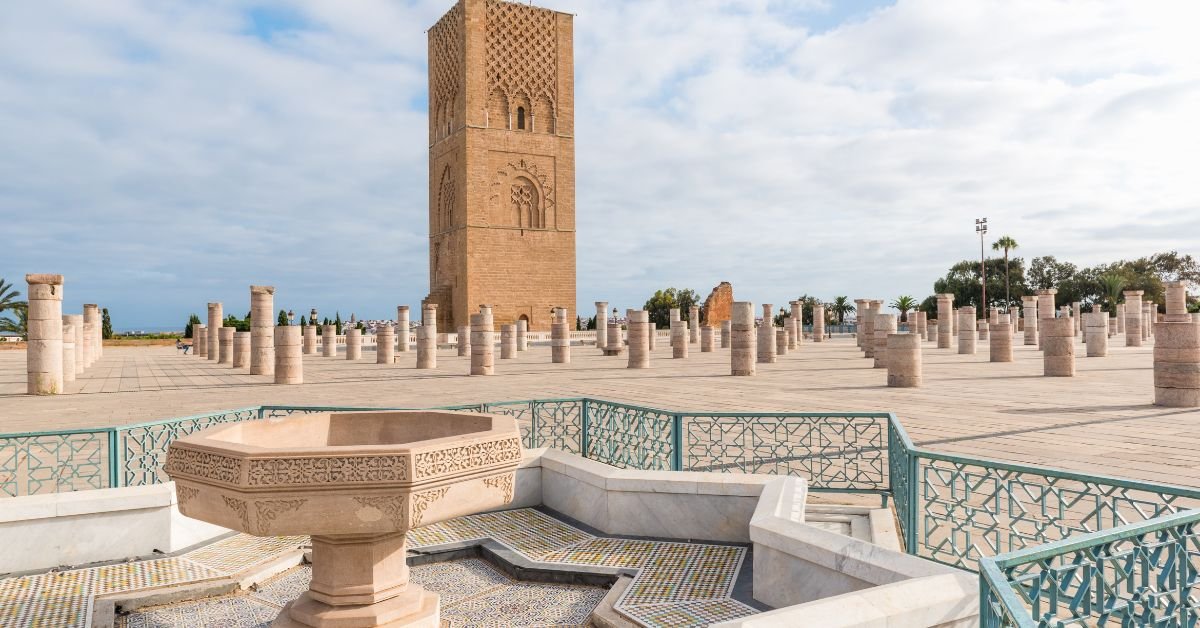
Rabat is a city where Morocco’s history, elegant architecture, green spaces, and Atlantic coastline come together. As the country’s capital, it combines the energy of a modern administrative center with peaceful historic neighborhoods, traditional markets, and beautiful seaside views.
From the impressive Hassan Tower to the narrow streets of the Kasbah of the Udayas, Rabat offers travelers a fascinating mix of culture and relaxation.
If you are looking for the best travel destinations for your next adventure, Rabat deserves a place on your list. It offers a different atmosphere from Morocco’s busier tourist centers, making it an excellent choice for travelers who enjoy history, architecture, gardens, and relaxed city exploration.
Rabat’s cultural importance is also recognized internationally. UNESCO inscribed the city as Rabat, Modern Capital and Historic City: a Shared Heritage in 2012, reflecting the relationship between its historic monuments and modern urban development. UNESCO World Heritage Centre.
Why Rabat Is One of the Best Travel Destinations
Rabat has a special character because it balances historical attractions with a modern city environment.
You can explore medieval fortifications in the morning, visit a museum in the afternoon, and finish the day with a walk beside the Atlantic Ocean.
Here are some reasons to visit:
- Historic landmarks: Discover Hassan Tower, the Kasbah of the Udayas, and Chellah.
- Architectural beauty: Explore buildings that reflect different periods of Moroccan history.
- Coastal scenery: Enjoy beaches, river views, and seaside promenades.
- Green spaces: Visit gardens and parks that provide a break from urban sightseeing.
- Cultural experiences: Explore museums, traditional markets, and local restaurants.
- Relaxed atmosphere: Discover a capital city that offers both city life and quieter historic areas.
Rabat is particularly suitable for travelers who want a cultural city break without planning every day around crowded tourist attractions.
Best Places to Visit in Rabat
1. Hassan Tower: Discover a Monument to Moroccan History
Hassan Tower is one of Rabat’s most recognizable landmarks.
The tower is the unfinished minaret of a historic mosque project begun in the twelfth century. It stands beside a large open esplanade containing rows of stone columns and forming part of one of the city’s most important historic sites.
Its scale and architectural details make it a memorable destination for visitors interested in history and traditional Moroccan design.
The site also offers opportunities for photography, particularly when the light highlights the reddish stonework and surrounding columns.
Allow time to explore the area at a relaxed pace and appreciate the relationship between the tower and the nearby Mohammed V Mausoleum.
2. Mausoleum of Mohammed V: Admire Moroccan Craftsmanship
Located near Hassan Tower, the Mausoleum of Mohammed V is an important monument in Rabat.
The building is known for its carefully designed architecture and decorative details, including marble, carved wood, and traditional Moroccan ornamental work.
It is an excellent place to appreciate the craftsmanship associated with Moroccan religious and royal architecture.
Visitors should follow local rules regarding access, clothing, and behavior. Take time to observe the decorative details rather than rushing through the site.
3. Kasbah of the Udayas: Explore a Historic Coastal Neighborhood
The Kasbah of the Udayas is one of Rabat’s most charming places to visit.
Located near the mouth of the Bouregreg River, this historic fortified neighborhood contains narrow streets, traditional houses, and viewpoints overlooking the water and Atlantic coastline.
Walking through the kasbah offers a quieter experience compared with some of Morocco’s larger medinas. Its architectural character and coastal position make it especially appealing to photographers.
Take your time exploring the small streets and looking for viewpoints around the historic walls.
The Moroccan National Tourist Office identifies the Kasbah of the Udayas as one of the city’s principal cultural attractions.
4. Andalusian Gardens: Enjoy a Peaceful Escape
Close to the Kasbah of the Udayas, the Andalusian Gardens provide a relaxing place to enjoy greenery and traditional garden design.
The gardens offer a pleasant contrast to Rabat’s historic buildings and busy streets. Depending on the season, you may see a variety of plants, shaded paths, and quiet corners for a short break.
They are an excellent addition to a walking route through the kasbah.
Check local visitor information before visiting, especially if you are planning your itinerary around particular opening hours.
5. Chellah: Discover an Archaeological Site
Chellah is one of Rabat’s most interesting historic sites.
The walled archaeological complex contains layers of history associated with earlier settlements and the medieval city. Its ruins, gardens, and historic walls create a distinctive atmosphere that differs from the city’s other landmarks.
Visitors interested in archaeology and history can use the site to explore the many cultures that have contributed to the region’s development.
Because opening arrangements and restoration work can affect access, check current visitor information before including Chellah in your plans.
6. Rabat Medina: Explore Traditional Markets
Rabat’s Medina provides a chance to experience a traditional Moroccan market environment.
Its streets contain shops, food sellers, artisan businesses, and small cafés. You can browse clothing, handicrafts, household goods, and souvenirs while observing the rhythm of everyday city life.
Compared with some larger tourist-focused markets, parts of the medina can feel more connected to local shopping routines.
Allow time to explore and compare prices if you plan to buy anything. A relaxed approach makes it easier to discover small businesses and traditional products.
7. Mohammed VI Museum of Modern and Contemporary Art
If you enjoy modern art, consider visiting the Mohammed VI Museum of Modern and Contemporary Art.
The museum provides an opportunity to discover Moroccan and international artistic work within a contemporary cultural setting.
It adds variety to an itinerary focused on historic landmarks and traditional architecture.
Check current exhibitions, ticket information, and opening hours before visiting, as these details can change.
8. Rabat’s Atlantic Beaches: Enjoy the Coast
Rabat also offers access to Atlantic coastal scenery.
Depending on where you go, you can enjoy seaside walks, views across the water, and time near the beach.
The coast can be appealing if you want to balance museum visits and historical sightseeing with outdoor relaxation.
Swimming conditions vary, so check local beach safety information before entering the water.
Best Things to Do in Rabat
Discover Moroccan Cuisine
Rabat offers many opportunities to enjoy Moroccan food, from traditional restaurants to small cafés and contemporary dining establishments.
Some dishes worth trying include:
- Tagine: A slow-cooked Moroccan dish prepared with meat, vegetables, and aromatic spices.
- Couscous: A traditional dish commonly served with vegetables and meat.
- Harira: A flavorful soup made with tomatoes, lentils, chickpeas, and herbs.
- Pastilla: A pastry traditionally prepared with a sweet and savory filling.
- Moroccan pastries: Sweet treats often enjoyed alongside coffee or mint tea.
- Mint tea: A traditional drink associated with hospitality and social gatherings.
Try different establishments to experience the variety of Moroccan cuisine.
Explore Rabat on Foot
Walking is one of the best ways to discover Rabat’s historic character.
You can plan a route connecting Hassan Tower, the Mohammed V Mausoleum, and the Kasbah of the Udayas, then explore a nearby neighborhood or café.
Some attractions are separated by significant distances, so plan transportation between areas when necessary.
Wear comfortable shoes and allow extra time to appreciate the architecture and surroundings.
Discover Local Art and Culture
Rabat offers cultural attractions beyond its historic monuments.
Depending on your travel dates, you may be able to visit galleries, exhibitions, music venues, or public cultural events.
Check local listings before your trip to find activities that match your interests.
This is particularly useful if you are staying for several days and want to experience a side of the city beyond its best-known landmarks.
Best Time to Visit Rabat
Rabat’s coastal location generally gives it a milder climate than many inland Moroccan destinations, although weather conditions change throughout the year.
Spring (March to May): Spring is often a pleasant season for walking, exploring historic landmarks, and visiting gardens.
Summer (June to August): Summer is popular for outdoor sightseeing and coastal activities. Bring sun protection and check beach conditions before swimming.
Autumn (September to November): Autumn can be a comfortable period for exploring the medina, museums, and historic districts.
Winter (December to February): Winter is generally milder than in many inland areas, but rainy or windy days are possible. Bring a light jacket and check the forecast.
Spring and autumn are attractive options if you want to spend plenty of time outdoors.
How Many Days Do You Need in Rabat?
For many first-time visitors, one to three days is enough to discover the main attractions.
- One day: Visit Hassan Tower, the Mohammed V Mausoleum, and the Kasbah of the Udayas.
- Two days: Add Chellah, the Medina, gardens, and a museum.
- Three days: Explore additional neighborhoods, enjoy the coast, and take time to discover local restaurants and cultural attractions.
If you prefer a relaxed travel pace, staying longer allows you to appreciate the city without rushing between landmarks.
Visiting Casablanca and Rabat on the Same Trip
Casablanca and Rabat can work well together in one Moroccan itinerary.
Casablanca offers a larger metropolitan atmosphere, prominent modern architecture, and a lively Atlantic waterfront. Rabat provides historic monuments, gardens, museums, and a calmer mix of cultural and coastal experiences.
The two cities are approximately 87 kilometers apart by road, according to the Moroccan National Tourist Office, and train connections make travel between them a practical option. Check the latest schedules when planning your journey. Official Casablanca travel guide.
If you have three or four days available, you could spend time exploring Casablanca before continuing to Rabat, or reverse the order depending on your arrival and departure plans.
Practical Travel Tips for Visiting Rabat
A little planning can make your visit more comfortable.
- Plan your sightseeing route: Group attractions that are close together to reduce unnecessary travel.
- Check opening hours: Museums, archaeological sites, and monuments may have different schedules.
- Wear comfortable shoes: Historic areas contain uneven streets and walking routes.
- Carry some cash: Smaller businesses may not accept cards.
- Respect local customs: Follow site rules and ask permission before photographing people.
- Check beach conditions: Follow local safety advice before swimming.
- Use reliable transportation: Research public transport and taxi options before traveling between attractions.
- Check local events: Exhibitions and cultural activities may offer additional experiences during your visit.
Is Rabat Worth Visiting in 2026?
Rabat is an excellent destination for travelers seeking a combination of history, culture, architecture, and coastal scenery.
Its historic sites offer a glimpse into Morocco’s past, while museums, gardens, and modern neighborhoods show how the city continues to evolve.
Rabat may not have the same concentration of major tourist attractions as some larger destinations, but its balance of history and everyday life is part of its appeal.
For travelers who appreciate cultural discovery, urban walks, and a more relaxed pace, Rabat is one of the best travel destinations to consider in Morocco.
Frequently Asked Questions About Rabat
Is Rabat one of the best travel destinations?
Rabat is a strong choice for travelers interested in historical monuments, museums, Moroccan architecture, traditional markets, and Atlantic coastal scenery.
What is Rabat famous for?
Rabat is known for Hassan Tower, the Mohammed V Mausoleum, the Kasbah of the Udayas, Chellah, its historic medina, and its role as Morocco’s capital.
How many days should you spend in Rabat?
One to three days can be enough for a first visit. Two days provide more time to explore historic sites, gardens, museums, and the medina without rushing.
Is Rabat worth visiting from Casablanca?
Yes. Rabat offers a different atmosphere from Casablanca, with historic monuments, gardens, museums, and coastal neighborhoods. The two cities can be combined in a single itinerary.
What is the best time to visit Rabat?
Spring and autumn are often comfortable seasons for walking and sightseeing. Weather varies, so check the forecast before planning outdoor activities.
Can you visit Rabat’s historic attractions on foot?
Several important attractions can be combined in a walking itinerary, particularly around Hassan Tower and the Kasbah of the Udayas. Other sites may require additional transport, depending on where you stay.
Final Thoughts: Add Rabat to Your Travel List
Rabat offers a distinctive combination of historic landmarks, architectural beauty, cultural experiences, and coastal scenery.
You can spend your morning exploring ancient ruins, your afternoon wandering through the Kasbah of the Udayas, and your evening enjoying Moroccan food in a local restaurant.
If you are researching the best travel destinations, consider adding Rabat to your Morocco itinerary. Its mix of history and modern city life makes it a rewarding destination for travelers who want to discover another side of the country.